Bauru Hospitals Face Severe Bed Shortages, Patients Wait Up to Nine Days
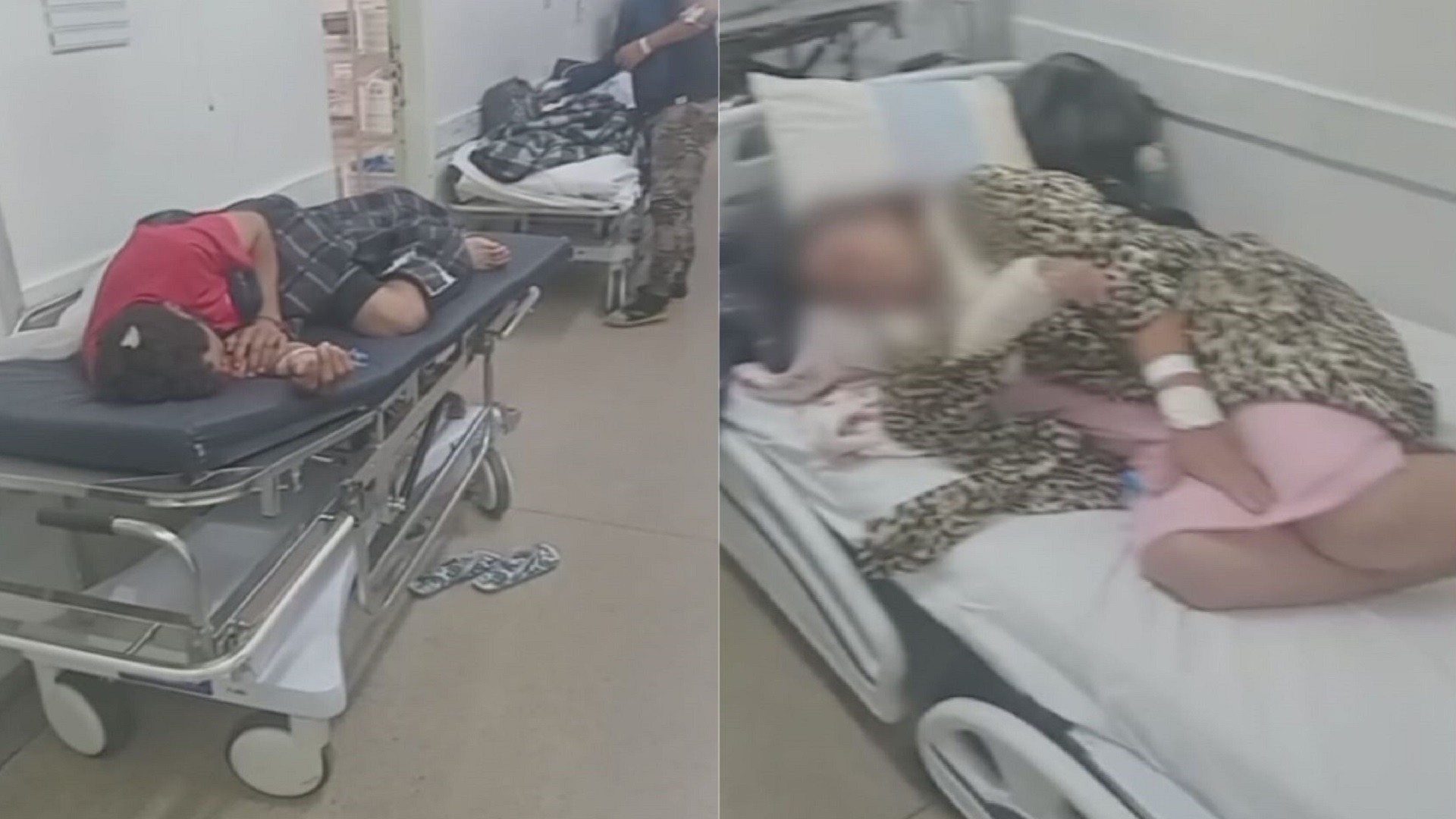
Bauru, Brazil, is experiencing a critical shortage of hospital beds, with at least 77 patients waiting for admission as of Wednesday, November 15th. The longest wait for a bed has reached nine days. These patients are primarily from the Central Emergency Room and several Urgent Care Units (UPAs), awaiting transfer to hospitals. The Regional Health Directorate (DRS-6) attributes the surge in demand to the winter season, which typically sees an increase in respiratory illnesses and falls among the elderly requiring orthopedic care. The Bauru Health Secretariat has been actively urging the State Health Secretariat, responsible for hospital bed allocation, to expedite the process and provide greater transparency regarding bed availability. The DRS-6 is collaborating with the municipality to reduce wait times by improving hospital efficiency and patient discharge processes, including facilitating transfers for patients with social needs to assisted living facilities. Images from Tuesday, November 14th, revealed numerous patients on gurneys occupying hospital corridors, awaiting beds. One patient's son reported his 60-year-old mother had been waiting five days in a corridor for urgent surgery after a fall, highlighting the dire conditions. Following public attention, the patient was reportedly transferred to the orthopedic ward at Bauru Base Hospital on Tuesday.
The situation in Bauru underscores a systemic challenge in public healthcare infrastructure, particularly the disconnect between municipal demand and state-level resource allocation. The seasonal surge in demand, exacerbated by an aging population and specific health crises, highlights the need for more proactive capacity planning and flexible resource management. While inter-governmental collaboration is noted, the prolonged wait times suggest underlying inefficiencies in patient flow, bed management, and discharge protocols. Addressing this requires not only increased bed availability but also integrated care models that streamline transitions of care, particularly for socially vulnerable patients. The reliance on emergency rooms as de facto holding areas points to a bottleneck that impacts both emergency response and elective care, necessitating a review of referral pathways and intermediate care options to optimize the entire healthcare network over the next decade.
AI-generated to prompt reflection — not editorial opinion, not advice, not a statement of fact. How this works.