Bauru Man Arrested for 14th Time After Hiding in Closet Following Home Invasion
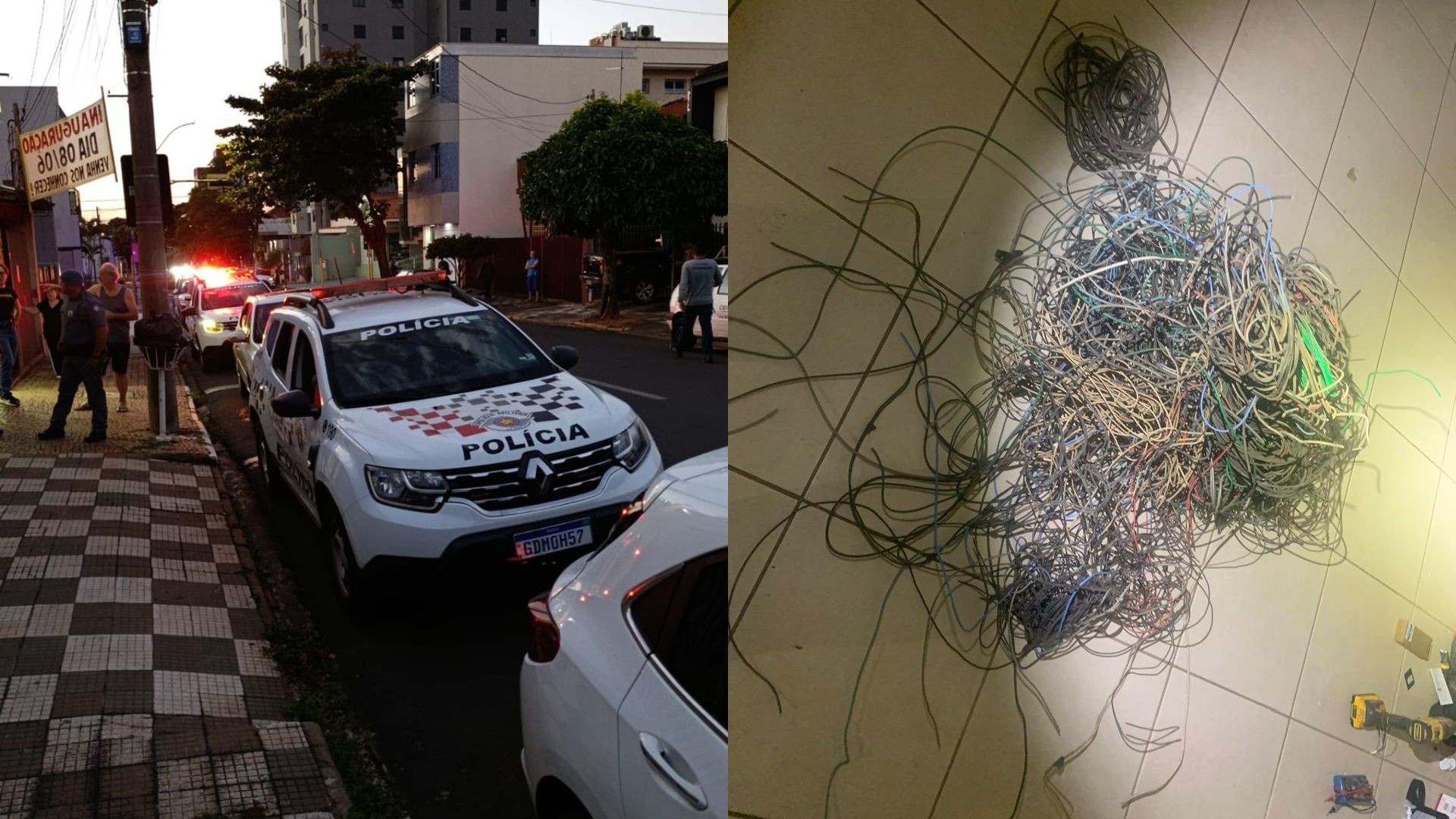
A 40-year-old man was arrested in Bauru, São Paulo, for the 14th time after breaking into a home in the city's central area. Police apprehended him after he attempted to flee across neighboring rooftops and was later found hiding in a closet in a nearby residence. The incident occurred on Tuesday, May 28th. Authorities responded to a reported ongoing theft and caught the suspect as he was leaving the property. He then fled over the roofs of adjacent houses, leading to a two-hour search before his capture. The victim reported that the man had gathered items to steal, including approximately 30 kilograms of electrical wires, a bicycle, two gas cylinders, a camping tent, and kitchen utensils. This marks the suspect's 14th arrest since 2004, with most prior detentions being for theft offenses. The arrest comes amid a surge in thefts in central Bauru, with an average of over 400 reported thefts per month in the first five months of 2024, according to the State Secretariat of Public Security. January alone saw 487 occurrences, the highest since November 2021. This wave of crime has prompted protests from local merchants, who have displayed signs reading "Centro em luto" (Downtown in mourning) to highlight the issue and report significant financial losses. Some business owners are considering relocating or closing their establishments due to the persistent insecurity. In response, military and civil police, with support from social assistance agents, launched an operation in the central region to combat thefts and robberies, focusing on areas with high crime rates and vulnerable populations. Captain Lucas Freitas of the Military Police noted that many offenders are individuals experiencing homelessness, and collaboration with other agencies helps identify wanted persons and provide support to those in vulnerable situations.
This incident highlights a recurring challenge in urban crime management, where repeat offenders, often linked to social vulnerability, continue to engage in theft despite repeated arrests. The high average number of monthly thefts in central Bauru, coupled with merchant protests, indicates a systemic issue that extends beyond individual apprehension. The strategy of involving social assistance agencies suggests an acknowledgment that law enforcement alone may not resolve the root causes of such crime. Future approaches might benefit from a deeper integration of social support systems with public safety initiatives, focusing on long-term rehabilitation and addressing socioeconomic factors that contribute to persistent offending, rather than solely relying on the cycle of arrest and release. This requires a multi-faceted approach that considers the complex interplay of economic hardship, mental health, and housing instability within the urban environment.
AI-generated to prompt reflection — not editorial opinion, not advice, not a statement of fact. How this works.