Bauru Mayor Halts Parking Expansion, Cancels Fines Amid Public Outcry
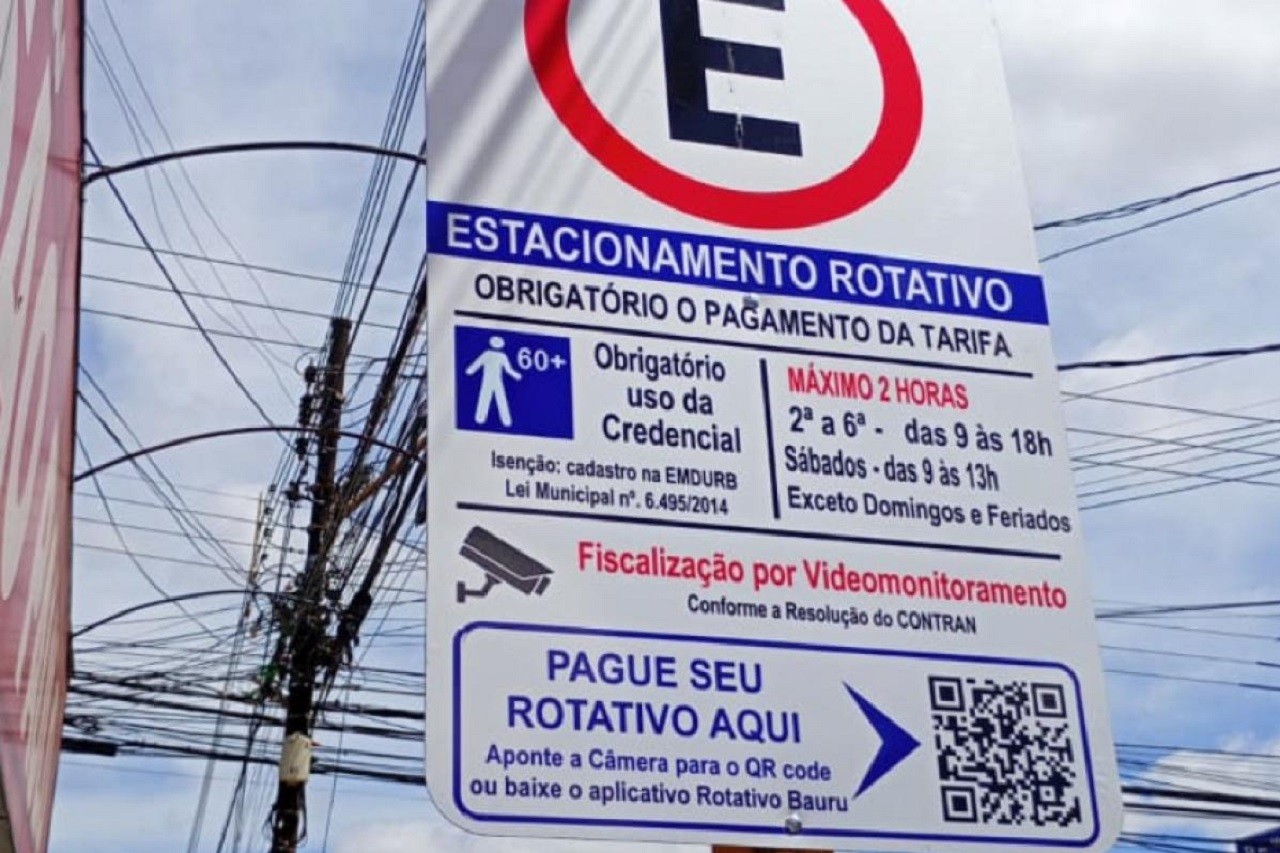
The Bauru City Hall in São Paulo has suspended the expansion of its paid parking zone, known as Zona Azul, following widespread complaints from residents and local businesses. The decision, announced on Thursday, February 2nd, will deactivate approximately 1,400 newly created parking spaces in the central region. Mayor Suéllen Rosim (PSD) acknowledged that the expansion, which increased the total number of spaces from 2,600 to nearly 4,000, was implemented without sufficient study or public consultation. She stated that the municipal company Emdurb erred in expanding the volume without considering the specific needs of different city areas. Consequently, all newly installed signage and 66 parking meters will be removed. A comprehensive study will be conducted to re-evaluate the paid parking system, with the expansion remaining on hold until at least the end of 2026. All fines issued for violations in the recently added parking spots will be automatically canceled, though drivers retain their usual rights to appeal. Enforcement in the original Zona Azul areas will continue using smart camera-equipped vehicles that monitor compliance with payment and parking regulations.
This situation highlights a common governance challenge where rapid implementation of urban infrastructure, such as parking expansion, outpaces public consultation and impact assessment. The city's reversal, driven by citizen complaints, underscores the importance of inclusive urban planning processes. The decision to cancel fines and conduct a thorough study suggests a recognition of procedural shortcomings. Looking ahead, the integration of technology for 'intelligent enforcement' in existing zones, while efficient, must be balanced with transparent data usage and public trust. The extended suspension until 2026 provides an opportunity for a more deliberative approach, potentially incorporating citizen feedback loops to ensure future expansions align with community needs and urban mobility goals, thereby mitigating potential public backlash and fostering sustainable urban development.
AI-generated to prompt reflection — not editorial opinion, not advice, not a statement of fact. How this works.