Bauru Sandwich Earns Official Certification in São Paulo
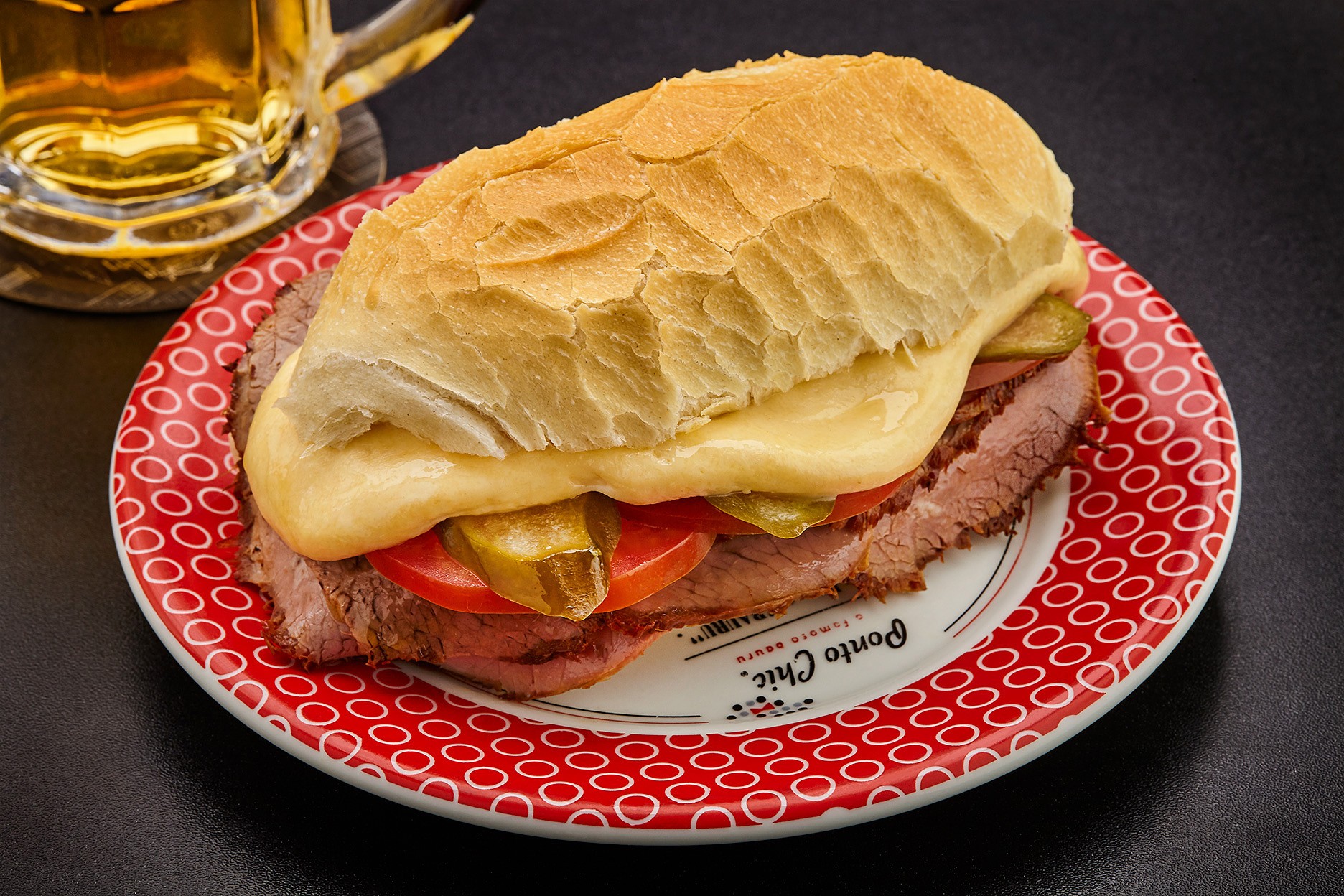
Restaurants and bars in Bauru, São Paulo, can now apply for or renew an official certification for the traditional Bauru sandwich. This iconic sandwich, made with French bread, roast beef, tomato, yellow cheese, and pickles, is recognized as intangible cultural heritage for the state of São Paulo and the city of Bauru. The certification aims to preserve the sandwich's identity, highlight its tradition, and acknowledge businesses that uphold its quality and traditional recipe, as defined by Municipal Law 4.314/1998. To obtain the seal, establishments must commit to maintaining the original recipe, contributing to the promotion of the dish as a cultural asset, and ensuring high product and service quality. They may also be required to participate in events that promote the Bauru sandwich and its role in local tourism. The certification process, managed by the Municipal Tourism Council of Bauru (Comtur) with support from the Secretariat of Economic Development, Tourism and Innovation (Sedecon), involves application, documentation submission, technical visits, and approval. The certification is valid for two years. Currently, Grappa Caffè in Marília and AEAPS in Bauru hold valid certifications, while Empório Santa Therezinha, Empório Santa Emília, and Evento Viva Bauru need to renew theirs. Esquina do Bauru Restaurante Ltda. is currently undergoing the certification process.
This initiative to certify the Bauru sandwich represents a local government's effort to leverage cultural heritage for economic development and brand protection. By establishing a formal certification process, authorities aim to standardize quality, prevent dilution of the original recipe, and create a distinct market advantage for certified establishments. This strategy can foster local pride and attract culinary tourism, but it also necessitates robust oversight to ensure fair competition and prevent bureaucratic hurdles from stifling small businesses. The long-term success will depend on the balance between preserving tradition and allowing for culinary evolution, as well as the effective promotion of the certified status to consumers in an increasingly globalized food market.
AI-generated to prompt reflection — not editorial opinion, not advice, not a statement of fact. How this works.