Bauru Sees First Voter Decline in a Decade, Reflecting National Trends
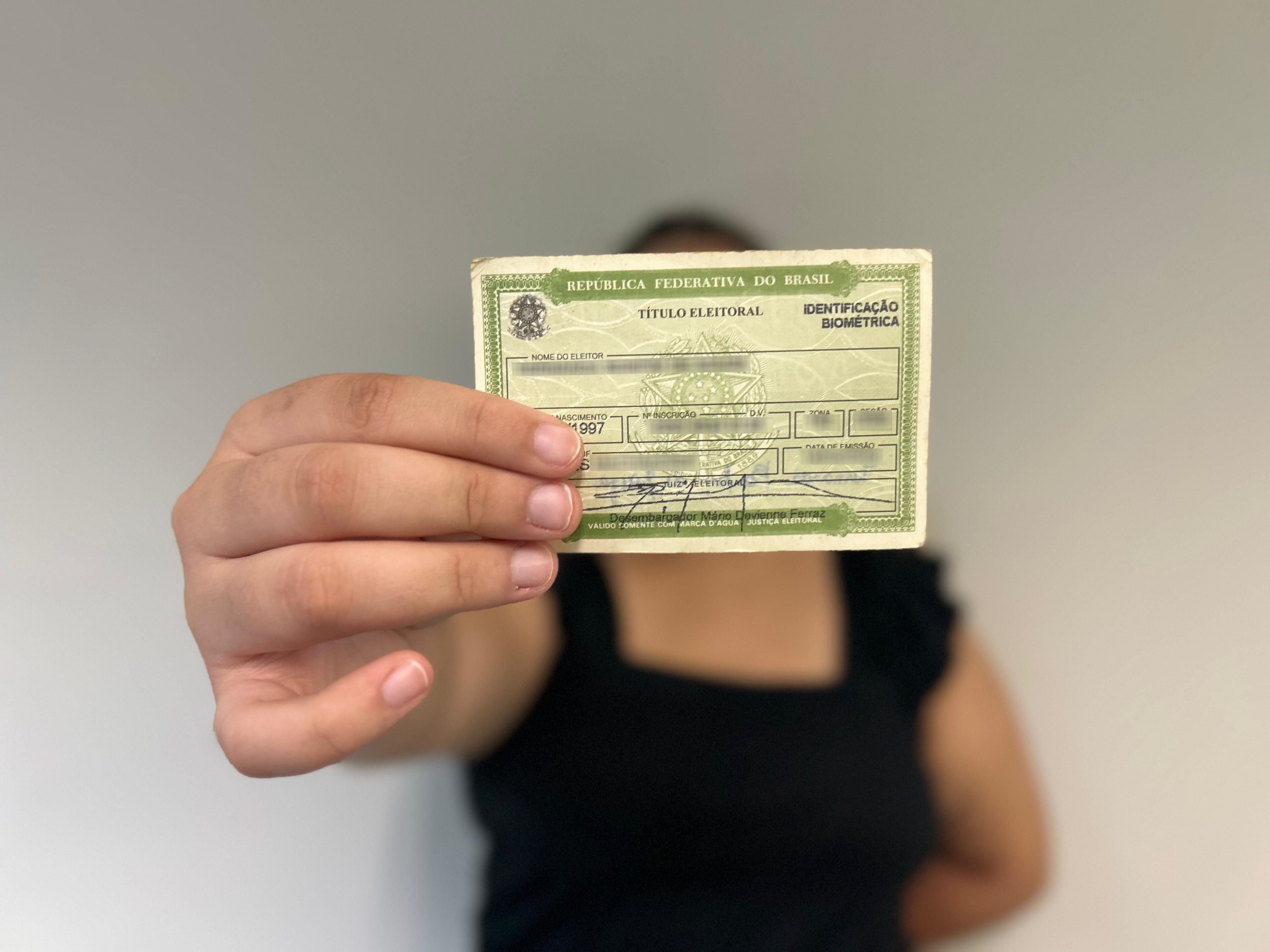
For the first time in ten years, the city of Bauru, São Paulo, has experienced a reduction in its eligible voter population. The Superior Electoral Court (TSE) recently released data indicating that Bauru now has 277,509 voters qualified for the upcoming presidential elections in October. This represents a 0.77% decrease compared to the 2022 presidential elections, when 279,646 voters were eligible. The decline is even more pronounced when compared to the most recent municipal elections, showing a 1.66% drop from 282,186 eligible voters in 2024. This marks a reversal of a decade-long trend of voter population growth in the city. A significant factor contributing to this reduction is the sharp decrease in young voters, particularly 16 and 17-year-olds, whose vote is optional. Their numbers have fallen by 48% since the 2022 presidential election, with only 1,194 eligible in 2026 compared to 2,321 in 2022. This local trend mirrors a national pattern, where the number of voters up to 18 years old has decreased by 14.52% across Brazil. Political science professor Maria Tereza Kerbauy from Unesp and the Federal University of São Carlos suggests this decline, despite a previous expectation of growth, is linked to Brazil's declining birth rate and potentially reflects a disengagement of young people from politics or a lack of supportive public policies. Conversely, the number of voters aged 60 and over has increased by 12.4% in Bauru, reaching 79,440 compared to 70,624 in 2022. Women constitute the majority of Bauru's electorate at 54% (149,722 voters), with the 40-44 age group being the largest segment of female voters.
The reported decline in Bauru's electorate, particularly among young voters, aligns with broader demographic shifts and potential societal trends. A decrease in birth rates nationally is a structural factor influencing the youth population. The optional nature of voting for 16-17 year olds, coupled with a reported 48% drop in this demographic's eligibility, suggests a potential disconnect between younger generations and the political process, possibly influenced by the perceived relevance of current political structures or a lack of targeted civic engagement initiatives. The concurrent rise in older voters, who may hold more conservative views, could significantly shape electoral outcomes. This demographic shift highlights the evolving composition of the electorate and presents a challenge for political actors seeking to engage diverse age groups and address their respective concerns over the next decade.
AI-generated to prompt reflection — not editorial opinion, not advice, not a statement of fact. How this works.
