Bauru Sees Over 100% Surge in Kite-Related Power Outages; Safety Warnings Issued
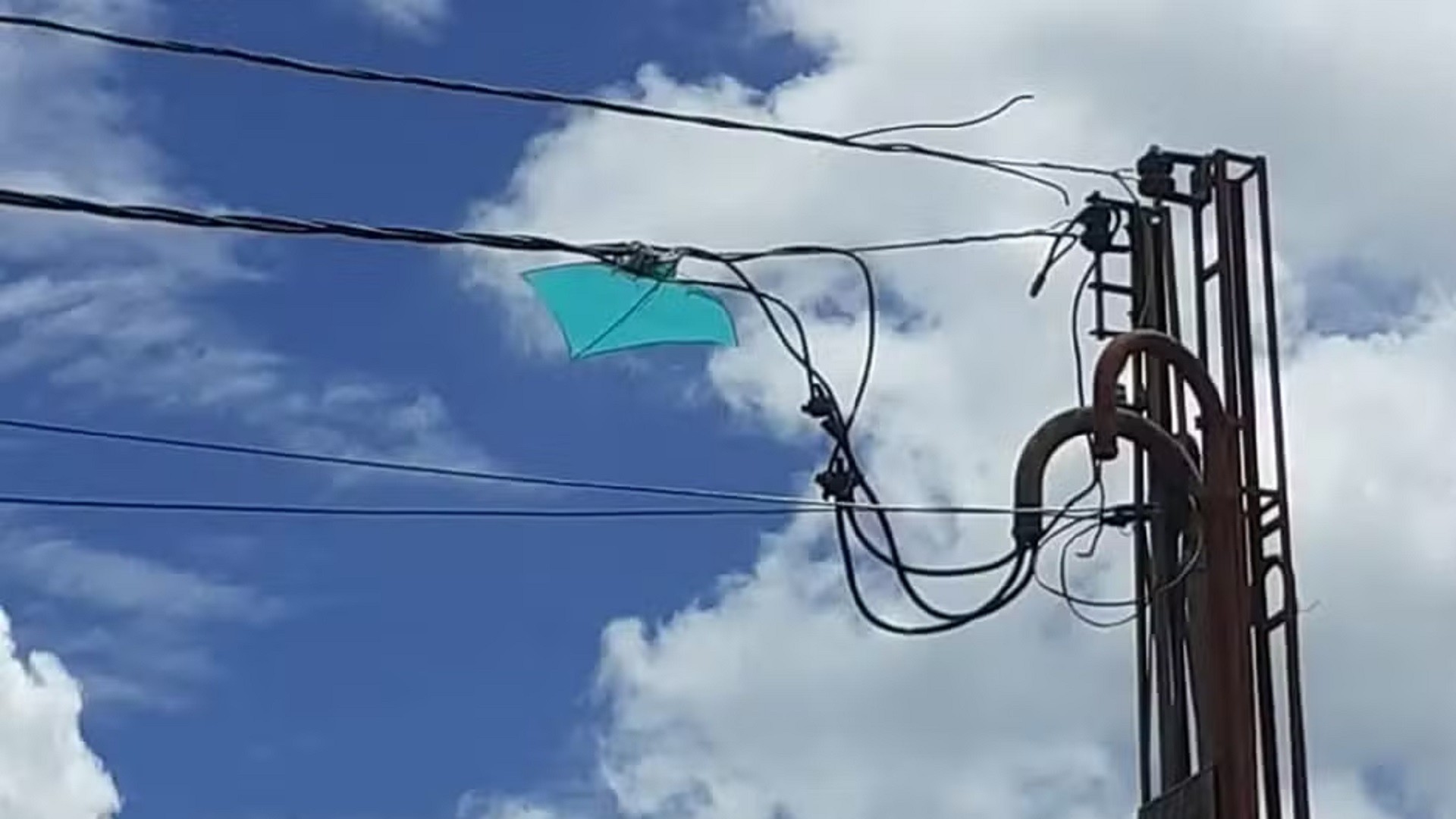
Bauru, São Paulo, has experienced a more than twofold increase in power outages caused by kite string accidents, with 109 incidents reported between January and May of this year, compared to 53 during the same period in 2025. This represents a 105.66% rise, which CPFL Paulista, the energy distributor, attributes primarily to the use of dangerous strings like cerol and chilena. The company anticipates this trend will worsen during school holidays, a period when kite-flying activities typically increase. Across CPFL Paulista's entire service area in São Paulo, kite-related power interruptions saw a 6.5% increase, totaling 1,859 cases from 1,746. Conversely, the city of Marília saw a decrease, with occurrences dropping from 67 to 44.
Carlos Eduardo Camargo, a CPFL Paulista consultant, highlighted that these incidents pose significant risks, including short circuits, widespread blackouts, and electric shock hazards. The use of cerol and chilena lines also endangers pedestrians, cyclists, and motorcyclists. When kite strings contact power lines, they can damage protective fuses, leading to power disruptions that can affect entire neighborhoods or individual properties. Beyond the inconvenience, these outages can disrupt essential services like healthcare facilities and water treatment plants. The energy distributor advises flying kites only in open areas, far from power lines, and strongly discourages attempting to retrieve kites stuck on wires. The use of cerol and chilena is illegal in São Paulo under state law 17.201/2019, with violators facing fines and potential criminal charges.
The significant increase in power outages linked to kite flying in Bauru underscores a persistent public safety challenge where recreational activities intersect with critical infrastructure. While the distributor's warnings and legal prohibitions against hazardous kite strings are necessary, the rise in incidents suggests that awareness campaigns and enforcement mechanisms may require enhancement, particularly during school holidays. The systemic issue involves balancing public access to open spaces with the inherent risks posed by proximity to electrical grids, especially when combined with dangerous materials like cerol. Future strategies could explore designated kite-flying zones, community education programs focusing on the severe consequences of infrastructure damage and personal injury, and potentially leveraging technology to monitor high-risk areas. Addressing this requires a multi-stakeholder approach involving local authorities, energy providers, schools, and community groups to foster a culture of responsible recreation that prioritizes safety and infrastructure integrity.
AI-generated to prompt reflection — not editorial opinion, not advice, not a statement of fact. How this works.