Bauru Traffic Fatalities Surge 44% in First Half of 2026
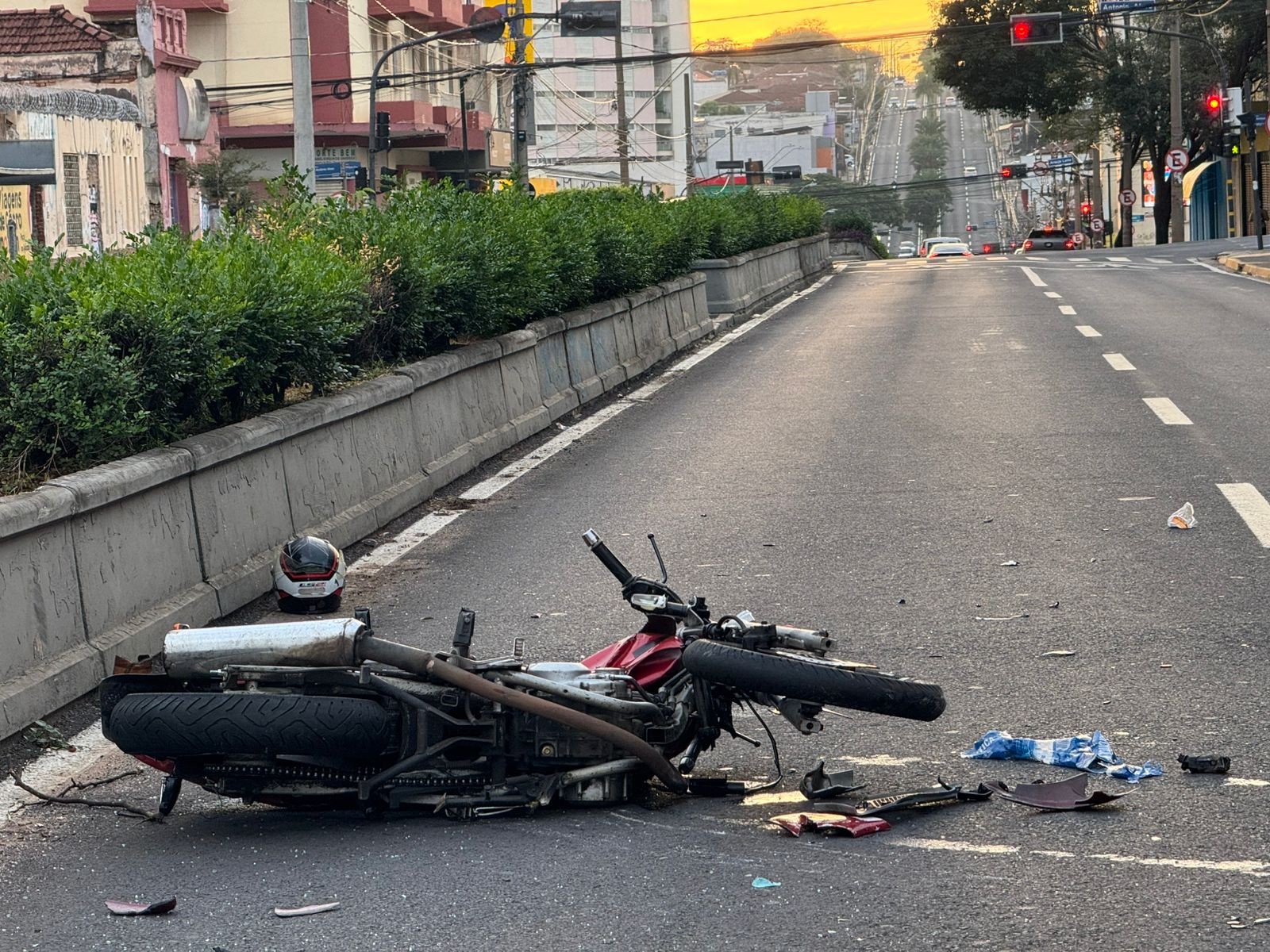
Bauru, São Paulo, has experienced a significant 44% increase in traffic fatalities during the first half of 2026 compared to the same period in 2025. Data from the Municipal Urban and Rural Development Company of Bauru (Emdurb) indicates that 13 people died in traffic accidents within the city between January and June 2026, an increase from the nine fatalities recorded in the first half of 2025. This rise is not an isolated incident but a continuous trend observed since the beginning of the year. Pedestrians represent the majority of victims, with six deaths resulting from pedestrian-vehicle collisions. Additionally, four motorcyclists lost their lives, along with one cyclist, one car driver, and one car passenger. Of the 13 victims, 10 were male and three were female. The age distribution shows five victims between 18 and 30 years old, another five between 46 and 60 years old, and three over 60 years old. A specific area of concern is Avenida Nações Unidas, where the InfoSiga system recorded 45 accidents in the stretch between the Rodovia Marechal Rondon viaduct and the intersection with Avenida Rodrigues Alves during the first six months of 2026. Overall, Bauru registered a total of 1,070 traffic accidents within its urban limits during this period.
The sharp increase in traffic fatalities in Bauru, particularly the disproportionate number of pedestrian and motorcyclist victims, highlights critical urban safety challenges. This trend suggests potential systemic issues in traffic management, infrastructure design, or public adherence to safety regulations. The data from Emdurb and InfoSiga points to specific high-risk zones, such as Avenida Nações Unidas, which may require targeted interventions. Future urban planning and traffic enforcement strategies should consider these patterns to mitigate risks, potentially through improved pedestrian crossings, dedicated motorcycle lanes, and public awareness campaigns focusing on vulnerable road users. Evaluating the effectiveness of recent initiatives like the 'Rua Acalmada' pilot project and the 'Zona Azul' enforcement will be crucial in understanding the broader impact of policy on road safety trends over the next decade.
AI-generated to prompt reflection — not editorial opinion, not advice, not a statement of fact. How this works.