Bavaria Faces Heatwave with Critically Low Water Levels in Starnberger See
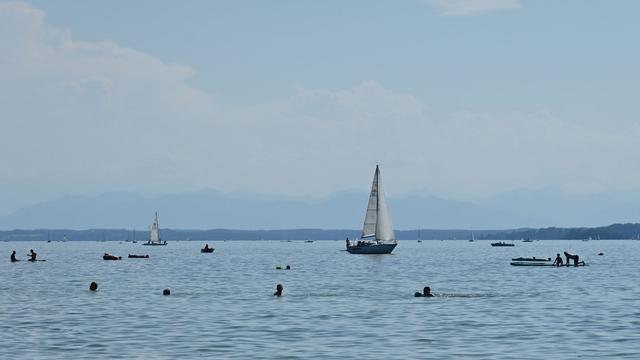
Bavaria is currently experiencing a heatwave, leading to a significant drop in water levels at Starnberger See, one of the region's largest lakes. The reduced water volume is a direct consequence of the prolonged high temperatures and lack of rainfall. This situation poses challenges for local ecosystems, water management, and potentially recreational activities around the lake. Authorities are monitoring the situation closely, assessing the impact on aquatic life and the overall water balance of the region. The low water levels also highlight the vulnerability of freshwater resources to extreme weather events. The current heatwave, characterized by consistently high temperatures, is exacerbating the existing water scarcity. Further updates on the water levels and potential mitigation strategies are expected as the heatwave continues. The condition of Starnberger See serves as an indicator of broader environmental stress in Bavaria due to changing climatic conditions.
The current heatwave and its impact on Starnberger See's water levels underscore the increasing susceptibility of European freshwater bodies to climate change-induced droughts. This event highlights a systemic challenge in water resource management, where infrastructure and planning may not adequately account for the amplified frequency and intensity of extreme weather phenomena. Future resilience will likely depend on integrated strategies that include water conservation measures, efficient allocation protocols, and potentially investments in water storage or desalination technologies, balanced against environmental sustainability goals. The situation prompts consideration of how regional governance frameworks can adapt to ensure long-term water security amidst a volatile climate.
AI-generated to prompt reflection — not editorial opinion, not advice, not a statement of fact. How this works.
