Bavaria Unveils Museum Reform Plans
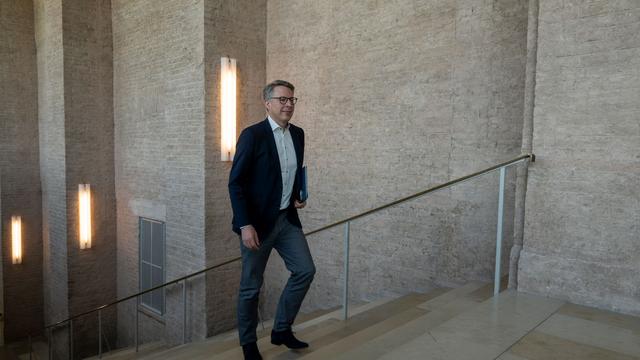
The Bavarian state government has presented its comprehensive plans for a significant museum reform. This initiative aims to modernize and restructure the museum landscape across the German state. Key objectives include enhancing accessibility, improving visitor experiences, and ensuring the long-term preservation and presentation of cultural heritage. The reform will likely involve changes to funding models, exhibition strategies, and digital engagement. Specific details regarding the implementation timeline and the exact scope of changes are expected to be released soon. The government has stated its commitment to fostering a dynamic and relevant museum sector that serves both local communities and international visitors. This reform is seen as a crucial step in adapting Bavaria's cultural institutions to contemporary challenges and opportunities. Further announcements are anticipated as the reform process unfolds.
Bavaria's proposed museum reform signals a strategic effort to adapt its cultural institutions to evolving societal expectations and technological advancements. The initiative reflects a broader trend of public institutions seeking to optimize resource allocation and enhance public engagement in the digital age. By focusing on modernization and accessibility, the reform aims to ensure the continued relevance and financial sustainability of Bavaria's museums. The success of this reform will likely hinge on effective stakeholder collaboration, innovative funding mechanisms, and the ability to leverage digital technologies to broaden reach and deepen audience connection. This proactive approach positions Bavaria to potentially set a benchmark for cultural heritage management in the coming decade.
AI-generated to prompt reflection — not editorial opinion, not advice, not a statement of fact. How this works.