Bavaria Ushers in New Era for Nazi-Looted Art Research
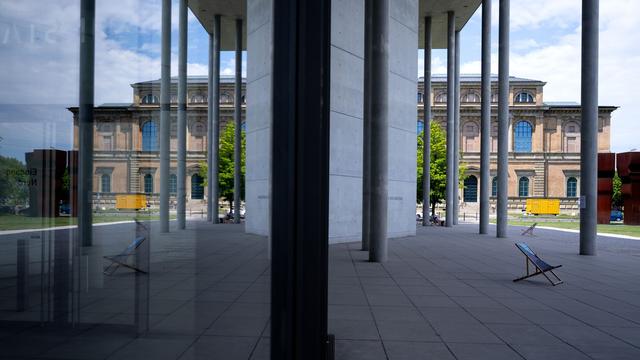
Bavaria is embarking on a new phase in the research of Nazi-looted art, signaling a renewed commitment to provenance research and restitution efforts. The state aims to intensify its investigations into artworks that were confiscated or sold under duress during the Nazi era. This initiative is expected to bring greater transparency and accelerate the process of identifying and returning these cultural assets to their rightful owners or heirs.
The renewed focus on Nazi-looted art research in Bavaria reflects a broader, ongoing societal reckoning with the past and the enduring impact of Nazi persecution. By dedicating new resources and potentially adopting updated methodologies, the state hopes to address long-standing historical injustices. This effort is crucial for cultural institutions and private collectors alike, as it seeks to clarify the ownership history of numerous valuable pieces and foster a more ethical approach to art ownership.
This initiative represents a significant step in addressing the complex legacy of Nazi-loooted art. By prioritizing provenance research, Bavaria acknowledges the imperative to rectify historical wrongs and uphold ethical standards in the art world. The success of this new era will hinge on robust methodologies, inter-institutional cooperation, and sustained funding. Future challenges may include navigating intricate legal frameworks for restitution and ensuring equitable outcomes for claimants, particularly as generational knowledge of these cases diminishes. This focus on historical accountability aligns with global trends toward greater transparency and ethical governance in cultural heritage management.
AI-generated to prompt reflection — not editorial opinion, not advice, not a statement of fact. How this works.