Bavarian Police Law Under Scrutiny in Karlsruhe Over Detention and Hand Grenades
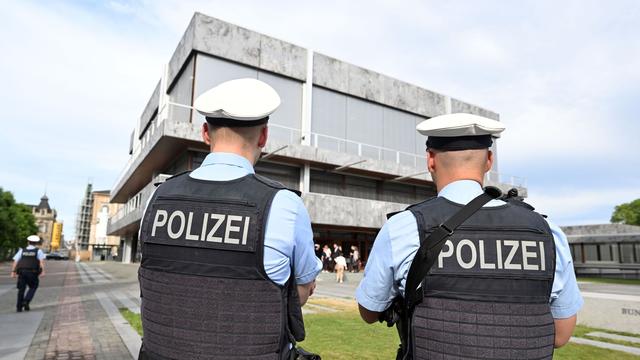
The Bavarian State Parliament's new police law is facing a legal challenge at the Federal Constitutional Court in Karlsruhe. The law, which came into effect on February 1, 2018, introduces several controversial measures, including the possibility of pre-emptive detention for individuals deemed a potential threat. Critics argue that this provision, along with others such as the expanded use of surveillance technology and the carrying of hand grenades by police officers, infringes upon fundamental civil liberties and the right to personal freedom guaranteed by the German Basic Law.
The Bavarian government maintains that the law is necessary to effectively combat terrorism and organized crime, citing the need for enhanced security capabilities in the face of modern threats. They assert that the measures are proportionate and subject to judicial oversight. However, the plaintiffs, a coalition of civil rights groups and individuals, contend that the law creates a "state of perpetual suspicion" and grants excessive power to the authorities, potentially leading to abuse and the erosion of democratic principles. The court's decision is expected to have significant implications for policing powers and civil rights across Germany.
The legal challenge to Bavaria's police law highlights a recurring tension between state security imperatives and individual liberties in democratic societies. The introduction of pre-emptive detention and expanded surveillance powers, while framed as necessary responses to contemporary security threats, raises fundamental questions about the balance of power between the state and its citizens. The core issue revolves around the potential for such measures to shift from targeted interventions to broad, suspicion-based controls, impacting the presumption of innocence. Future legal frameworks will likely grapple with defining clear boundaries for preventative actions, ensuring robust judicial oversight, and safeguarding against potential overreach, especially as technological capabilities for monitoring and data analysis continue to advance. The long-term societal impact hinges on maintaining public trust through transparent governance and adherence to constitutional principles.
AI-generated to prompt reflection — not editorial opinion, not advice, not a statement of fact. How this works.