Bayreuth Festival's AI "Rheingold" Sparks Mixed Reactions on 150th Anniversary
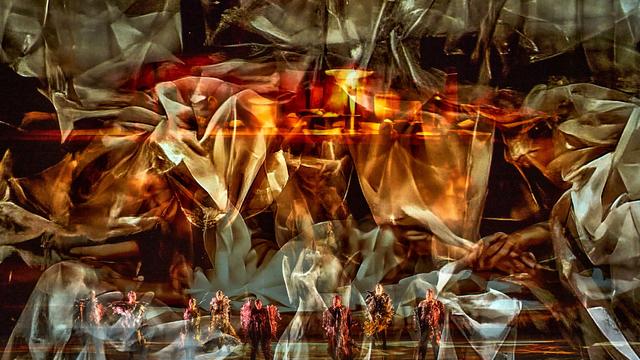
The Bayreuth Festival is celebrating its 150th anniversary with a production of "Das Rheingold" that incorporates artificial intelligence. This innovative approach has generated a range of responses from attendees and critics alike. The use of AI in such a landmark production marks a significant moment for the festival, which has a long history of artistic experimentation.
While some have praised the integration of AI as a forward-thinking step that pushes the boundaries of operatic performance, others have expressed reservations. Concerns range from the potential impact on traditional artistic interpretation to the ethical implications of using AI in a cultural heritage context. The mixed reception highlights the ongoing debate surrounding the role of technology in the arts and its place within established traditions.
The integration of artificial intelligence into the 150th anniversary production of "Das Rheingold" at the Bayreuth Festival presents a complex interplay between technological advancement and artistic tradition. This initiative reflects a broader trend across industries, including the arts, to explore AI's capabilities for enhancing or transforming creative outputs. The mixed reactions underscore a fundamental tension: the desire to innovate and engage with new technologies versus the imperative to preserve the integrity and historical essence of established cultural works. Future artistic endeavors will likely navigate this dichotomy, seeking a balance that leverages AI's potential without diminishing the human element or the cultural significance of classical art forms. This event serves as a case study in how cultural institutions can approach technological integration, prompting discussions on authorship, interpretation, and the evolving definition of artistic creation in the digital age.
AI-generated to prompt reflection — not editorial opinion, not advice, not a statement of fact. How this works.