Bayreuth: Germany's City of Music Beyond Wagner
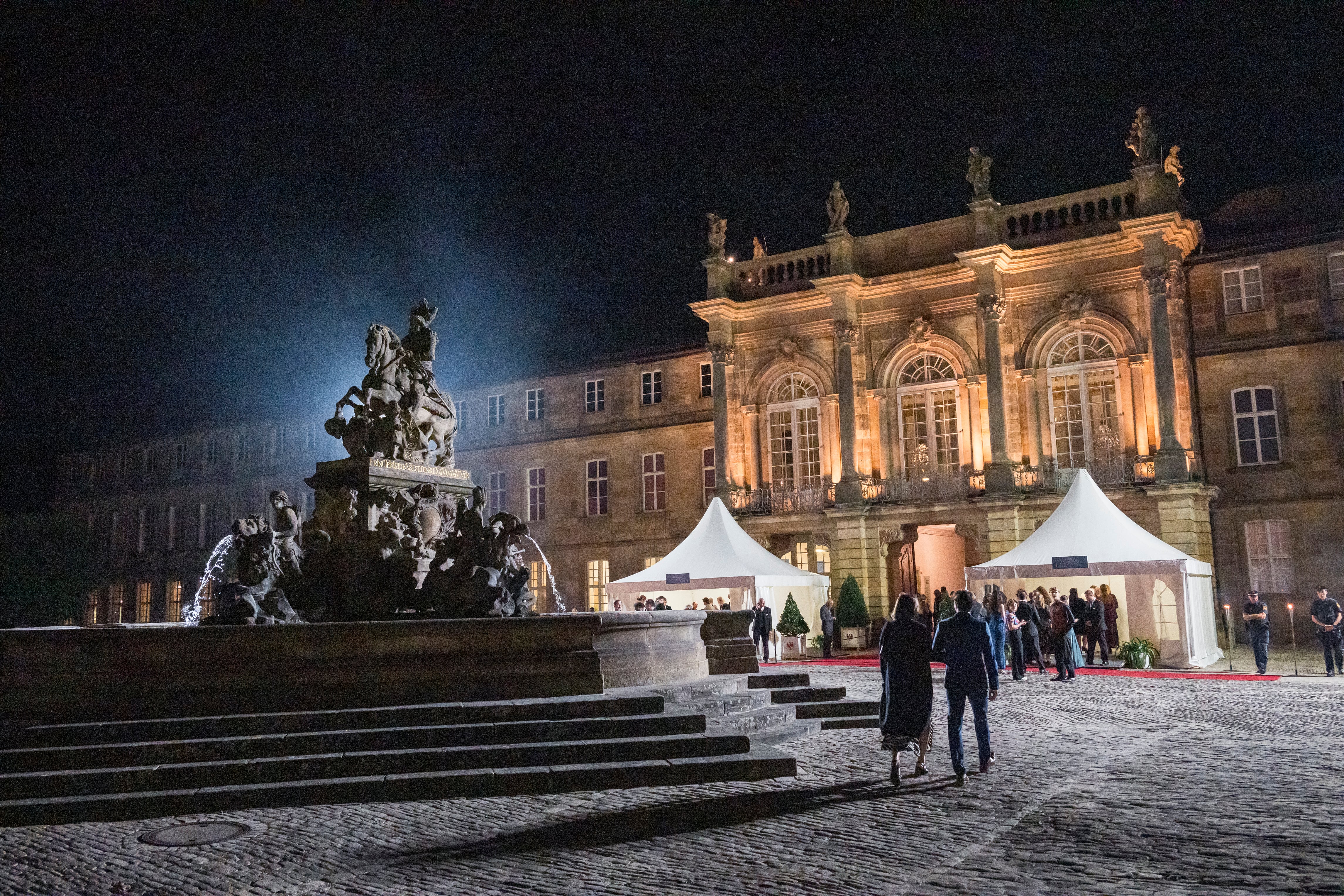
This summer marks the 150th anniversary of the Bayreuth Festival, a significant cultural event that extends its stages throughout the Bavarian city. The festival's milestone provides a compelling reason to visit Bayreuth, a city renowned for its deep connection to Richard Wagner's music. Beyond the Wagner Festival, visitors can explore other significant cultural landmarks. Among these is the UNESCO World Heritage site, the Margravial Opera House, celebrated for its Baroque architecture and historical importance. Additionally, the New Palace (Neues Schloss) offers a glimpse into the region's royal past and architectural grandeur. Bayreuth's cultural offerings extend beyond the opera, encompassing historical sites and architectural marvels, making it a multifaceted destination for tourists interested in music, history, and heritage.
The 150th anniversary of the Bayreuth Festival highlights the enduring appeal of classical music festivals and their role in shaping a city's identity and economy. While the festival is intrinsically linked to Wagner, its expansion across the city and the recognition of other sites like the Margravial Opera House suggest a strategic effort to diversify its cultural appeal and tourism base. This approach acknowledges the evolving dynamics of cultural tourism, where audiences seek broader experiences beyond a single artist or genre. The city's success in leveraging its heritage for tourism demonstrates the long-term economic benefits of investing in cultural infrastructure and programming. Looking ahead, Bayreuth's ability to integrate its historical legacy with contemporary cultural trends will be key to maintaining its relevance and attracting future generations of visitors in an increasingly competitive global tourism market.
AI-generated to prompt reflection — not editorial opinion, not advice, not a statement of fact. How this works.