BBC Analysis: Did Refreshment Breaks Lead to More Goals?
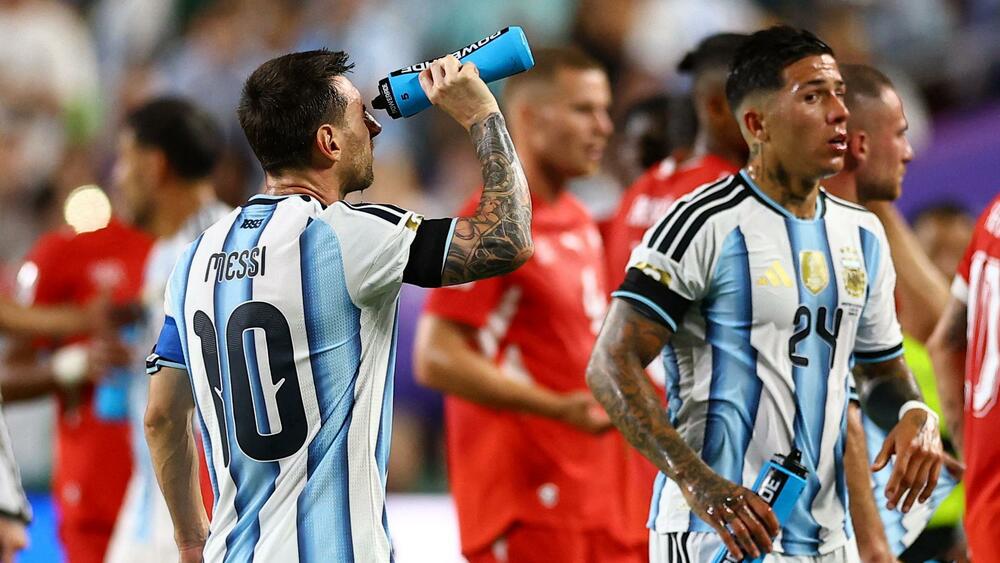
The BBC is analyzing the impact of mandatory three-minute "refreshment breaks" introduced during the World Cup. These breaks occurred midway through each half of all matches. The primary purpose of these intervals was to help players cope with the extreme heat and high humidity conditions present in Canada, Mexico, and the United States, the host countries for the tournament. The analysis aims to determine if these strategic pauses in play contributed to an increase in the number of goals scored during the competition. By allowing players a brief respite, the breaks may have helped maintain their physical condition and performance levels throughout the demanding matches.
The introduction of mandatory refreshment breaks during the World Cup, ostensibly to mitigate the effects of adverse weather conditions, presents an interesting case study in sports governance and performance optimization. While the stated intention is player welfare, such interventions can also influence game dynamics, potentially affecting player fatigue, tactical adjustments, and ultimately, scoring rates. Future analysis could explore the correlation between these breaks and other performance metrics, such as possession, fouls, or the number of substitutions. Understanding these systemic effects is crucial for designing future sporting events to balance athlete well-being with competitive integrity and spectator engagement, particularly as global climate patterns shift.
AI-generated to prompt reflection — not editorial opinion, not advice, not a statement of fact. How this works.