BBC Reporter's Visit to Iran's Hormuz Strait and Bandar Abbas Reveals Post-Conflict Scene
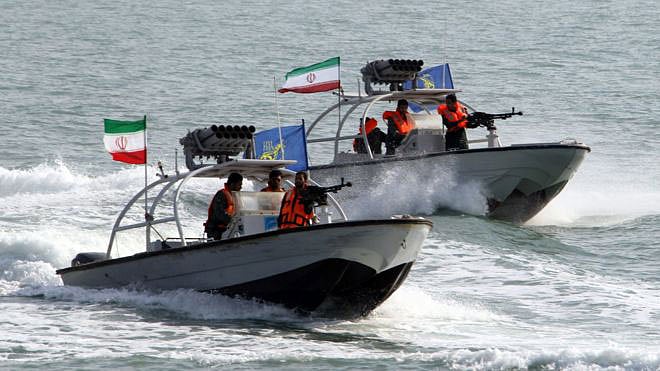
A BBC reporter's recent visit to Iran's Bandar Abbas, situated on the strategically vital Hormuz Strait, offered a glimpse into the region's recovery following recent escalations with the United States and Israel. Initially appearing as a typical fishing port, the area is a crucial maritime route, often at the center of geopolitical tensions. Following attacks by the US and Israel on February 28th and Iran's retaliatory actions, the Strait became effectively paralyzed as the Islamic Revolutionary Guard Corps (IRGC) began firing on commercial vessels. This disruption led to a surge in global oil prices and a dangerous environment for local fishermen, many of whom temporarily ceased operations. The US responded by imposing a naval blockade on Iranian ports. However, a recent ceasefire agreement has led to the partial reopening of the Strait and a gradual return of fishermen to their livelihoods. The reporter observed two container ships, seized by the IRGC in April for alleged navigational violations, still held despite the ceasefire. Dozens more ships were anchored offshore, awaiting Iranian authorization to pass. The historical significance of the area, once a Portuguese stronghold, is evident in the old fort on Hormuz Island, underscoring centuries of control struggles over the Strait. Bandar Abbas remains a critical hub for Iran's navy and IRGC, handling approximately one-fifth of the world's oil and gas supply. Despite threats from former US President Donald Trump, the Strait has not been fully reopened, suggesting its continued use as a strategic bargaining chip in ongoing negotiations. While signs of normalcy, such as reopening shops and increased traffic, are emerging, the scars of conflict remain. A residential building in Khoshnudi Street, damaged by an Israeli attack on March 26th, stands as a stark reminder, with three residents, including a military officer's family, killed. The attack reportedly targeted IRGC naval commander Ali Reza Tangsiri. The mayor of Bandar Abbas, however, disputes claims of Iranian weakness, asserting that neither the US nor Israel achieved their military objectives, and that the appointment of Mojtaba Khamenei as the next supreme leader has unified the nation. He warned that Iran would fully close the Strait if the ceasefire collapses. Many locals remained hesitant to speak to the press, expressing distrust in media portrayals of Iran.
The BBC's report from Bandar Abbas provides a ground-level perspective on the impact of geopolitical conflict and subsequent de-escalation efforts. It highlights how strategic waterways like the Hormuz Strait become focal points for international power dynamics, influencing global markets and local economies. The narrative illustrates the complex interplay between military posturing, economic sanctions, and the human cost experienced by civilian populations and workers, such as fishermen. The presence of seized vessels and damaged infrastructure underscores the tangible consequences of state-level disputes. The analysis suggests that while official agreements may be in place, the underlying strategic leverage, particularly Iran's control over the Strait, continues to shape negotiations and regional stability. The report implicitly questions the effectiveness of military actions in achieving stated objectives, as suggested by the mayor's comments, while also noting the resilience and potential for unified national sentiment in the face of external pressure. The reluctance of some locals to speak publicly indicates a potential disconnect between official narratives and public sentiment, possibly influenced by information control or past experiences with media representation.
AI-generated to prompt reflection — not editorial opinion, not advice, not a statement of fact. How this works.