BBC Reports on Strait of Hormuz: Seized Ships and Shark Fishermen Amidst Uneasy Calm
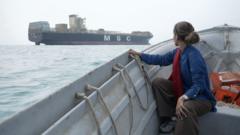
The BBC has visited Bandar Abbas, a port city in Iran, to observe the impact of escalating tensions between the US and Iran on the lives of its residents. The report highlights the presence of seized ships and shark fishermen, indicating a return to an uneasy calm in the Strait of Hormuz. This visit aims to understand how the ongoing conflict, characterized by the "US-Israeli war with Iran," is affecting the daily routines and livelihoods of people in the region. The presence of both seized vessels and active fishing operations suggests a complex reality on the ground, where economic activities continue amidst heightened geopolitical risks. The BBC's findings offer a glimpse into the human dimension of the conflict, illustrating the resilience and adaptation of communities living in a strategically vital and volatile waterway.
The BBC's report from Bandar Abbas offers a ground-level perspective on the geopolitical tensions in the Strait of Hormuz, contrasting the strategic conflict with the persistence of local economic activities like fishing. This juxtaposition underscores the complex interplay between international conflict and the daily lives of communities. The presence of seized ships alongside active fishing operations suggests that while maritime trade routes may be subject to disruption and state-level actions, the underlying economic drivers and resource utilization continue. Future analyses should consider how international sanctions and military posturing in such critical chokepoints influence local economies and the long-term sustainability of traditional livelihoods, particularly in the context of evolving global trade dynamics and energy security.
AI-generated to prompt reflection — not editorial opinion, not advice, not a statement of fact. How this works.