BBC Visits Iranian Port to Assess Impact of US-Israel-Iran Tensions
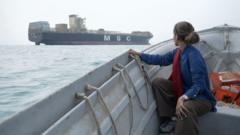
The BBC visited the port city of Bandar Abbas, Iran, to investigate how the ongoing conflict between the United States, Israel, and Iran is affecting the daily lives of its residents. The report specifically focuses on the situation near the Strait of Hormuz, a critical chokepoint for global oil trade. The BBC's visit aimed to understand the local impact of regional geopolitical tensions, which have created a climate of uncertainty and potential disruption.
The report also touched upon the circumstances surrounding the detention of a ship and shark fishermen in the vicinity. This incident highlights the heightened security concerns and the potential for unintended consequences in the strategically vital Strait of Hormuz. The BBC's presence in the area sought to provide an on-the-ground perspective on how these international conflicts translate into tangible effects on local communities and maritime activities.
The BBC's report from Bandar Abbas offers a ground-level perspective on the ripple effects of geopolitical tensions in the Strait of Hormuz. By focusing on the daily lives of residents and the specific incident involving a detained vessel, the report implicitly highlights the vulnerability of local economies to international conflicts. This situation underscores the complex interplay between global power dynamics, regional security, and the livelihoods of ordinary citizens. The analysis of such events prompts consideration of how international disputes, particularly those involving critical trade routes, can lead to unintended consequences and increased systemic risk for maritime commerce and coastal communities. Future strategies may need to better account for these localized impacts to foster greater stability.
AI-generated to prompt reflection — not editorial opinion, not advice, not a statement of fact. How this works.