Beaches Face Closure as Swimming Season Enters 'Winter' Era
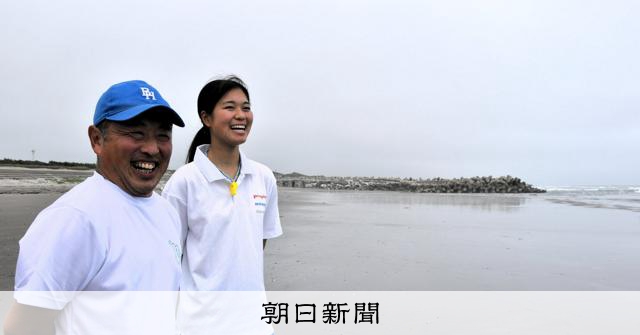
Japan's historic beaches are facing closure as the traditional summer swimming season is being described as entering a 'winter' era. This shift reflects deep concerns about the changing relationship between people and the sea. The article highlights the sentiments of individuals whose lives are intertwined with the ocean, as they grapple with these unprecedented changes. The closure of long-standing beaches signifies a significant cultural and economic impact, affecting local communities and industries reliant on marine tourism. The underlying reasons for this phenomenon are not explicitly detailed in the provided text but are implied to be substantial enough to cause such a drastic decline in beach usage. The article aims to capture the emotional and personal perspectives of those most affected by this evolving situation. It underscores the profound connection people have with the sea and the challenges they face as this connection is tested. The future of coastal communities and their traditional ways of life is now uncertain.
The described shift in beach usage and potential closures suggest a significant re-evaluation of coastal resource management and public access is underway. This phenomenon may reflect evolving climate patterns, changing public health advisories, or shifts in recreational preferences driven by broader societal trends. Examining the economic and social infrastructure supporting traditional beach activities will be crucial for understanding long-term sustainability. Future policy decisions will likely need to balance historical use with emerging environmental realities and evolving community needs, potentially leading to innovative approaches for coastal engagement.
AI-generated to prompt reflection — not editorial opinion, not advice, not a statement of fact. How this works.