Bear Electrocuted After Climbing Utility Pole in New Mexico
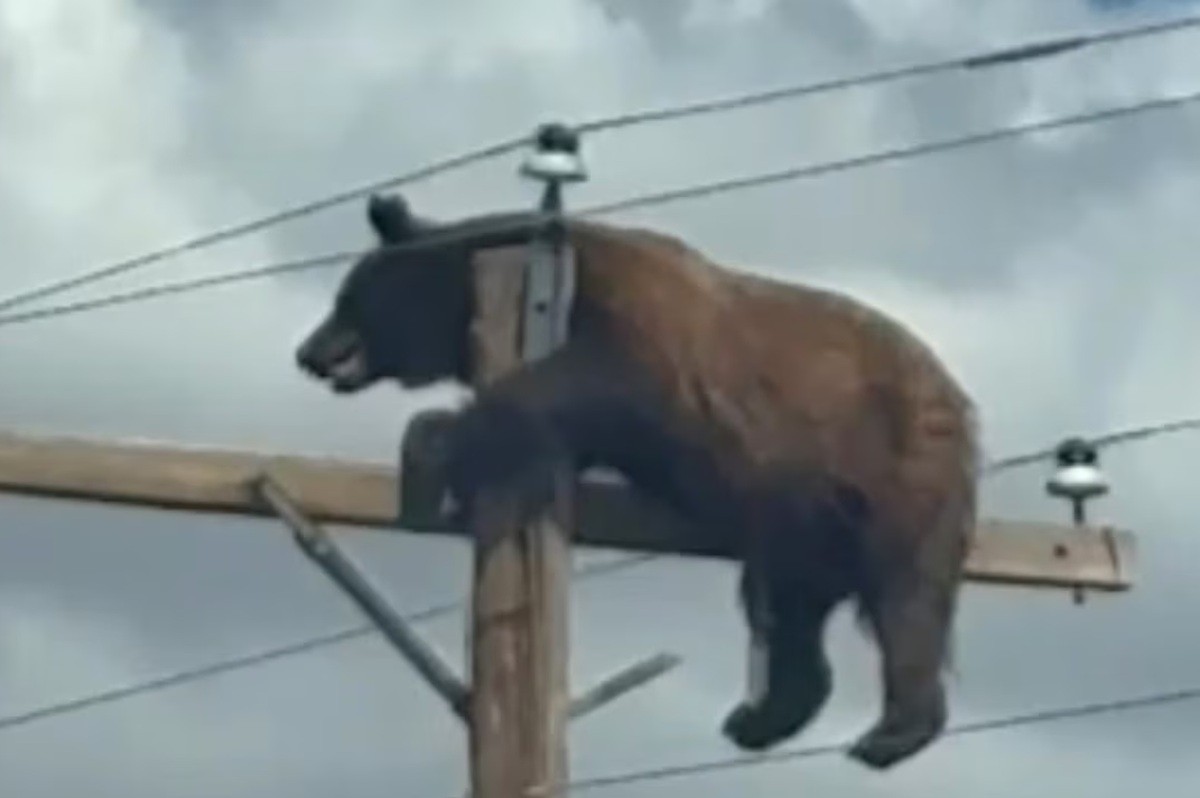
A black bear that climbed a utility pole in New Mexico died after being electrocuted on Monday, May 20th. The incident occurred near Gladstone, along Highway 56, where the bear was observed struggling to balance on top of the pole, several meters above the ground. Passersby recorded the scene, and the video quickly went viral on social media. Emergency services were contacted, and personnel from the New Mexico Department of Wildlife, police, and the energy company responded. Authorities decided against sedating the bear due to the risk of a fatal fall. The initial plan was to wait for the animal to descend on its own, as bears sometimes climb structures to escape stressful situations. However, before any rescue could be safely executed, the bear made contact with the electrical lines, resulting in its death from electrocution. The Department of Wildlife suggested that the presence of numerous onlookers filming and photographing the animal may have contributed to its prolonged presence on the pole. Experts note that bears may mistake wooden poles for trees and climb them to evade threats like people, dogs, or vehicles. While rare, similar incidents have been documented elsewhere in the United States.
This unfortunate event highlights the complex interactions between wildlife and human infrastructure. The presence of onlookers, while driven by curiosity, may have inadvertently increased the animal's stress, potentially influencing its behavior and decision to climb the pole. Future infrastructure planning and wildlife management strategies could consider enhanced deterrents or protective measures around utility poles in areas frequented by bears. Furthermore, public education campaigns emphasizing responsible wildlife observation, particularly in stressful situations for animals, could mitigate risks for both humans and wildlife. The incident underscores the need for rapid, yet safe, response protocols when wildlife encounters hazardous infrastructure, balancing rescue attempts with the safety of the animal and the public.
AI-generated to prompt reflection — not editorial opinion, not advice, not a statement of fact. How this works.