Beekeeping Boosts Income and Environmental Preservation in Northwestern Fluminense
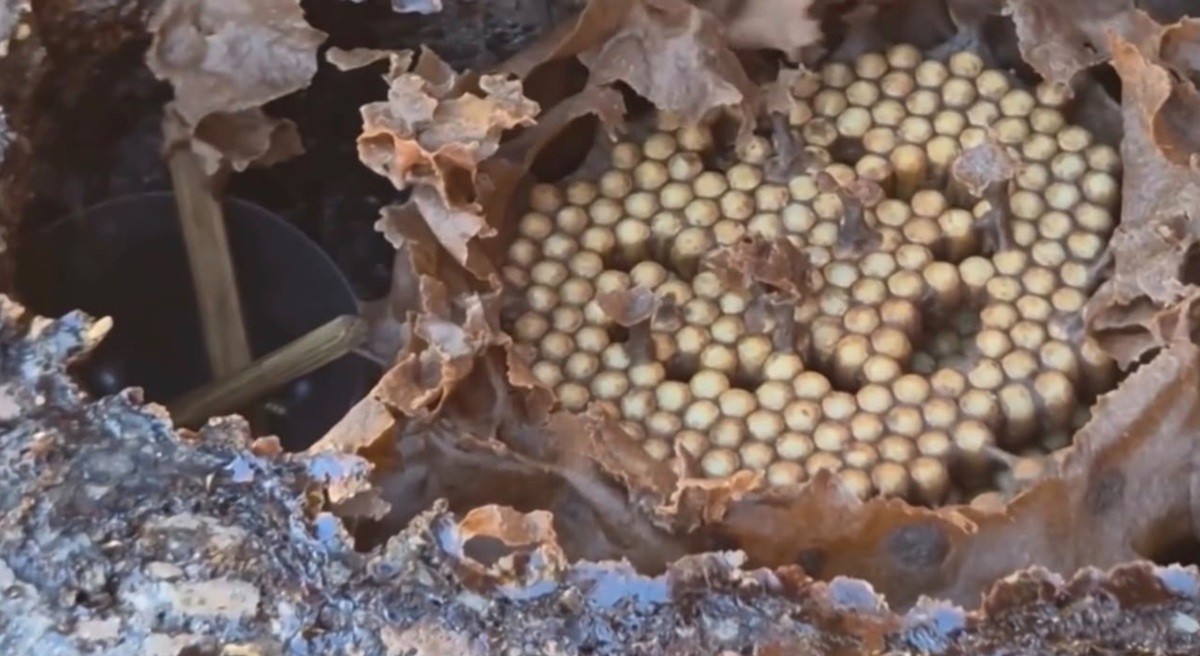
Beekeeping is gaining traction in Northwestern Fluminense, Brazil, enhancing honey production while supporting crop pollination and biodiversity conservation. This activity is attracting new rural producers in municipalities such as Miracema, Itaocara, and Laje do Muriaé. In Miracema, beekeepers emphasize the need for technical knowledge, planning, and respect for the bees' natural cycles. Honey harvests typically occur between November and May, with a single swarm potentially yielding up to 30 kilograms per season, contingent on weather conditions. In Itaocara, a portion of the honey is sold locally, with the remainder distributed to other municipalities. Producers highlight the crucial role of bees in pollinating agricultural crops, which directly leads to increased farm productivity. Laje do Muriaé is seeing a rise in meliponiculture, the practice of raising stingless native bees. Although these species produce less honey, they are vital for pollinating the Atlantic Forest and conserving ecosystems. According to Emater-Rio data, Rio de Janeiro state has 935 active beekeepers managing approximately 18,664 hives, producing over 320 tons of honey annually for an estimated revenue of R$ 13.5 million. Experts and producers agree that protecting bees is synonymous with safeguarding food production and biodiversity, positioning beekeeping as an investment in sustainability and the future of agriculture.
The expansion of beekeeping in Northwestern Fluminense demonstrates a convergence of economic incentives and ecological benefits. This dual outcome suggests that sustainable agricultural practices can be a viable pathway for rural development, particularly in regions facing environmental pressures. The economic viability, evidenced by the R$ 13.5 million estimated annual revenue, indicates a market demand for honey and related products. Furthermore, the recognized role of bees in crop pollination highlights a systemic interdependence between apiculture and broader agricultural output, underscoring the importance of biodiversity for food security. As climate patterns evolve, the resilience of these beekeeping operations will be tested, necessitating adaptive strategies that consider both environmental changes and the specific needs of bee populations. This trend offers a model for other regions seeking to integrate environmental stewardship with economic growth.
AI-generated to prompt reflection — not editorial opinion, not advice, not a statement of fact. How this works.