Bees Attack Four After Hive Falls From Tree in Araraquara, Brazil
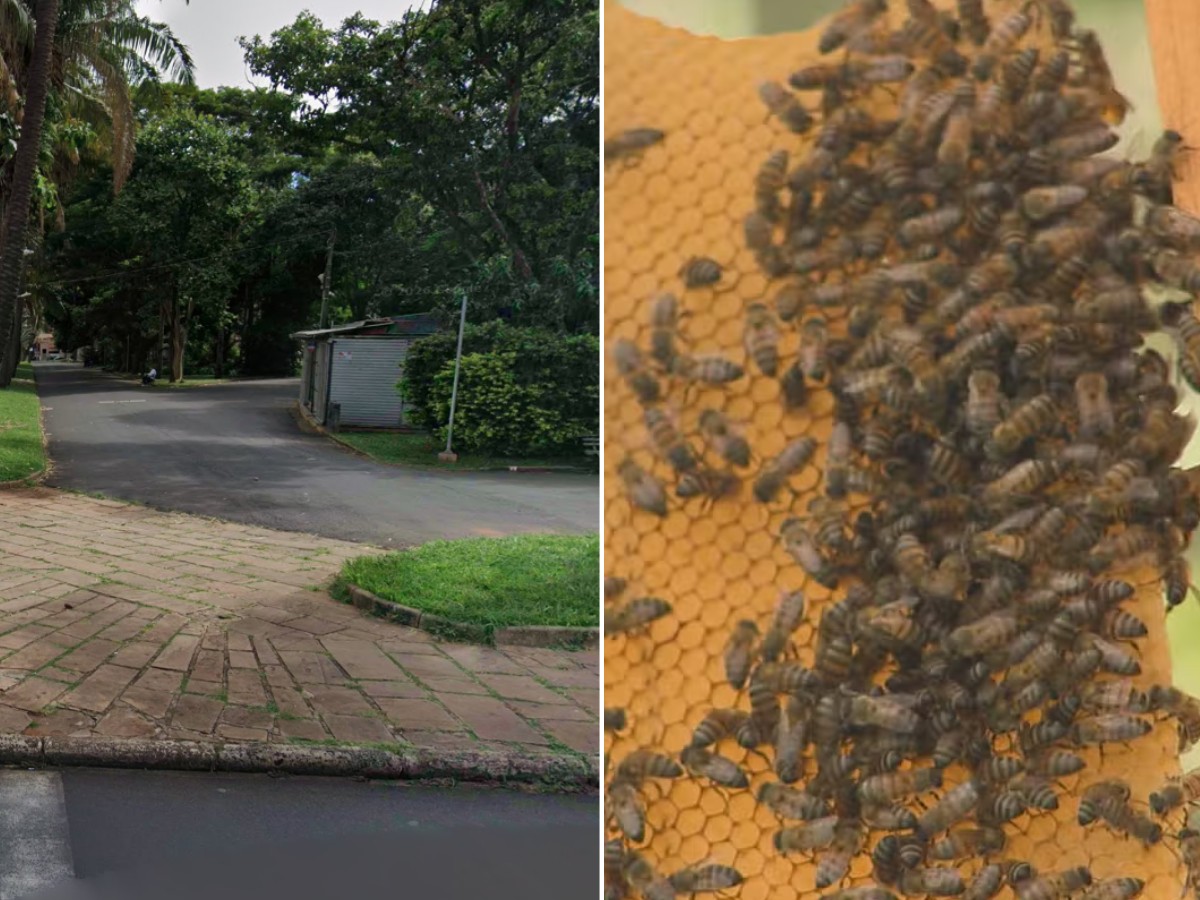
Four individuals were attacked by European honeybees (Apis mellifera) in Araraquara, São Paulo, Brazil, on Monday afternoon, May 13th, after a beehive fell from a tree. The incident occurred in the Parque Infantil area, near the intersection of Rua São Bento and Avenida São Geraldo. According to the Fire Department, one victim was rescued by bystanders and taken to a local emergency room, though their current health status is unknown. Three other individuals who sustained stings did not exhibit severe symptoms and did not require medical attention. Fire department vehicles responded to the scene, which remains cordoned off due to remaining hive fragments on the tree. An apiculturist from the city hall stated that the remaining fragments are in a high location and do not pose a risk. The city hall confirmed that emergency services were promptly dispatched. One patient sought medical evaluation at the UPA Central, reporting multiple stings and potential allergic reactions, and was treated and released. The European honeybee, an invasive exotic species, is known for its economic importance in honey, wax, and royal jelly production, as well as its use in pharmacology. These bees are larger, darker, and can be more agitated, with their sting potentially causing severe allergic reactions or even fatalities depending on the number of stings.
This incident highlights the potential risks associated with urban wildlife encounters, particularly concerning invasive species like the European honeybee. The falling hive created an unpredictable hazard, leading to the attacks. While emergency services responded effectively, the event underscores the need for proactive urban planning that considers the integration of natural elements and potential wildlife habitats within populated areas. Future considerations might include enhanced monitoring of tree health in public spaces and established protocols for managing apiaries in proximity to pedestrian zones to mitigate such risks. The incident also serves as a reminder of the biological characteristics of European honeybees, including their potential for agitation and the severity of their stings, which necessitates appropriate public awareness and safety measures.
AI-generated to prompt reflection — not editorial opinion, not advice, not a statement of fact. How this works.