Begum Rokeya University: Northern Bangladesh's Beacon or Symbol of Neglect?
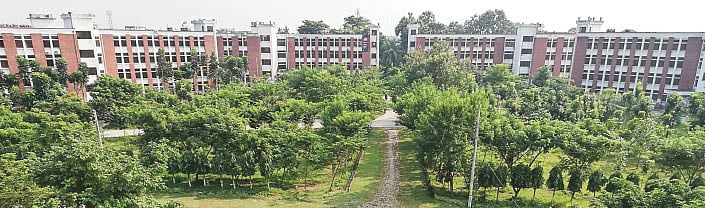
Begum Rokeya University (BRUR), a key higher education institution in northern Bangladesh, faces significant challenges nearly two decades after its establishment. Despite accommodating nearly 8,000 students across 22 departments in 6 faculties, the university suffers from a severe accommodation crisis, with only 824 hostel seats available, catering to about 10% of the student body. This forces approximately 90% of students to reside in off-campus messes and rented accommodations, often in unsafe environments with inflated rents, disproportionately affecting female and lower-to-middle-income students.
Adding to the woes are the prolonged delays in crucial development projects. The 'Swadhinata Smarak' (Independence Monument), initiated in 2012, remains incomplete. Construction of the 10-story Begum Khaleda Zia dormitory, halted due to corruption allegations in 2019, has resumed but progresses slowly. Similarly, projects like the 'Abu Sayeed Arch and Museum' and 'Shaheed Abu Sayeed Memorial' under a larger expansion plan, despite foundation stone laying in July 2025, show no visible construction. While a significant expansion project is planned for 2026-2031, past experiences with project delays foster caution among students.
Despite these setbacks, the university has introduced a commendable research scholarship of 25,000 Taka for postgraduate thesis students. However, this amount is considered insufficient for comprehensive research expenses. To truly foster a research-centric environment, investment in modern laboratories, equipment, and an international research atmosphere is crucial, as a university's success is measured by knowledge creation and innovation, not just infrastructure. The region's expectations for BRUR to overcome stagnation and address its issues remain high, emphasizing the need for timely project completion, transparency, accountability, and tangible solutions for students' problems.
The persistent underdevelopment and unmet infrastructure needs at Begum Rokeya University highlight systemic challenges in prioritizing and executing educational development projects in regional hubs. The gap between project announcements, foundation-laying ceremonies, and actual construction completion suggests potential inefficiencies in planning, procurement, or oversight mechanisms within the higher education development framework. While research scholarships are a positive step, their adequacy must be assessed against the actual costs of academic inquiry. Future success hinges on transparent, accountable, and timely project execution, ensuring that regional institutions receive equitable resources to foster knowledge creation and meet the aspirations of their student populations, thereby fulfilling their role as engines of regional progress.
AI-generated to prompt reflection — not editorial opinion, not advice, not a statement of fact. How this works.