Behind the Scenes at the White House: A History of Presidential Renovations
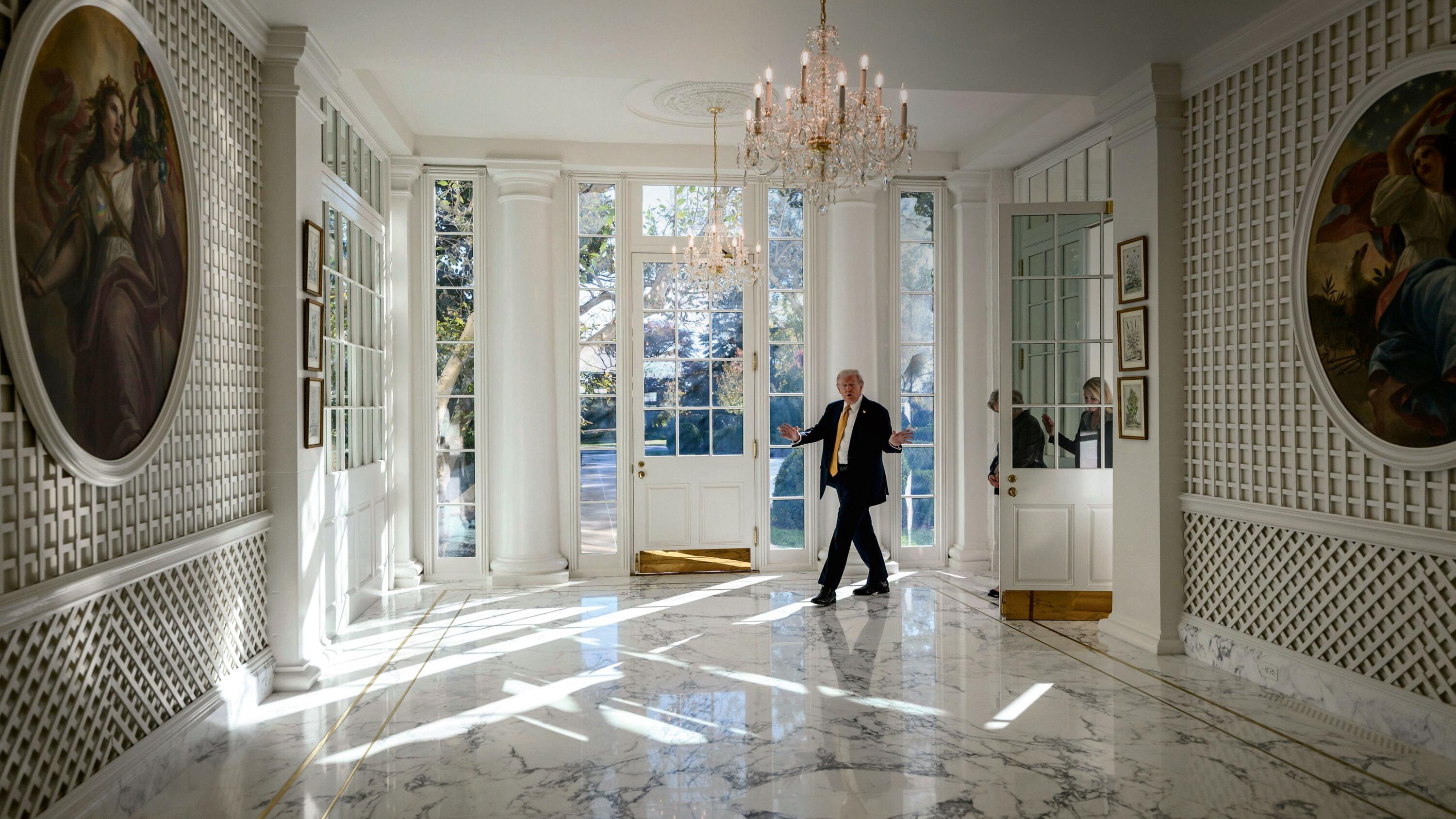
The White House, often referred to as the "temple of democracy," has been continuously reshaped by its occupants throughout its history. While Donald Trump's recent renovations have drawn criticism from detractors who accuse him of desacralizing the iconic building, historical accounts reveal a different narrative. Since its inception, every U.S. president has made modifications to the residence of the world's most powerful individual. These alterations reflect the evolving needs and personal styles of each administration. The ongoing practice of presidents redecorating and renovating the White House underscores its dynamic nature as a living historical monument. Despite the controversies surrounding specific changes, the tradition highlights the enduring human element within the nation's highest office. The building itself serves as a tangible record of presidential legacies and the passage of time in American history.
The White House's physical modifications by successive presidents, including Donald Trump, reflect a recurring pattern of leaders asserting their presence and adapting the executive residence to their vision. This practice, while sometimes sparking public debate, can be viewed through the lens of institutional evolution and the symbolic representation of power. Each renovation, regardless of intent, contributes to the building's layered history, offering insights into the priorities and aesthetics of different eras. Examining these changes prompts consideration of how historical structures are maintained and adapted, balancing preservation with the needs of contemporary leadership and the symbolic expectations placed upon the presidency in the digital age.
AI-generated to prompt reflection — not editorial opinion, not advice, not a statement of fact. How this works.