Beija-Flor Samba School Holds Enredo Festival in Belém
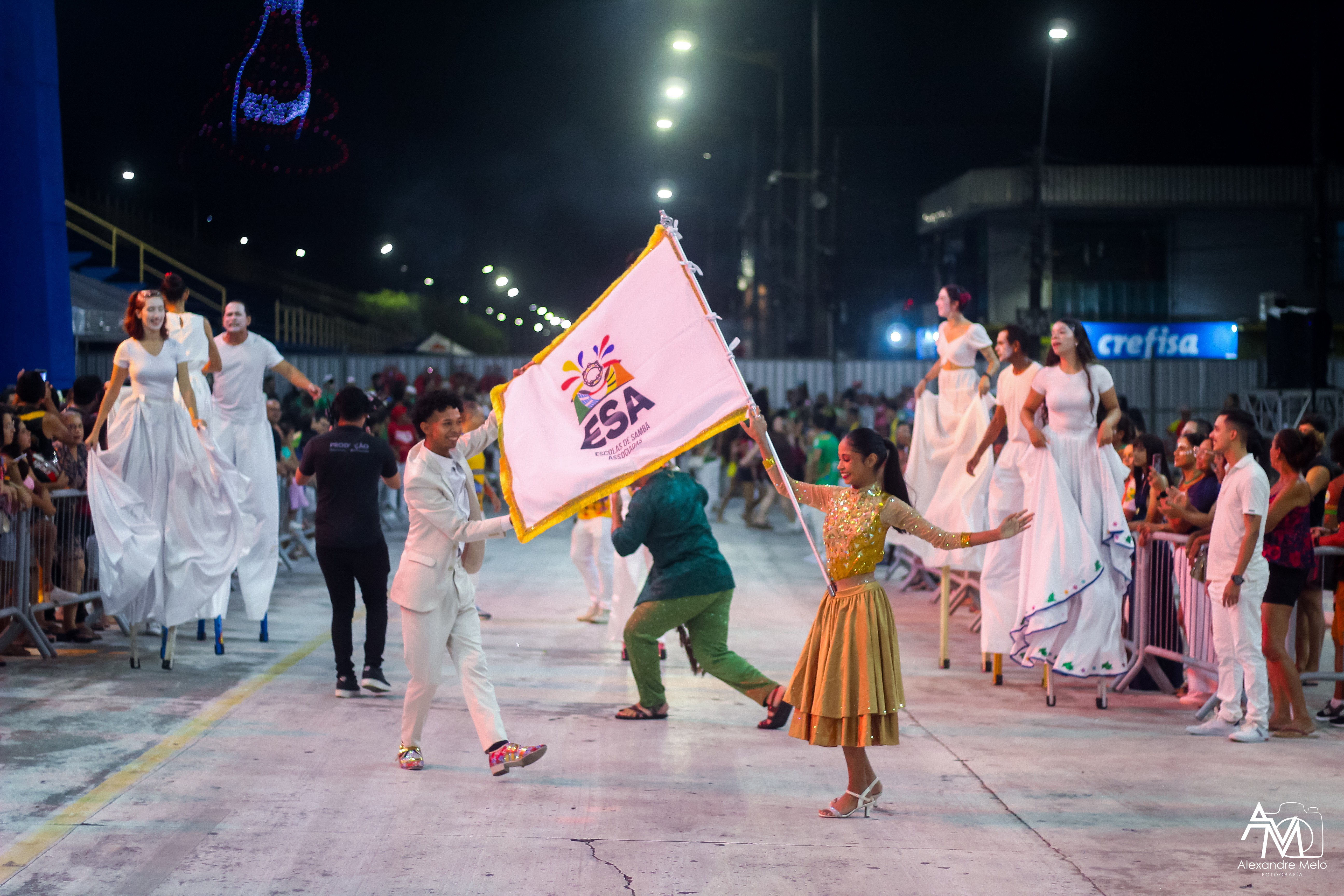
The Beija-Flor de Nilópolis samba school is hosting a Samba-Enredo Festival in Belém, Pará, on August 15, 2026, starting at 6 PM at Aldeia Cabana. This event, organized in partnership with the Escolas de Samba Associadas (ESA), aims to foster exchange between the carnival traditions of Pará and Rio de Janeiro's Beija-Flor, one of Brazil's most traditional samba schools. The festival, which officially launched its competing samba works on August 30, will feature seven local samba schools presenting original samba-enredo compositions. Participating schools include Bole-Bole, Xodó da Nega, Boêmios da Vila Famosa, Acadêmicos da Pedreira, Mocidade Olariense, Embaixada de Samba do Império Pedreirense, and Escola de Samba da Matinha. Beyond the competition, attendees will witness a special performance by Beija-Flor de Nilópolis, showcasing its bateria (percussion section), passistas (dancers), and its renowned first mestre-sala and porta-bandeira couple, Selminha Sorriso and Claudinho, who have defended the school's banner for 35 years. Fernando “Guga” Gomes, president of ESA, highlighted the festival's role in strengthening ties between Pará and Rio carnivals, supporting local composers, and recognizing the artistic quality of Pará's samba schools. Admission to the main stage (pista) is free, with tables available for purchase online.
This festival exemplifies a cultural exchange initiative, leveraging the prestige of a renowned Rio de Janeiro samba school to elevate the profile of local Pará carnival traditions and composers. Such events can stimulate local economies through increased tourism and cultural production, while also providing a platform for artistic expression and competition. However, the long-term sustainability of these cross-regional collaborations depends on equitable benefit-sharing and the development of robust local infrastructure that can independently support and promote Pará's unique carnival culture beyond the influence of larger, established entities. The model highlights a common dynamic where established cultural hubs act as gatekeepers or accelerators for regional artistic scenes, prompting consideration of how such partnerships can foster genuine autonomy rather than dependency.
AI-generated to prompt reflection — not editorial opinion, not advice, not a statement of fact. How this works.