Beijing Authorities Release Details on CITIC Tower Plane Crash
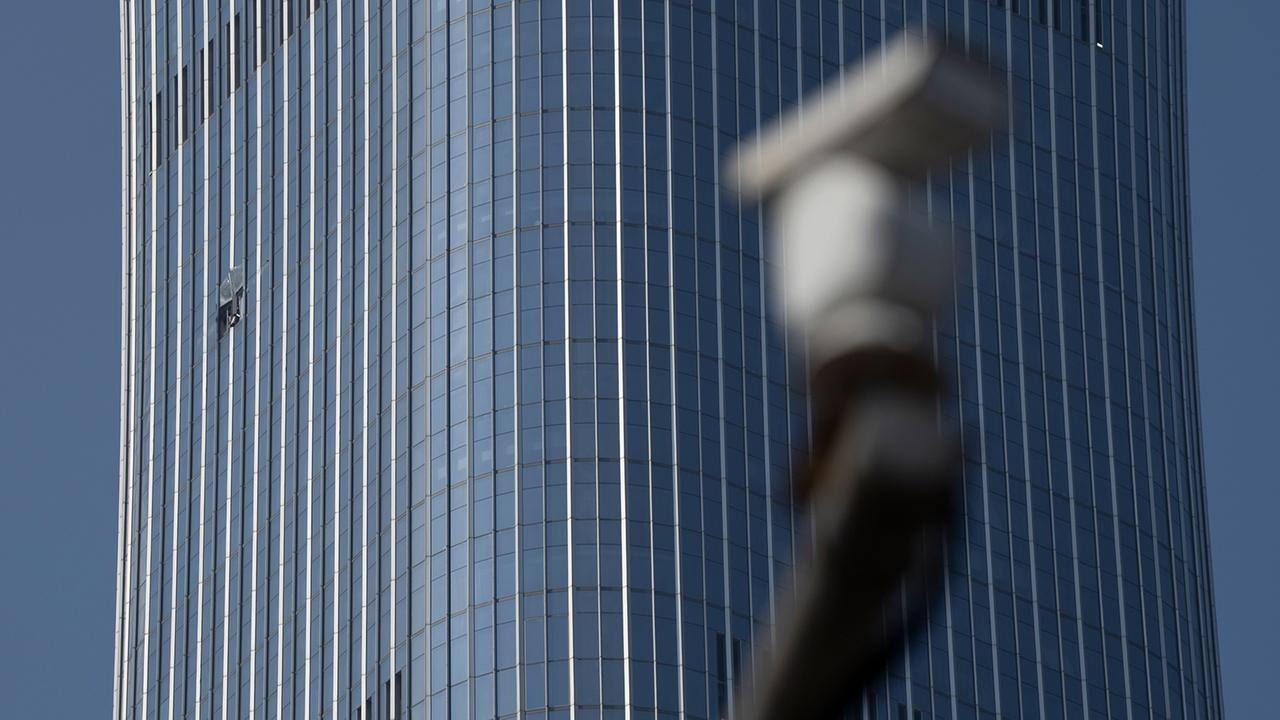
Authorities in Beijing have released further details regarding a light aircraft crash into the CITIC Tower, China's tallest skyscraper, one week after the incident. Preliminary findings suggest the pilot's actions were intentional. However, significant questions surrounding the event remain unanswered. The specific type of light aircraft involved has not been disclosed, nor has the pilot's identity or motive. The CITIC Tower, a prominent landmark in Beijing's central business district, sustained damage, but the extent of structural compromise is still under assessment. The investigation is ongoing, with authorities working to piece together the sequence of events leading up to the crash. The incident has raised concerns about aviation safety and security protocols in densely populated urban areas. Further updates are expected as the investigation progresses.
The intentional nature of the pilot's actions in crashing a light aircraft into Beijing's CITIC Tower, China's tallest building, warrants a review of air traffic control and urban airspace management protocols. While the immediate focus is on the pilot's intent, a broader systemic analysis should consider the vulnerabilities of critical infrastructure to such deliberate acts. Future urban planning and security frameworks must integrate robust measures to mitigate risks posed by low-altitude aviation within densely populated centers, particularly as drone technology and autonomous flight systems become more prevalent. Understanding the root causes and implementing preventative strategies will be crucial for maintaining public safety and confidence in the face of evolving threats.
AI-generated to prompt reflection — not editorial opinion, not advice, not a statement of fact. How this works.