Beijing Reiterates Opposition to South China Sea Tribunal Ruling on 10th Anniversary
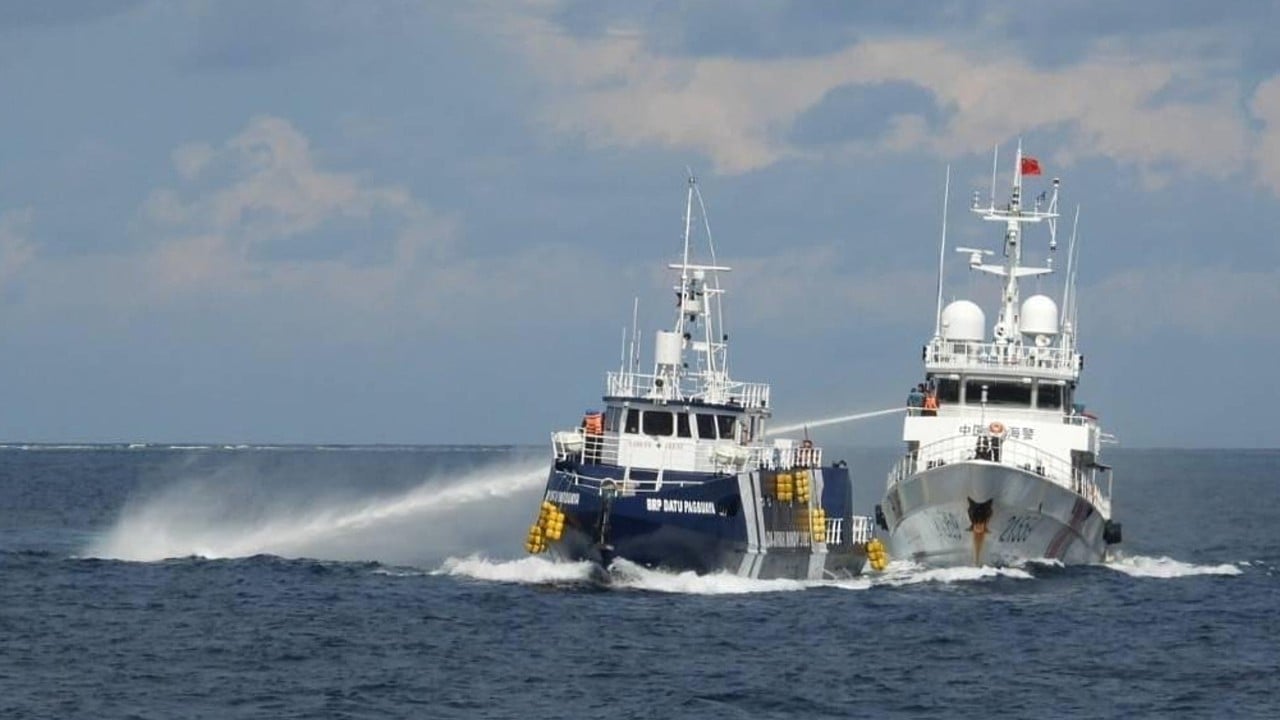
On the 10th anniversary of a landmark international tribunal ruling concerning the South China Sea, Beijing has renewed its criticism of the decision. Jing Quan, China's ambassador to the Philippines, described the tribunal's ruling as "thoroughly illegal" and a "thorn" in the bilateral relationship. In an article published in the People's Daily on Sunday, Quan emphasized the urgency of addressing the "lingering toxic legacy" of the ruling. He stated that the primary task for Manila is to resolve this issue. The tribunal's decision, made a decade ago, invalidated China's extensive claims in the South China Sea, a region with significant geopolitical and economic importance. Beijing has consistently rejected the ruling, viewing it as lacking legal basis and infringing upon its sovereignty. This anniversary marks another occasion for China to voice its dissent and reiterate its stance on the territorial disputes.
China's renewed denunciation of the 2016 South China Sea arbitral tribunal ruling on its 10th anniversary highlights a persistent geopolitical tension. The diplomatic rhetoric, framing the ruling as a "toxic legacy," suggests a strategic effort to delegitimize international legal frameworks that challenge national sovereignty claims. This stance reflects a broader trend where powerful states may selectively engage with international law based on perceived national interests, potentially undermining the effectiveness and universality of international dispute resolution mechanisms. The emphasis on bilateral resolution, as implied by Ambassador Jing Quan's statement regarding Manila's "most important task," could be interpreted as a strategy to leverage economic or political influence in negotiations, rather than adhering to the principles of multilateral legal arbitration. Looking ahead, such persistent disagreements could shape regional security dynamics and influence the future of international maritime law, particularly as technological advancements enable greater resource exploration and strategic positioning in contested waters.
AI-generated to prompt reflection — not editorial opinion, not advice, not a statement of fact. How this works.