Belém City Hall Acts on Heron Deaths at Batista Campos Square
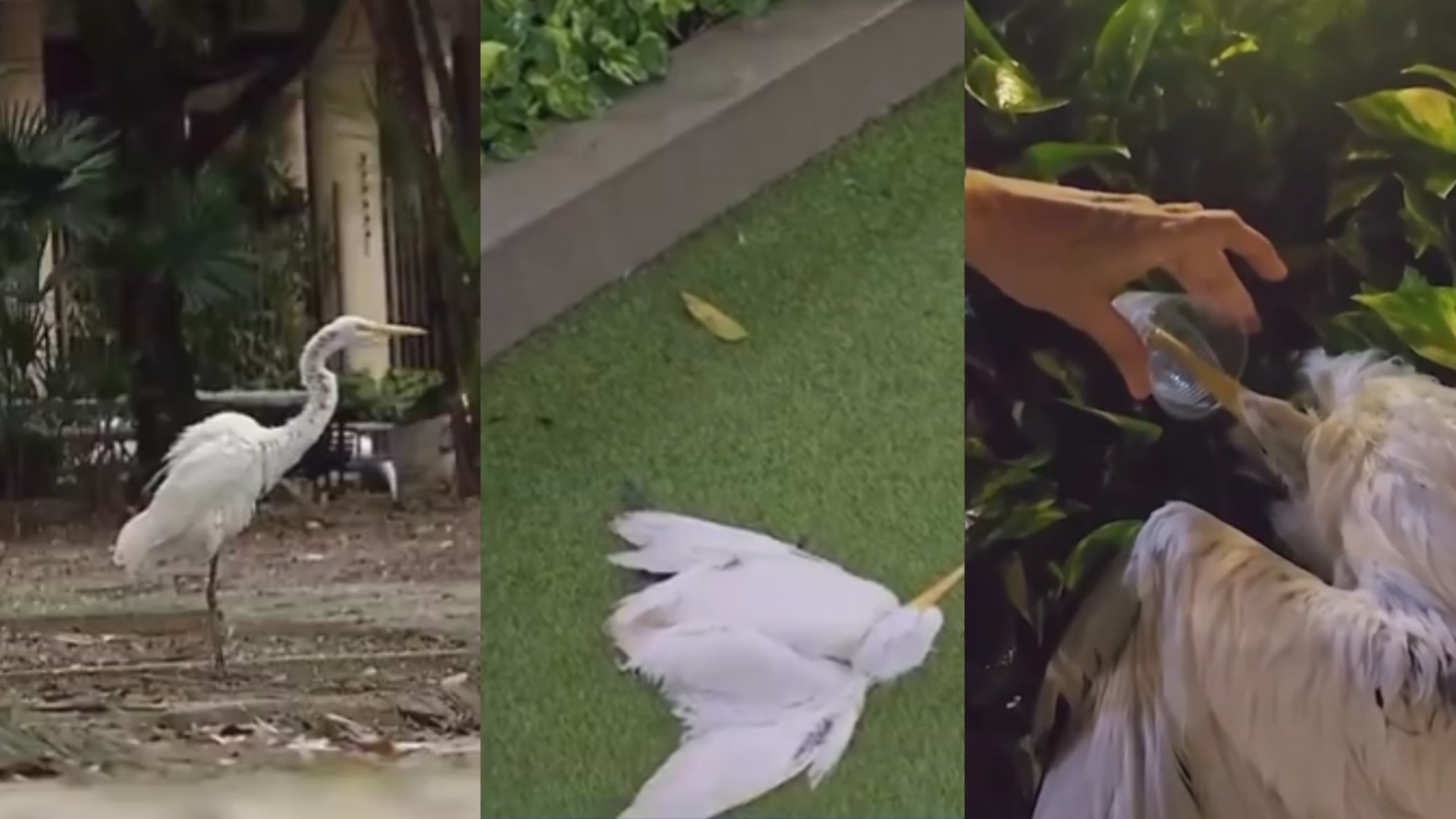
Belém City Hall has launched an initiative to reduce the heron population in Batista Campos Square following numerous complaints about frequent bird deaths, accumulated feces, and strong odors. The actions, which began on Tuesday, June 14th, come over a month after local residents, business owners, and specialists raised concerns. The Municipal Secretariat for Urban Zeladoria and Conservation (Sezel) will conduct daily, indefinite cleanings of the square, aiming to eliminate the odor from droppings, which is expected to discourage the birds from staying. Simultaneously, the Municipal Secretariat for the Environment (Semma) is implementing an environmental education campaign until Friday, June 17th. This campaign involves educating the public on how to handle injured or deceased birds and distributing informational materials. Residents are advised to contact the Municipal Guard (153) or the Environmental Police Battalion (190) instead of touching the animals. According to Ellen Eguchi, director of Bosque Rodrigues Alves, the high concentration of herons is attributed to large trees and an abundance of tilapia in the park's lakes, the birds' primary food source. The emergency plan also includes removing these fish, treating injured birds, and disposing of deceased ones. Eguchi noted that while some deaths are natural, the sheer number of birds amplifies these occurrences. Previous reports highlighted the issue, with biologist Basílio Guerreiro advocating for studies to determine the causes of death. At that time, the City Hall stated its responsibility was limited to captive animals, and Ibama indicated no ongoing management studies for the heron population, requiring municipal technical diagnoses for any intervention.
The situation at Batista Campos Square highlights a common urban wildlife management challenge where natural ecological processes intersect with human habitation, leading to public health and aesthetic concerns. The city's response, involving cleaning and environmental education, addresses immediate issues but may not resolve the underlying ecological drivers, such as abundant food sources and suitable nesting sites. Future strategies could explore more sustainable, long-term solutions that balance urban development with wildlife needs, potentially involving habitat modification or population management techniques that are both ecologically sound and publicly acceptable. Considering the increasing urbanization and human-wildlife interactions globally, this event offers a case study for developing proactive, data-driven approaches to urban biodiversity management that anticipate and mitigate conflicts before they escalate.
AI-generated to prompt reflection — not editorial opinion, not advice, not a statement of fact. How this works.