Belém Enhances July Water Transport for Mosqueiro and Cotijuba
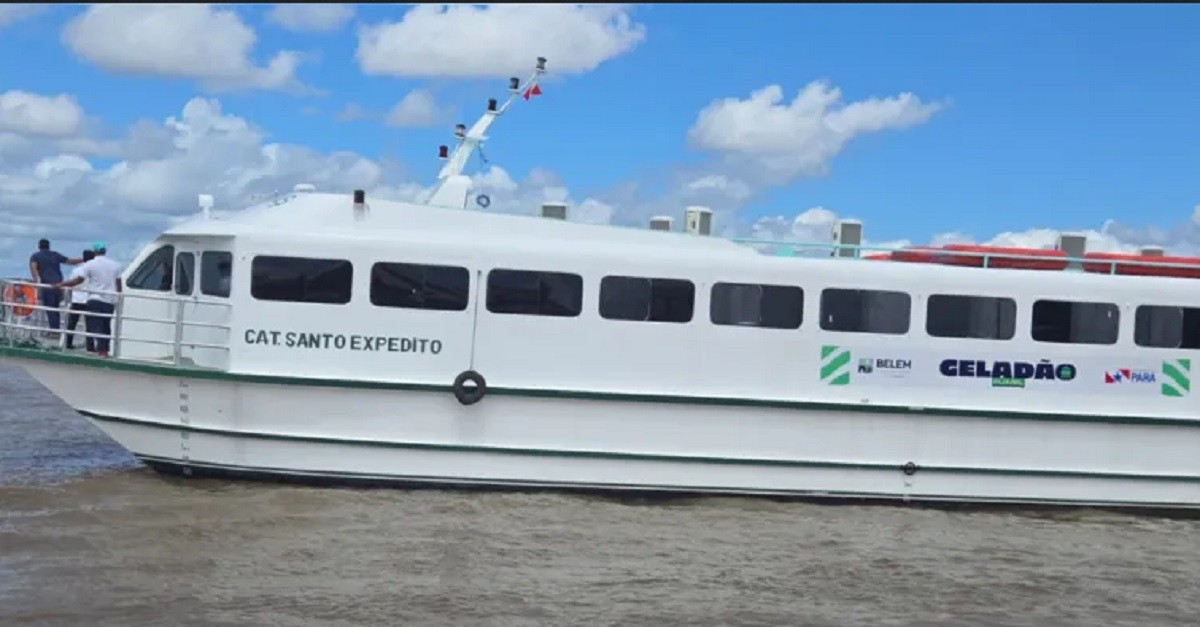
Belém's Agência Belém is augmenting its water transport services for the July vacation period, offering expanded options to Mosqueiro and a new direct route to Cotijuba. The "Geladão Fluvial" service to Mosqueiro will operate on all Saturdays and Sundays in July (July 4, 5, 11, 12, 18, 19, 25, and 26). Departures from Belém's Terminal Hidroviário are scheduled for 7:30 AM, with departures from Icoaraci at 9:30 AM. Return trips from Mosqueiro to Belém depart at 4:00 PM, and on Sundays, an additional return to Icoaraci leaves at 4:30 PM. The fare for this route is R$ 20 per segment, with a half-price option of R$ 10 and free passage for seniors and individuals with disabilities. A significant new offering is the direct line to Cotijuba, available on Saturdays and Sundays throughout July. This route departs from Belém's Terminal Hidroviário at 8:00 AM, with returns from Cotijuba at 4:00 PM. The fare for the direct Cotijuba service is R$ 9.20. Meanwhile, existing services between Icoaraci and Cotijuba will continue throughout July. Weekday departures are at 9:00 AM, 12:00 PM, and 6:30 PM. On Saturdays, Sundays, and holidays, departures are at 9:00 AM, 12:30 PM, and 6:30 PM, with potential for extra trips based on demand. The fare for these Icoaraci-Cotijuba routes is R$ 4.60 on weekdays and R$ 9.20 on weekends and holidays. The Belém City Hall states that these service expansions are intended to accommodate the increased passenger flow during the summer season and to provide more travel choices for residents, workers, and tourists.
The expansion of water transport services by Belém's Agência Belém during July reflects a strategic response to seasonal demand fluctuations, aiming to balance accessibility for residents, workers, and tourists. By introducing a direct route to Cotijuba and reinforcing services to Mosqueiro, the municipality is leveraging existing infrastructure to enhance connectivity and potentially stimulate local economies. This initiative highlights a common urban planning challenge: optimizing public services to meet variable demand patterns. Future considerations might involve analyzing the long-term sustainability of these expanded services beyond peak seasons and exploring technological integrations for improved scheduling and passenger management, particularly as urban populations grow and travel demands evolve in the coming decade.
AI-generated to prompt reflection — not editorial opinion, not advice, not a statement of fact. How this works.