Belém Residents Use Polluted Canal as Makeshift Beach Amid Heatwave
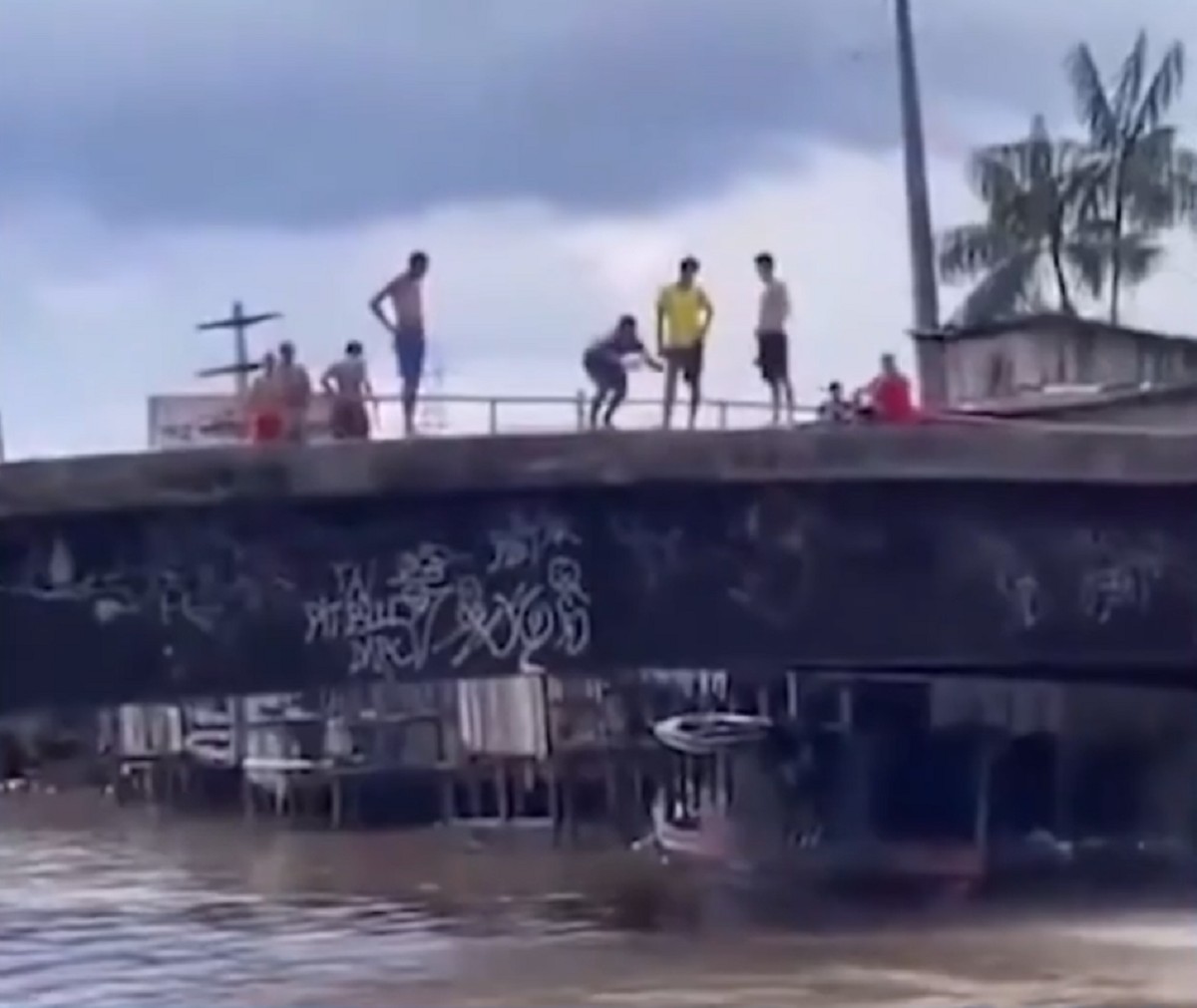
In Belém, Brazil, residents have transformed a section of the Tucunduba Canal, currently undergoing renovation, into an improvised "beach." The urban canal, located between the Terra Firme and Guamá neighborhoods, has become a popular spot for people to cool off from intense heat, with some setting up umbrellas and even furniture. This phenomenon gained traction after a video of residents bathing in the canal went viral on social media, attracting dozens of people. While some older residents recall swimming in the canal without issue years ago, current conditions are significantly more hazardous. Health experts strongly caution against contact with the canal's water, which is heavily polluted with domestic waste, industrial effluent, untreated sewage, and animal urine. Potential health risks include infectious diseases (bacterial, viral, fungal), severe skin problems like dermatitis, and gastrointestinal infections from accidental ingestion. Symptoms such as intense skin redness, persistent itching, fever, and diarrhea are serious indicators requiring immediate medical attention. The situation highlights broader issues in Belém, including a lack of green spaces and recreational areas in peripheral neighborhoods, exacerbated by the removal of vegetation for the ongoing canal requalification project. For many, the canal represents the only accessible option to cope with the heat, given financial constraints preventing travel to distant beaches. The Secretariat of Public Works (Seop) confirmed that the canal's urbanization project is proceeding, including land clearing and soil replacement, with all necessary environmental licenses. They also stated that a reforestation plan is being developed in conjunction with the Secretariat of Environment to replant trees along the canal.
The improvised bathing in Belém's Tucunduba Canal underscores a critical intersection of public health, urban planning, and socio-economic disparity. While the immediate driver appears to be extreme heat and a lack of accessible recreational spaces, the underlying issue is the historical management of urban waterways and the provision of essential public services. The canal's transformation into a makeshift beach, despite evident pollution risks, reflects a community's adaptive response to environmental degradation and heat stress, potentially exacerbated by urban development that removed natural cooling elements like trees. Authorities are undertaking a requalification project, which, while necessary for long-term environmental improvement, has created a temporary situation that exposes residents to health hazards. This scenario presents a systemic challenge: balancing infrastructure development with immediate public well-being and ensuring that urban renewal projects do not inadvertently create new vulnerabilities for marginalized populations. Future planning must integrate robust public health advisories and consider the immediate needs of communities during transitional development phases, ensuring that environmental remediation efforts are coupled with accessible, safe alternatives for heat relief and recreation.
AI-generated to prompt reflection — not editorial opinion, not advice, not a statement of fact. How this works.