Belém's Historic Center Hosts 'Circular Campina Cidade Velha' Event
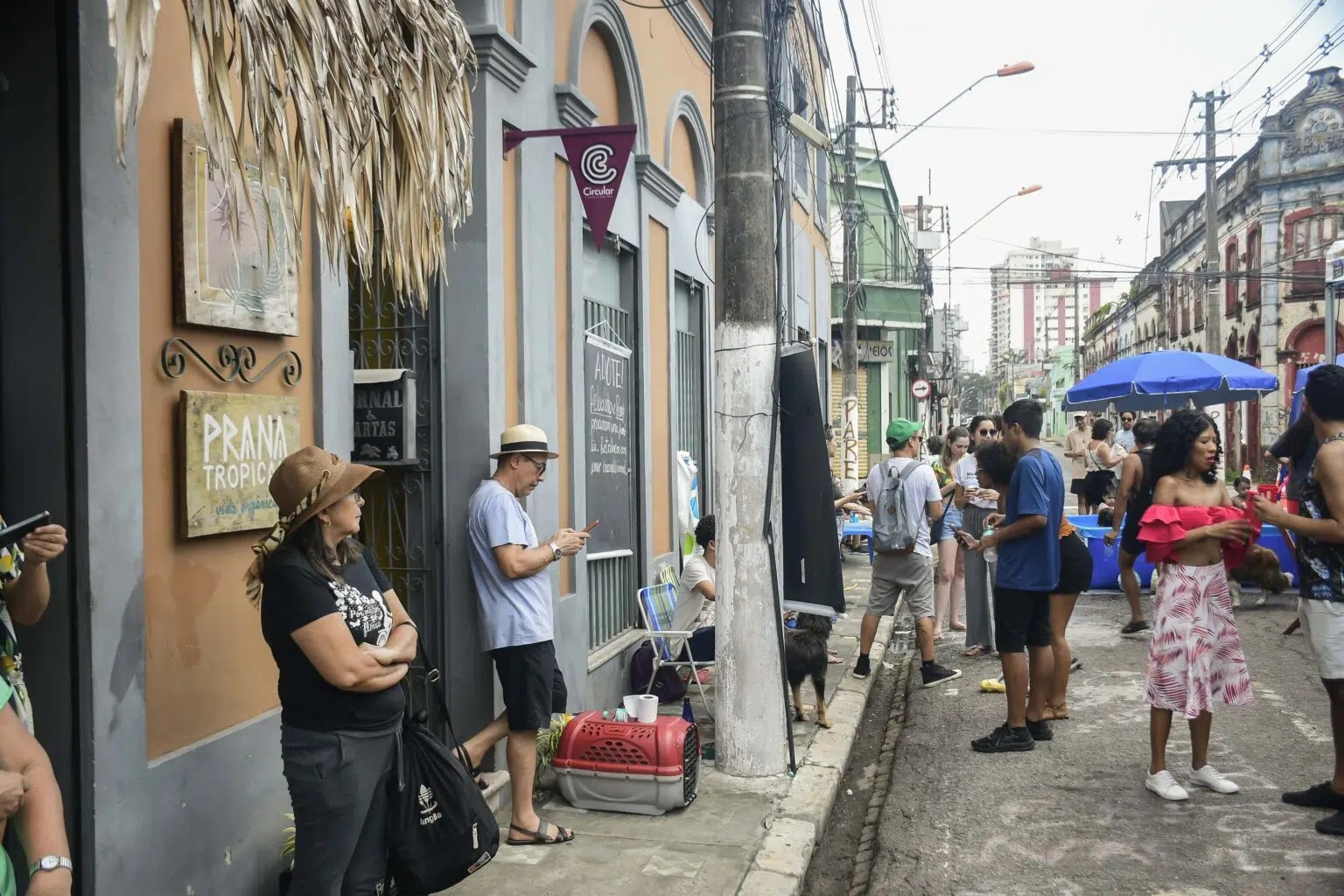
The 62nd edition of the 'Circular Campina Cidade Velha' project will take place on Sunday, August 2, 2026, in Belém's historic center, marking the start of Heritage Month. This event will feature over 30 free and paid activities across more than 30 spaces in the Campina, Cidade Velha, and Reduto neighborhoods. The program aims to encourage the public to rediscover Belém's historic center, highlighting its architectural, artistic, cultural, and human heritage. Activities include guided tours, exhibitions, workshops, historical routes, children's events, creative fairs, musical performances, and gastronomic experiences. New venues like Casa Rosada will offer guided tours focusing on its architecture and history, while Casa Igara will host a regional Amazonian cafe, a miriti craft workshop, and a creative fair. The Complexo dos Mercedários, a key venue, will present musical performances by the UFPA School of Music, including "Violão em Chamas" and "O Cantochão dos Mercedários." Several cultural institutions, including the Centro Cultural Banco da Amazônia and the Sistema Integrado de Museus e Memórias da Secult, will host exhibitions, featuring works by artists like Sebastião Salgado and Rafael Prado, as well as various museums and the Memorial Amazônico da Navegação. Family-oriented activities will be offered by Sesc Ver-o-Peso and Rádio Margarida. Culinary options range from vegan meals to contemporary Amazonian cuisine, with various bars and restaurants also participating. Musical performances will span from morning to evening, featuring artists like Lucas Imbiriba, Gil Martins, Pedrinho Callado Trio, Bendito Carimbó, and Joelma Kláudia. The event is sponsored by Banco da Amazônia and Alubar, with institutional support from the Universidade Federal do Pará.
This event leverages cultural heritage and public programming to stimulate engagement with Belém's historic districts. By activating over 30 diverse spaces, it aims to foster a sense of local pride and economic activity through tourism and creative industries. The multi-faceted approach, integrating art, history, gastronomy, and music, suggests a strategy to appeal to a broad demographic. Future iterations could explore deeper integration with local educational institutions to build long-term stewardship of the historic sites and potentially develop sustainable funding models beyond corporate sponsorship and government grants, ensuring the continued vitality and preservation of these cultural assets in the face of urban development pressures.
AI-generated to prompt reflection — not editorial opinion, not advice, not a statement of fact. How this works.