Belém's public health units now offer new Pneumo 20 vaccine against pneumonia
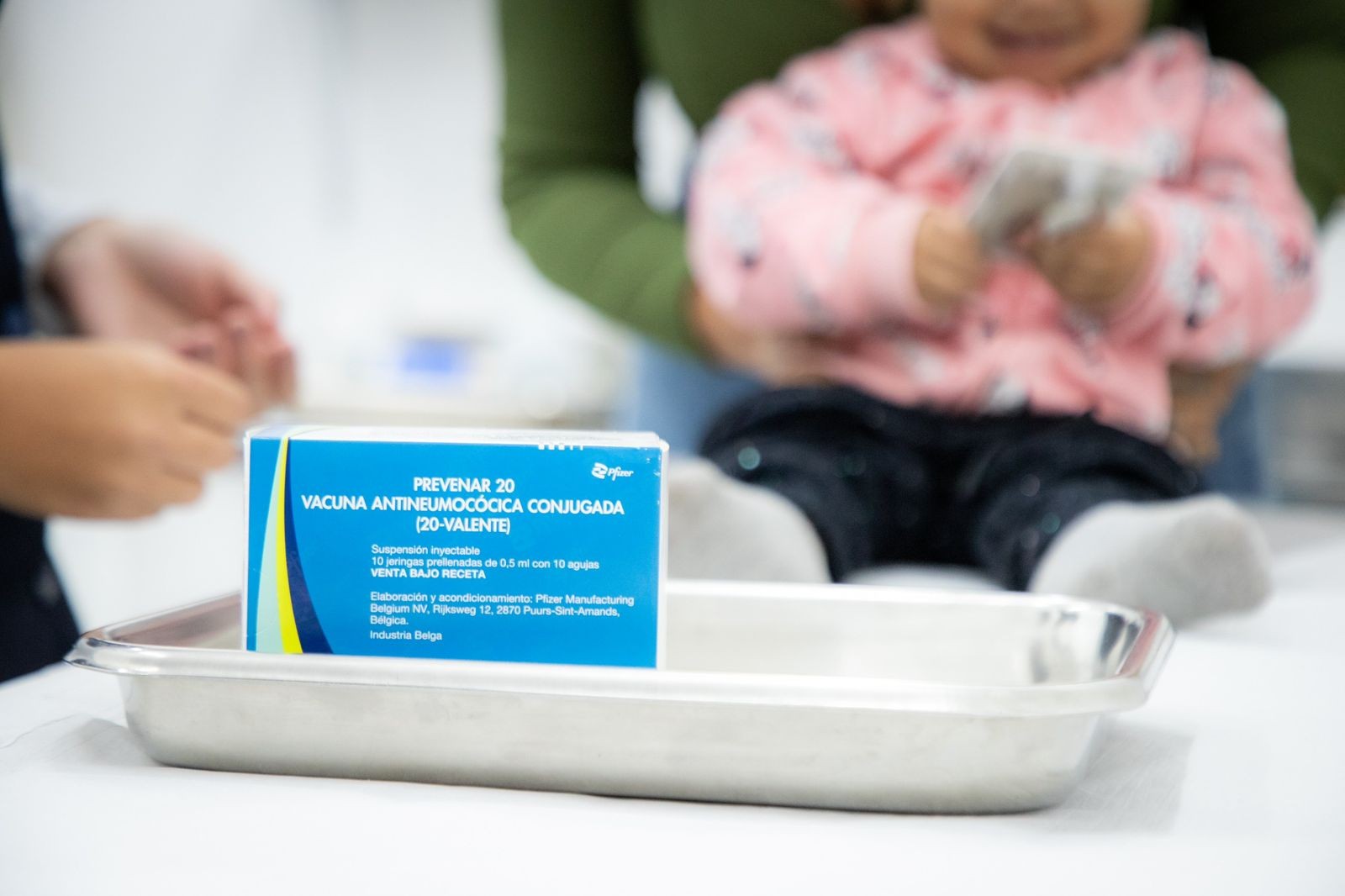
Belém's Basic Health Units (UBSs) have begun offering the new Pneumo 20 vaccine, recently incorporated into Brazil's Unified Health System (SUS). This new immunization aims to enhance protection against infections caused by the Streptococcus pneumoniae bacterium, commonly known as pneumococcus. The Municipal Health Secretariat (Sesma) has reported that over 2,000 doses have been distributed to the capital city.
The Pneumo 20 vaccine is primarily recommended for children under five years old who have not yet started or completed their pneumococcal vaccination schedule. Additionally, it is available to indigenous populations over five years old with no prior history of conjugated pneumococcal vaccination and individuals with special clinical conditions managed by the Special Immunobiologicals Network (RIE), following Ministry of Health guidelines. This vaccine provides protection against 20 serotypes of the pneumococcus bacterium, a significant increase from the 10 serotypes covered by the Pneumo 10 vaccine, which remains in use in the public health network. Pneumococcal infections can lead to serious conditions such as pneumonia, meningitis, otitis, sinusitis, and bacteremia, particularly affecting vulnerable groups like children, the elderly, and those with compromised immune systems. Sesma clarified that the introduction of Pneumo 20 does not replace Pneumo 10, which continues to be administered according to the national vaccination calendar and specific public recommendations. To receive the vaccine, individuals must present their vaccination card, National Health Card (Cartão SUS), or CPF, along with a photo ID. For those with special clinical conditions, a medical report confirming the indication for the vaccine is also required. Residents are encouraged to visit their nearest UBS to check their vaccination status and receive the new immunization if eligible.
The integration of the Pneumo 20 vaccine into Belém's public health system represents a proactive public health initiative to broaden protection against pneumococcal diseases. By increasing the number of serotypes covered, the vaccine aims to reduce the incidence of severe infections like pneumonia and meningitis, particularly among vulnerable populations. This expansion of vaccine availability underscores a commitment to preventative healthcare within the SUS framework. Future evaluations will likely focus on uptake rates, impact on disease burden, and the cost-effectiveness of this enhanced immunization strategy compared to existing protocols. The initiative also highlights the ongoing evolution of vaccine technology and its critical role in public health policy, especially in addressing infectious disease threats in a changing global landscape.
AI-generated to prompt reflection — not editorial opinion, not advice, not a statement of fact. How this works.