Belgian Diamond Group Gifts Trump Ring After Securing Tariff Relief
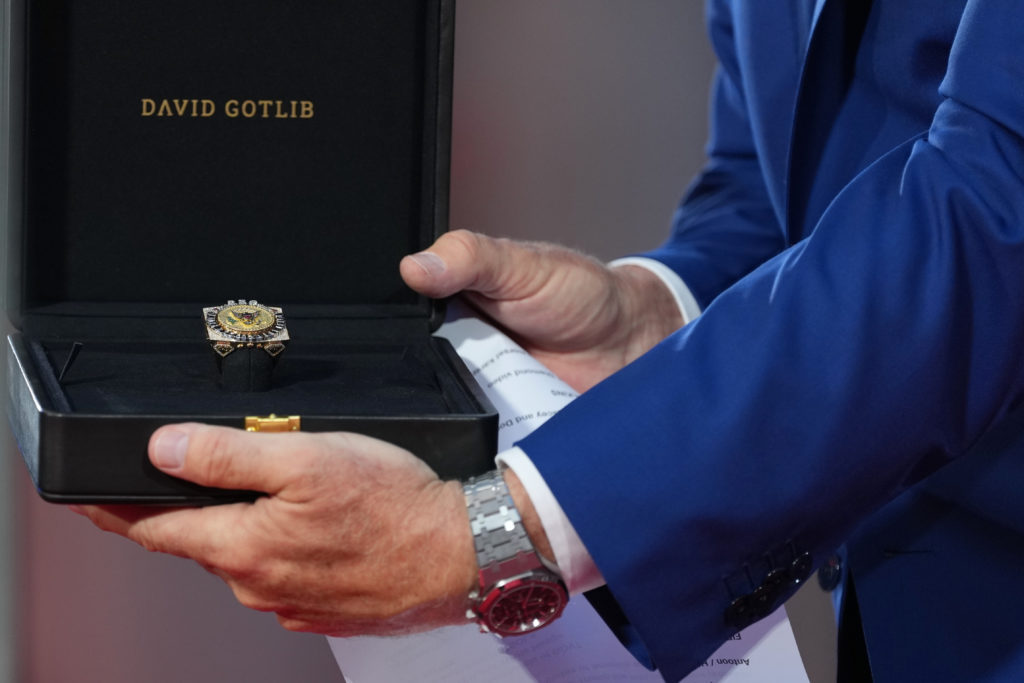
A Belgian diamond industry group has presented a lavish ring to former U.S. President Donald Trump. This gesture follows the industry's successful effort to obtain tariff relief from the United States. The gift highlights the significant role that high-value, often extravagant, gifts play in attempts to gain favor with the U.S. president. Such practices offer a glimpse into the dynamics of lobbying and influence peddling within international trade relations. The specific value and details of the ring have not been disclosed, but its presentation underscores the importance of personal relationships in shaping trade policy. This event raises questions about the ethical implications of such exchanges and their potential impact on fair trade practices. The diamond industry, a significant global business, often engages in sophisticated lobbying efforts to protect its market interests. The tariff relief obtained by the Belgian group suggests a successful outcome for their advocacy. The gifting of the ring can be seen as a symbolic gesture of appreciation and a continued effort to maintain influence.
The presentation of a valuable gift to a former president by an industry group that recently benefited from policy changes warrants scrutiny. This situation exemplifies how economic actors may leverage personal relationships and material gestures to influence political outcomes and secure favorable trade conditions. Such practices can create perceptions of undue influence and potentially undermine the principle of policy-making based solely on national interest and merit. Examining the incentive structures at play reveals a dynamic where industry groups seek to cultivate goodwill and access, while political figures may be motivated by various factors, including the symbolic affirmation of their past actions. Moving forward, clear ethical guidelines and transparency mechanisms are crucial to ensure that trade policies are determined by objective economic considerations rather than the appearance or reality of preferential treatment.
AI-generated to prompt reflection — not editorial opinion, not advice, not a statement of fact. How this works.