Belgium Faces Frigate Delivery Crisis with Damen, Seeks Alternatives
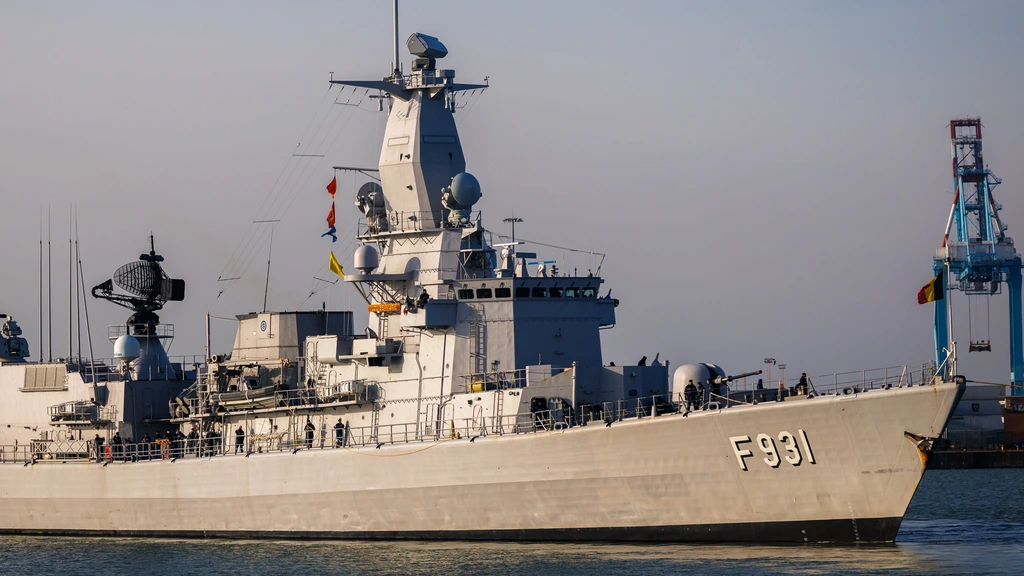
Belgium is experiencing significant difficulties due to delays in the delivery of new frigates from Dutch shipbuilder Damen, prompting Defense Minister Francken to explore alternative options. This situation poses a challenge to the long-standing Belgian-Dutch naval cooperation, known as BeNeSam, which involves shared headquarters, training, and even uniforms. In 2018, both nations jointly procured six mine countermeasures vessels and two frigates each for over four billion euros. While Belgium sourced its minehunters from France, the frigates for both countries were ordered from Damen in Gorinchem, Netherlands. The Belgian frigates, essential for national defense and international missions, are urgently needed as the two existing vessels, Leopold 1 and Louise-Marie, are nearing the end of their operational lifespan since the 1990s. Initial delivery was slated for 2027, then pushed to 2031, and now expected around 2034, with costs escalating from 600 million to nearly 1.3 billion euros. These delays, partly due to design modifications, risk leaving Belgium without operational frigates by 2034, jeopardizing its ability to participate in missions and potentially leading to technical staff idleness. To avert this crisis, Minister Francken plans to contact other shipbuilding nations like France, Germany, and Turkey, though he ideally prefers to remain with Damen to preserve the interoperability with the Dutch navy. This move also serves as a potential negotiation tactic to secure discounts or temporary vessel solutions from the Netherlands. Damen, which is also facing project issues with Germany, remains largely silent on the matter, though it's suggested that the Netherlands could absorb Belgium's order if they withdraw, or Damen might secure orders for simpler, less expensive frigates.
The Belgian frigate procurement delay highlights systemic challenges in complex defense manufacturing, where extended timelines and escalating costs are increasingly common. This situation underscores the tension between national defense needs and the realities of industrial capacity and project management. Belgium's exploration of alternative suppliers, while pragmatic, risks disrupting the established BeNeSam naval cooperation, a strategic asset built on interoperability. The incident prompts consideration of how long-term defense partnerships can be structured to mitigate risks associated with single-source suppliers and evolving geopolitical demands. Future defense procurement strategies may need to incorporate greater flexibility, contingency planning for supplier failures, and potentially diversified sourcing to ensure operational readiness and maintain strategic alliances in an era of rapid technological advancement and global supply chain volatility.
AI-generated to prompt reflection — not editorial opinion, not advice, not a statement of fact. How this works.