Belgium's Defensive Tactics Frustrate Spain in Football Match
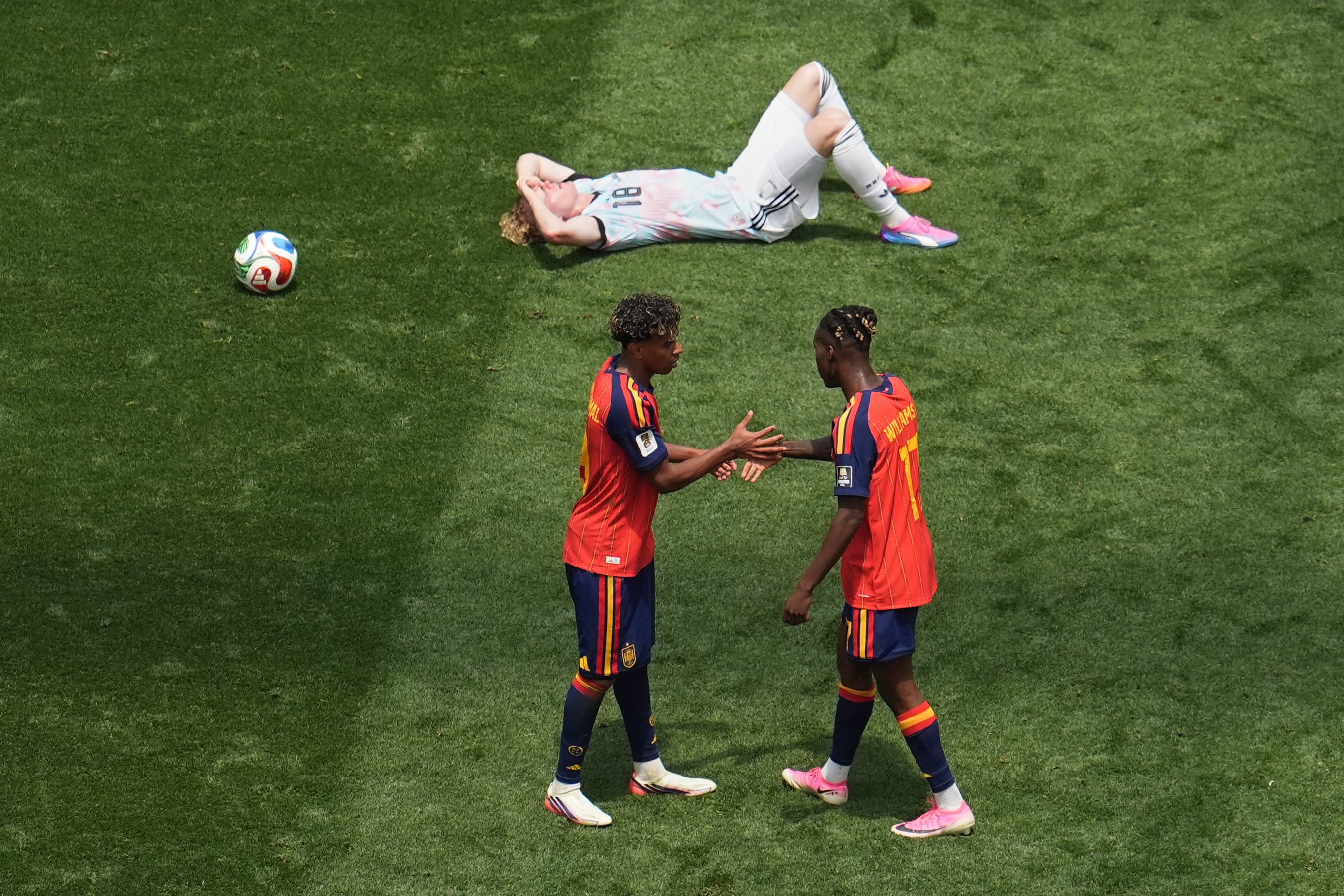
Following France, Belgium had been the second-highest scoring team in the tournament. However, in their match against Spain, they adopted a defensive strategy, likened to a "false Paraguay." This approach involved waiting for a single opportunity to score against Spain, rather than engaging in a more offensive play. The team's performance was characterized by a passive stance, prioritizing defensive solidity over attacking initiative. This tactical choice significantly altered their typical high-scoring game. The outcome suggests a deliberate strategy to counter Spain's strengths through a more cautious and opportunistic approach.
Belgium's tactical shift from their usual high-scoring approach to a more defensive posture against Spain highlights the strategic complexities of international football. This decision reflects an incentive structure where avoiding defeat and capitalizing on limited chances can be prioritized over maintaining offensive momentum, especially against a strong opponent. The comparison to "false Paraguay" suggests a perception of overly conservative play. Looking ahead, teams will increasingly leverage advanced analytics to identify opponent weaknesses and optimize tactical flexibility, potentially leading to more varied and unpredictable game plans. The effectiveness of such defensive strategies will be tested against evolving offensive systems in the AI era.
AI-generated to prompt reflection — not editorial opinion, not advice, not a statement of fact. How this works.