Bellingham Clarifies Tense Exchange with Messi After 2026 World Cup Semi-Final
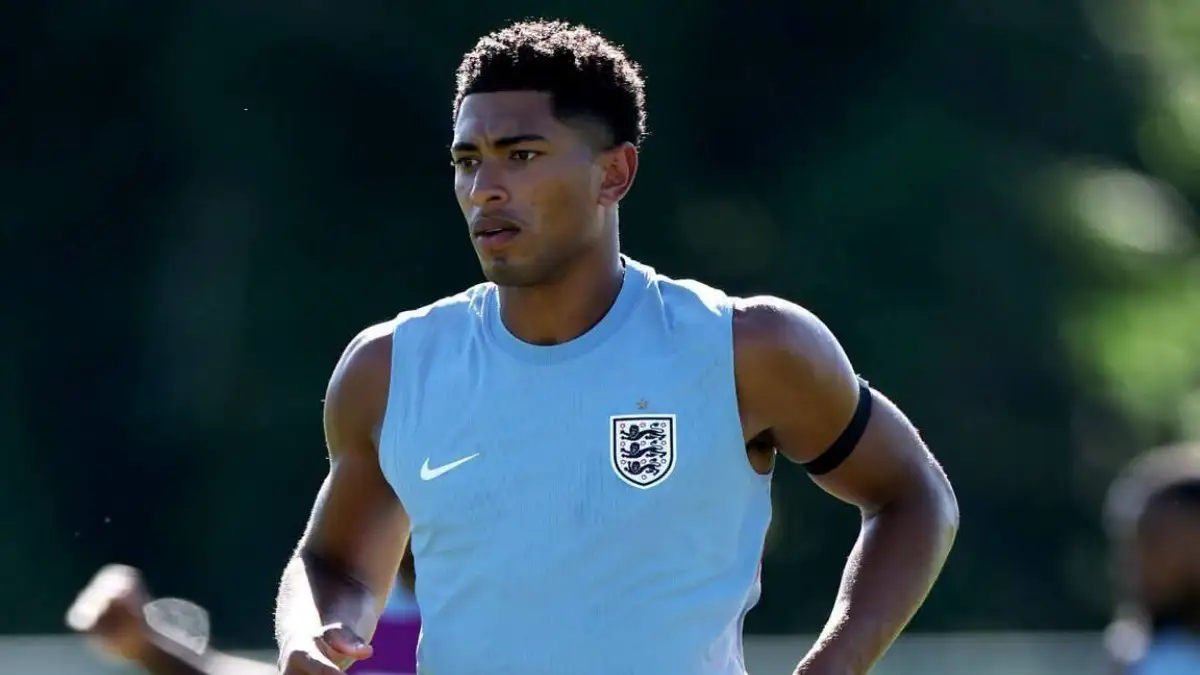
England midfielder Jude Bellingham has addressed his interaction with Argentina captain Lionel Messi following the 2026 World Cup semi-final on July 15th. Bellingham stated that there was no significant tension between himself and the Argentine star, despite a moment that quickly gained attention online. He explained that his words to Messi were intended as encouragement and a gesture of respect. Bellingham emphasized that he holds Messi in high regard and wished him well, even though they were opponents on the field. The exchange occurred shortly after the match concluded, which saw Argentina emerge victorious. Bellingham's comments aim to dispel any rumors of animosity between the two prominent football figures. He reiterated his admiration for Messi's career and contributions to the sport. The incident highlights the intense emotions that can arise during high-stakes international competitions. Bellingham's clarification seeks to provide context and prevent misinterpretation of the interaction.
The interaction between Jude Bellingham and Lionel Messi, occurring in the immediate aftermath of a high-stakes World Cup semi-final, illustrates the potent emotional dynamics inherent in elite professional sports. Bellingham's public clarification, framed as a gesture of respect and encouragement, serves to manage public perception and maintain professional decorum. This event underscores the intense scrutiny faced by global athletes, where even brief exchanges can be amplified and subject to wide interpretation. In the context of evolving sports media and fan engagement, such moments highlight the ongoing tension between authentic on-field emotion and the curated public image athletes are expected to project. Future athlete interactions in competitive environments will likely continue to be analyzed through the lens of sportsmanship, personal branding, and the broader narrative of athletic rivalries.
AI-generated to prompt reflection — not editorial opinion, not advice, not a statement of fact. How this works.