Belo Horizonte City Council Approves 138 Laws, Nearly Half Are Ceremonial
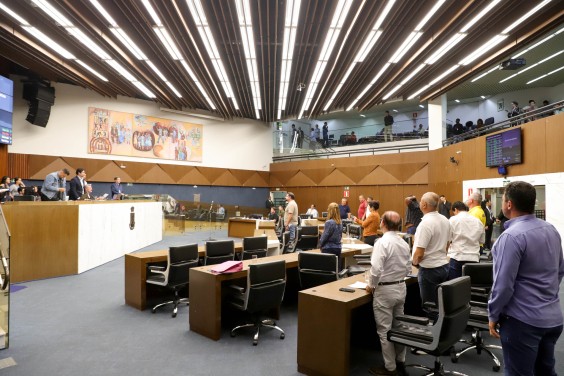
In the first seven months of 2026, the Belo Horizonte Municipal Chamber (CMBH) passed 138 laws, with nearly half focusing on non-essential matters. Specifically, 60 of these laws relate to tributes, renaming public spaces, and establishing commemorative dates, rather than addressing public services, urban regulations, or municipal policies. Of these, 29 laws involved renaming streets, squares, and viaducts, while 21 created new commemorative days or awareness weeks. Additionally, four laws instituted municipal seals, three recognized cultural significance of local festivals, and three established general rules or prohibitions. One resident, Maria das Dores Teixeira, reported difficulties with utility services after her street's name was changed, highlighting potential practical issues arising from such legislative changes. Experts also noted that 14 laws passed this year raise legal questions, either by duplicating existing higher-level legislation or by proposing measures that are difficult to implement. An example cited is a municipal law protecting security guards, which reiterates criminal offenses already covered by the Penal Code and adds administrative fines. Public Law professor Raimundo Cândido Neto emphasized that legislative productivity should not be solely measured by the number of laws passed, suggesting that time could be better spent on proposals addressing critical issues like urban mobility. All legislative proposals undergo a similar procedural review, regardless of their subject matter, consuming significant time and resources. Political Science professor Oswaldo Dehon stressed the importance of citizen oversight and engagement in demanding high-quality, constitutional legislation that aligns with municipal and federal laws.
The legislative output of the Belo Horizonte Municipal Chamber, as reported, reveals a significant allocation of resources towards ceremonial and symbolic legislation rather than substantive policy. This pattern suggests a potential disconnect between the legislative body's activities and pressing civic needs, such as urban mobility and development. The process, which treats all bills uniformly regardless of impact, may incentivize the passage of less consequential measures due to procedural ease. Such a focus could divert attention from complex challenges, potentially impacting the city's long-term development trajectory. Future governance models might benefit from tiered legislative processes that prioritize impactful policy, alongside mechanisms for greater public input on the substance of proposed laws, ensuring that legislative efforts align with demonstrable public benefit and address systemic urban issues.
AI-generated to prompt reflection — not editorial opinion, not advice, not a statement of fact. How this works.