Belo Horizonte City Council Approves 2027 Budget Guidelines with R$308.7 Million Deficit
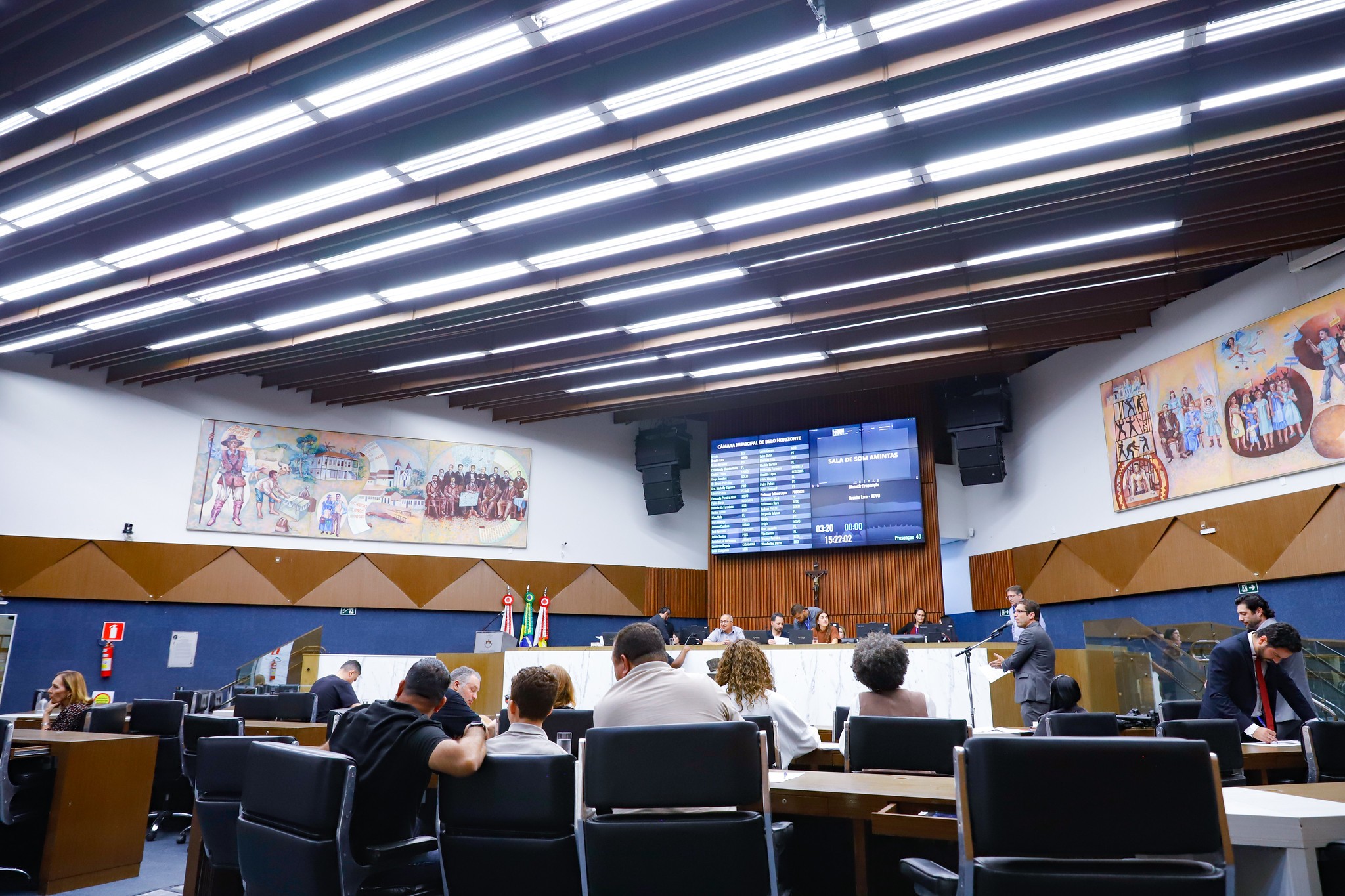
The Belo Horizonte City Council has approved the 2027 Budget Guidelines Law (LDO), which forecasts a deficit of R$308.744 million for the upcoming year. The proposal, submitted by the city's administration, projects primary revenues to reach R$21.653 billion and primary expenses to total R$21.962 billion. The LDO is a crucial component of the annual budgetary cycle, establishing the public administration's priorities and goals for the following year and serving as the foundation for the Annual Budget Law (LOA). During the approval process, council members passed 83 amendments and 40 sub-amendments, while rejecting 68 others. The bill, having passed its single reading, will now proceed to Mayor Álvaro Damião (União Brasil) for sanction or veto after the final wording is prepared.
Regarding revenue, the city administration anticipates collecting R$8.504 billion from taxes, fees, and improvement contributions in 2027. The largest contributions are expected from the Tax on Services of Any Nature (ISSQN), estimated at R$3.983 billion, and the Urban Property and Land Tax (IPTU), projected at R$2.503 billion. Current transfers, including funds like the Municipalities Participation Fund (FPM) and the Tax on Circulation of Goods and Services (ICMS), are expected to generate R$10.693 billion. On the expenditure side, personnel costs and social charges are the most significant items, estimated at R$8.367 billion. Investments in health are allocated 32.94% of the municipal budget, followed by education at 17.55% and social security at 9.98%. The LDO also outlines the city's priorities in education, security, urban mobility, and housing, focusing on improving primary and specialized healthcare access, enhancing municipal education quality, and promoting violence prevention policies.
The approval of Belo Horizonte's 2027 Budget Guidelines Law, despite a projected R$308.7 million deficit, highlights a common fiscal challenge faced by municipal governments. The allocation of significant portions of the budget to personnel, health, and education indicates a commitment to essential public services. However, the projected deficit suggests potential strains on future service delivery or the need for increased revenue generation or expenditure control. As cities navigate evolving economic landscapes and increasing demands on public services, balancing immediate needs with long-term fiscal sustainability will be critical. Future budgetary cycles may require innovative approaches to revenue diversification and efficiency improvements to mitigate such shortfalls and ensure the continued provision of vital public goods.
AI-generated to prompt reflection — not editorial opinion, not advice, not a statement of fact. How this works.
