Belo Horizonte City Council to Vote on New Impeachment Case Against Councilman Lucas Ganem
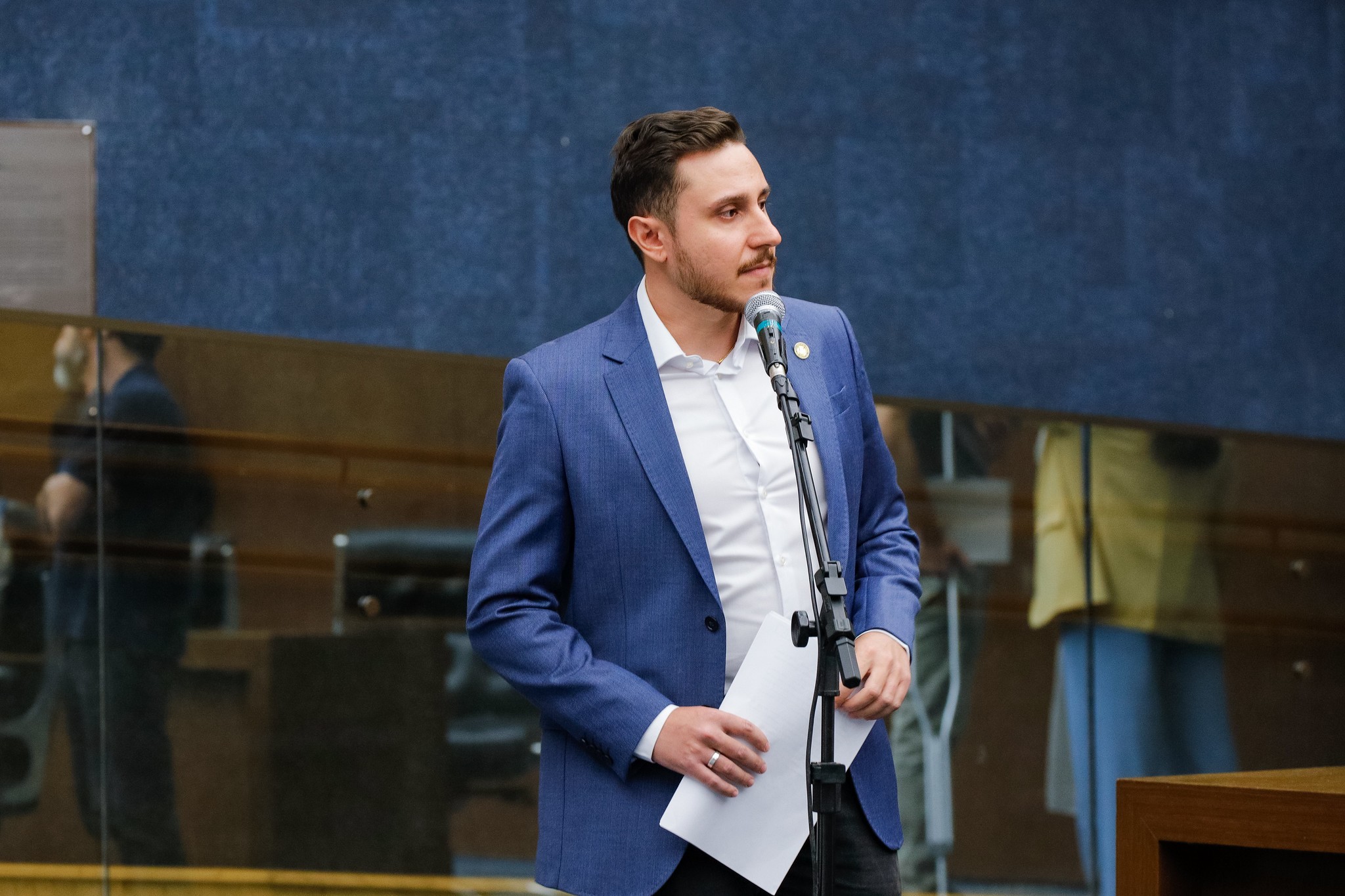
The Belo Horizonte Municipal Chamber is scheduled to vote on Tuesday, the 14th, on whether to initiate a new impeachment process against councilman Lucas Ganem (MDB). This decision comes just four days after a previous impeachment case against him was dismissed. The new complaint, received on Monday, the 13th, by the Chamber's president, Juliano Lopes (Podemos), alleges fraud in Ganem's declaration of electoral domicile and the improper use of public advisors. The representation, filed on Friday, the 10th, by Daniela Conceição de Sousa, claims Ganem falsely transferred his electoral domicile to Belo Horizonte in February 2024. The accuser also alleges Ganem misused public funds by hiring advisors based in São Paulo. If the complaint is accepted by the council members, a special commission will be formed to investigate, with a deadline of up to 90 days for its conclusion. This follows a prior impeachment attempt in December 2025, which was also based on alleged fraud in electoral domicile declaration. That process was ultimately archived by the Chamber on July 10th, following a judicial decision by the Court of Justice of Minas Gerais (TJMG) that cited the procedural deadline being exceeded. Separately, an inquiry by the Federal Police, supported by the Public Prosecutor's Office for Elections (MPE), investigated Ganem for allegedly making a false declaration of electoral domicile when moving his registration from São Paulo to Belo Horizonte in February 2024. The MPE contended he did not reside at the declared address during his candidacy and only moved to Belo Horizonte after his election, while also maintaining formal employment in Curitiba. The MPE had sought Ganem's removal from office, a ten-year suspension of his political rights, and a fine of R$1.5 million for collective moral damages. A first-instance court had ordered Ganem's removal from office in December 2025, but he remained in his position pending final appeals.
This situation highlights the complex interplay between political accountability and procedural due process within municipal governance. The repeated allegations against Councilman Ganem, concerning electoral domicile and resource management, suggest potential systemic vulnerabilities in verifying candidate residency and the oversight of public advisor employment. The legal challenges and subsequent dismissals, often hinging on procedural technicalities like exceeding deadlines, raise questions about the efficacy of existing impeachment mechanisms in addressing substantive allegations. Future reforms might consider streamlining these processes while ensuring robust safeguards against politically motivated accusations. The recurring nature of these issues prompts reflection on the incentives for transparency and adherence to electoral and administrative laws among elected officials, particularly in the context of evolving electoral landscapes and increased scrutiny.
AI-generated to prompt reflection — not editorial opinion, not advice, not a statement of fact. How this works.