Belo Horizonte City Hall Probes R$4.06 Million Cost Increase in Road Project
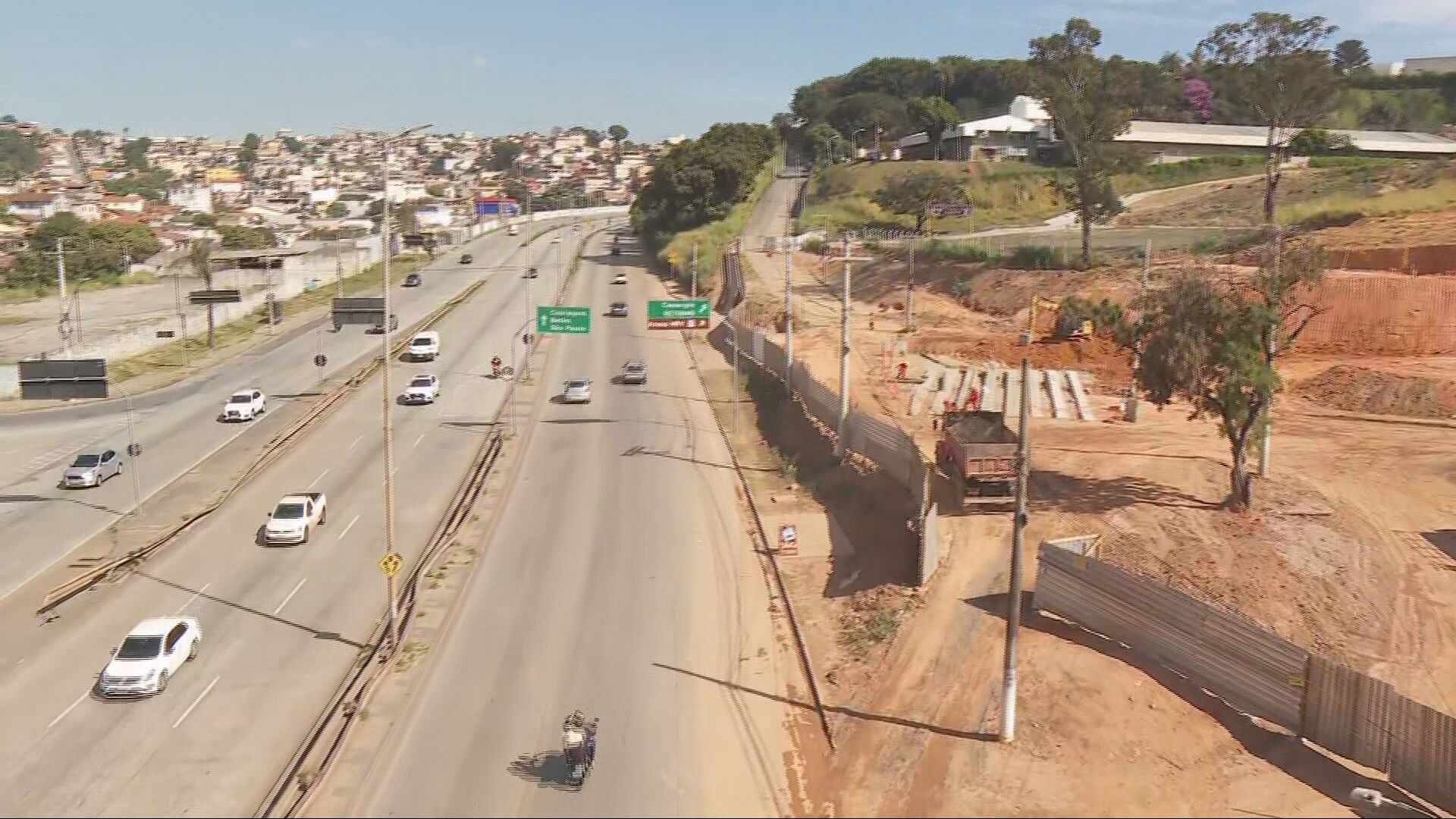
Belo Horizonte City Hall (PBH) will investigate a R$4.06 million increase in the cost of road infrastructure works at the intersection of Via Expressa and Anel Rodoviário. The contract amendment, published on July 9, has prompted the Superintendency for Capital Development (Sudecap) to establish a three-person commission to examine the reasons behind the additional expenditure. This commission has 90 days to complete its investigation.
The original contract, signed on October 31, 2025, with the Consórcio Infraestrutura Viária, was for R$32.6 million. The recent amendment raises the total project cost to R$36.7 million. According to the amendment's publication, the cost overrun is attributed to technical revisions, project updates, executive completions, and adjustments to the contractual spreadsheet.
The project aims to enhance the connection between Anel Rodoviário and Via Expressa, facilitating uninterrupted vehicle flow towards Via Expressa. Key components include the expansion of Rua Augusto Ferreira to two lanes, the implementation of a drainage system, and the construction of an underpass at the intersection with Rua Romualdo Cançado Neto, which will also be widened to two lanes. Road closures for these interventions began on May 23, 2026, with the project's completion anticipated in the second half of 2027.
The Belo Horizonte City Hall's investigation into a significant cost increase for a public infrastructure project highlights common challenges in municipal project management. Such overruns can stem from various factors, including initial underestimation, scope creep, unforeseen technical complexities, or fluctuations in material and labor costs. The establishment of a commission to review the 'celebration of the amendment' suggests a procedural review aimed at ensuring accountability and identifying potential governance gaps. Moving forward, robust project planning, transparent procurement processes, and proactive risk management frameworks will be crucial to mitigate future cost escalations and ensure efficient allocation of public funds, particularly as urban development demands intensify in the coming decade.
AI-generated to prompt reflection — not editorial opinion, not advice, not a statement of fact. How this works.