Belo Horizonte 'Goodnight Cinderella' Scam: Two Men Lose Nearly $100,000
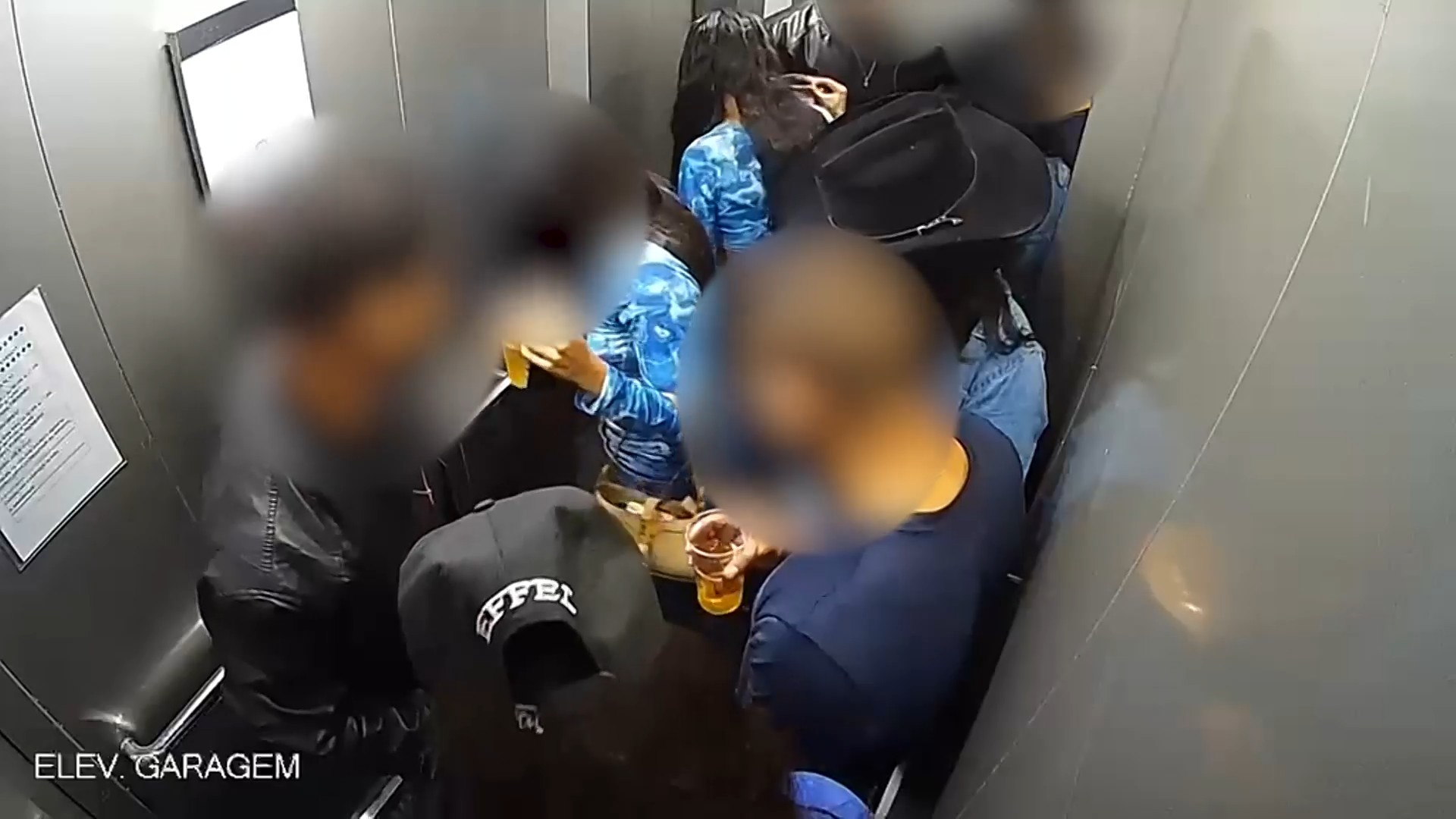
Two men in Belo Horizonte, Brazil, reported being victims of the "Goodnight Cinderella" scam after meeting three women in a bar on Tuesday, September 15th. The victims claim they lost consciousness after consuming drinks with the women, only waking up the next morning to discover their belongings stolen. The stolen items included cell phones, credit cards, a gold chain, and other personal effects.
Beyond the physical theft, the perpetrators allegedly accessed the victims' bank accounts, initiating Pix transfers and making purchases that escalated the total loss to nearly R$ 100,000 (approximately $19,000 USD). Security footage captured the group entering an apartment building together early Wednesday morning, September 16th. Later footage showed women using the victims' credit cards at shops in a popular downtown mall. Investigators believe the suspects may have borrowed the victims' unlocked phones before they lost consciousness, potentially altering facial recognition settings to access banking apps. The Civil Police have identified the three women but have not yet made any arrests, and the investigation is ongoing.
This incident highlights a sophisticated criminal operation exploiting social interaction and digital vulnerabilities. The "Goodnight Cinderella" modus operandi, involving incapacitation through substances, is amplified by the alleged manipulation of mobile device security features. This suggests a growing trend where physical theft is augmented by digital fraud, leveraging access gained during the initial crime. The substantial financial loss underscores the critical need for enhanced personal security awareness, particularly concerning the sharing of personal devices and the consumption of beverages in unfamiliar social settings. Future security protocols may need to address the intersection of physical incapacitation and digital access, prompting a re-evaluation of how biometric security can be bypassed in such scenarios and the systemic risks associated with rapid digital financial transactions.
AI-generated to prompt reflection — not editorial opinion, not advice, not a statement of fact. How this works.