Belo Horizonte Metro Line 2 Opens Two Stations, Phased Completion Expected by 2028
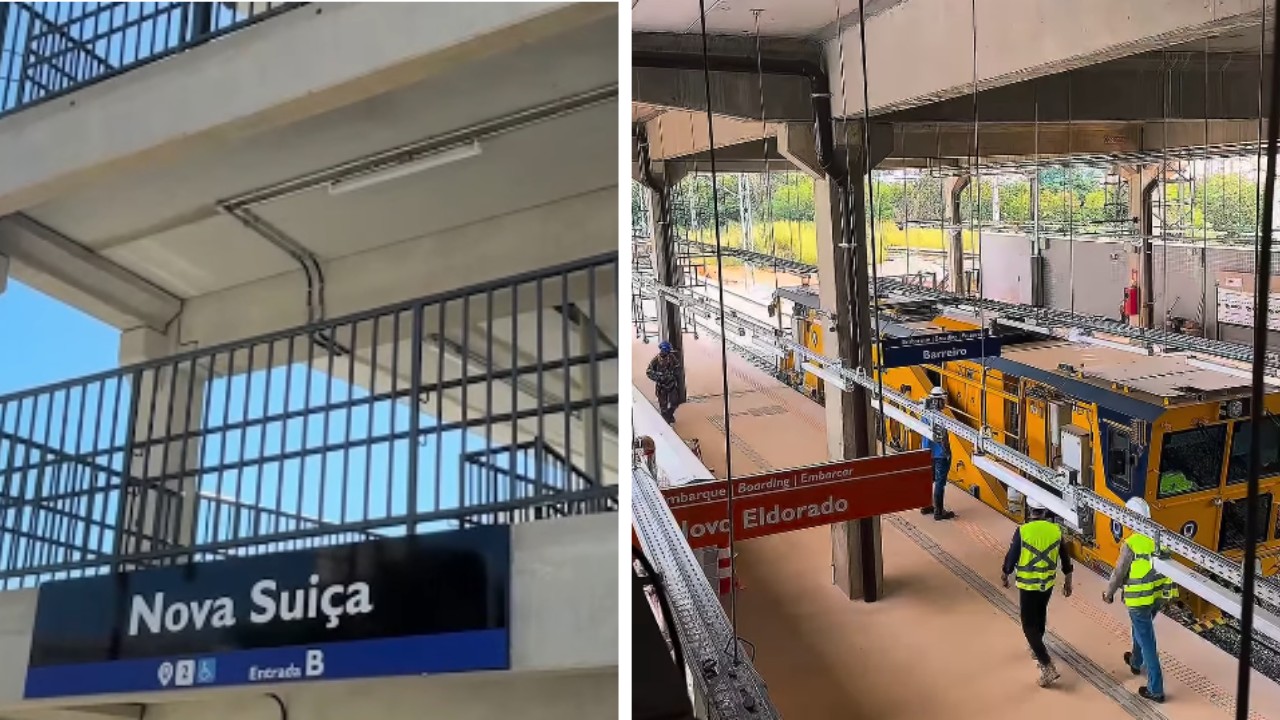
The concessionaire Metrô BH has inaugurated two new stations, Nova Suíça and Amazonas, on Line 2 of the Belo Horizonte Metropolitan Region (RMBH) subway system. The opening, which occurred on Friday, March 3rd, is partial to allow ongoing construction and testing of remaining systems. These initial stations are located in the western region of Belo Horizonte. The full completion of Line 2 will be gradual, with the Nova Gameleira, Nova Cintra, and Vista Alegre stations slated for operation in 2027. Full operational capacity for the line, including the Ferrugem and Barreiro stations, is anticipated by 2028. An investment of R$142.7 million was made for the first two stations, with R$99.7 million allocated to Nova Suíça and R$43 million to Amazonas. Initially, from July to September, these stations will operate weekdays only from 9 AM to 4 PM. In October, operating hours will extend to regular weekday service (5:15 AM to 11 PM), excluding weekends. Full daily operation, from 5:15 AM to 11 PM, is scheduled to begin in November 2026. Upon completion, Nova Suíça station is projected to serve approximately 40,000 passengers daily. The fare for the new stations remains consistent with Line 1, recently increased to R$6.00 from R$5.80, an adjustment approved by the State Secretariat of Infrastructure, Mobility and Partnerships (Seinfra) in accordance with the concession contract signed in March 2023.
The phased opening of Belo Horizonte's Metro Line 2 reflects a common infrastructure development strategy balancing immediate service needs with the complexities of large-scale construction and funding. This approach allows for early revenue generation and user benefits while managing project timelines and resource allocation. The fare increase, tied to the concession contract, highlights the financial mechanisms underpinning public-private partnerships in transportation, necessitating careful oversight to ensure equitable service and value for public funds. As urban mobility evolves with technological advancements, the long-term success of such projects will depend on their adaptability to changing passenger demands and integration with broader smart city initiatives, ensuring efficient and sustainable transit solutions for the next decade.
AI-generated to prompt reflection — not editorial opinion, not advice, not a statement of fact. How this works.