Belo Horizonte Metro Operator Fined for Fire Safety Violations
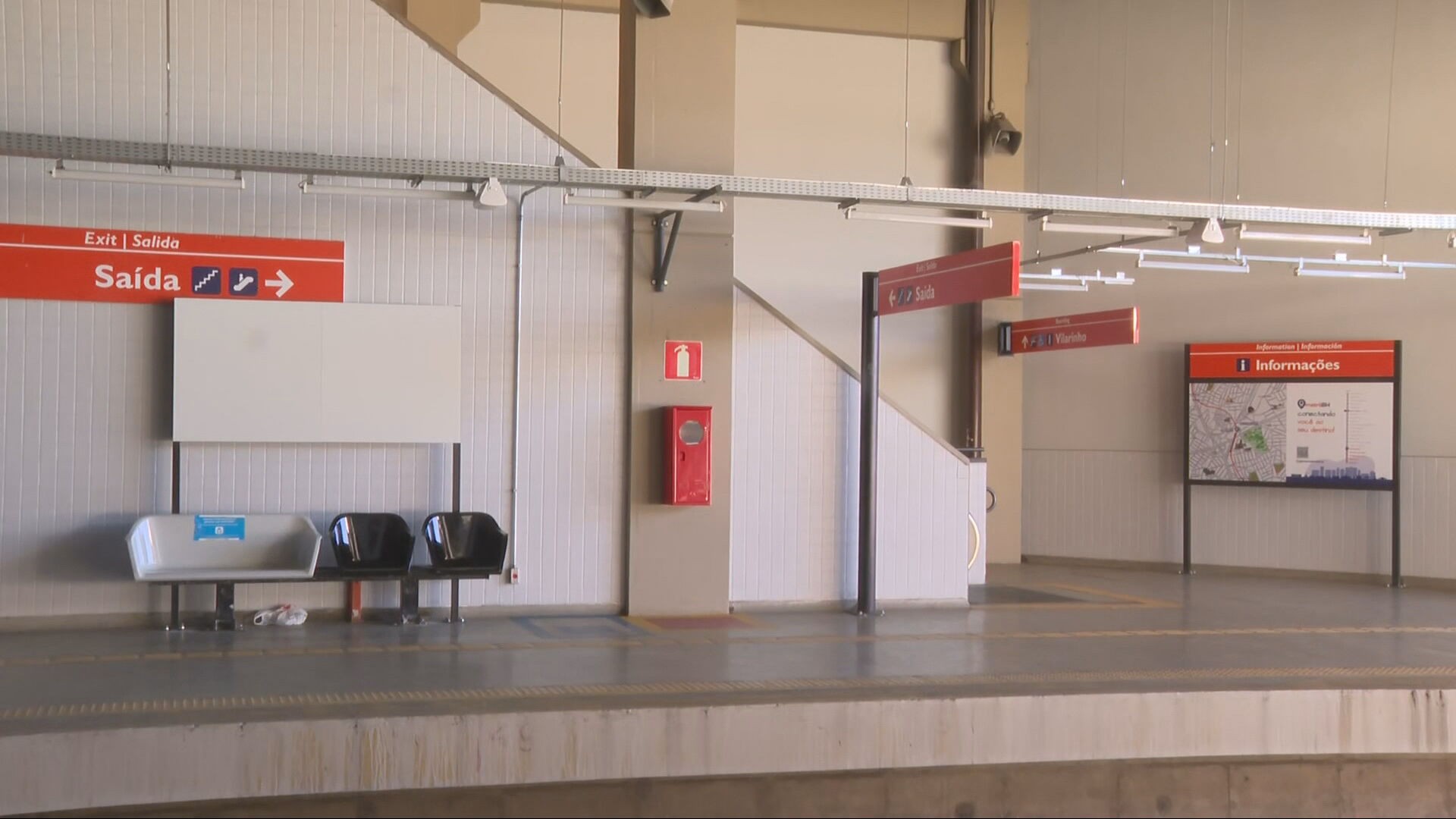
Metrô BH, the concessionaire operating the metro system in Belo Horizonte and its metropolitan region, has been fined R$27,700 by the Fire Department for failing to comply with fire safety regulations in its stations. The fine, published in the State Official Gazette on Wednesday, October 15th, stems from an inspection that revealed inadequate maintenance of safety equipment and the alteration or removal of legally required items. According to the publication, the infractions persisted for over 60 days after an initial written warning was issued. Failure to rectify these issues could lead to further penalties, including the revocation of the Fire Department's inspection permit, embargo, or even station closure. Investigations by TV Globo highlighted specific problems, such as empty fire extinguisher compartments despite signage and the absence of hydrants and emergency exits at the São Gabriel station. An engineer emphasized that these safety measures are crucial for protecting lives and property, urging investment in prevention. Metrô BH stated it is reviewing the notification and is committed to addressing the concerns, while the Minas Gerais State Secretariat of Infrastructure and Mobility (Seinfra-MG) has also formally notified the company to provide explanations and implement necessary corrective actions. The concessionaire has the option to request an extension for corrections, and the process will conclude once compliance is verified.
The fine imposed on Metrô BH underscores a critical tension between operational efficiency and public safety mandates within privatized public transit infrastructure. While the concessionaire cites a commitment to safety, the repeated violations and subsequent penalties suggest potential systemic issues in oversight, resource allocation for maintenance, or adherence to regulatory standards. The Fire Department's actions highlight the importance of robust, independent inspection regimes to ensure that essential safety equipment is not merely present but functional and accessible. Moving forward, the focus should be on establishing clear performance metrics and accountability mechanisms that incentivize proactive safety management rather than reactive compliance, particularly as urban transit systems face increasing demands and potential risks in an evolving technological landscape.
AI-generated to prompt reflection — not editorial opinion, not advice, not a statement of fact. How this works.