Belo Horizonte Residential Rents Rise 4.4% in First Half, Outpacing Inflation
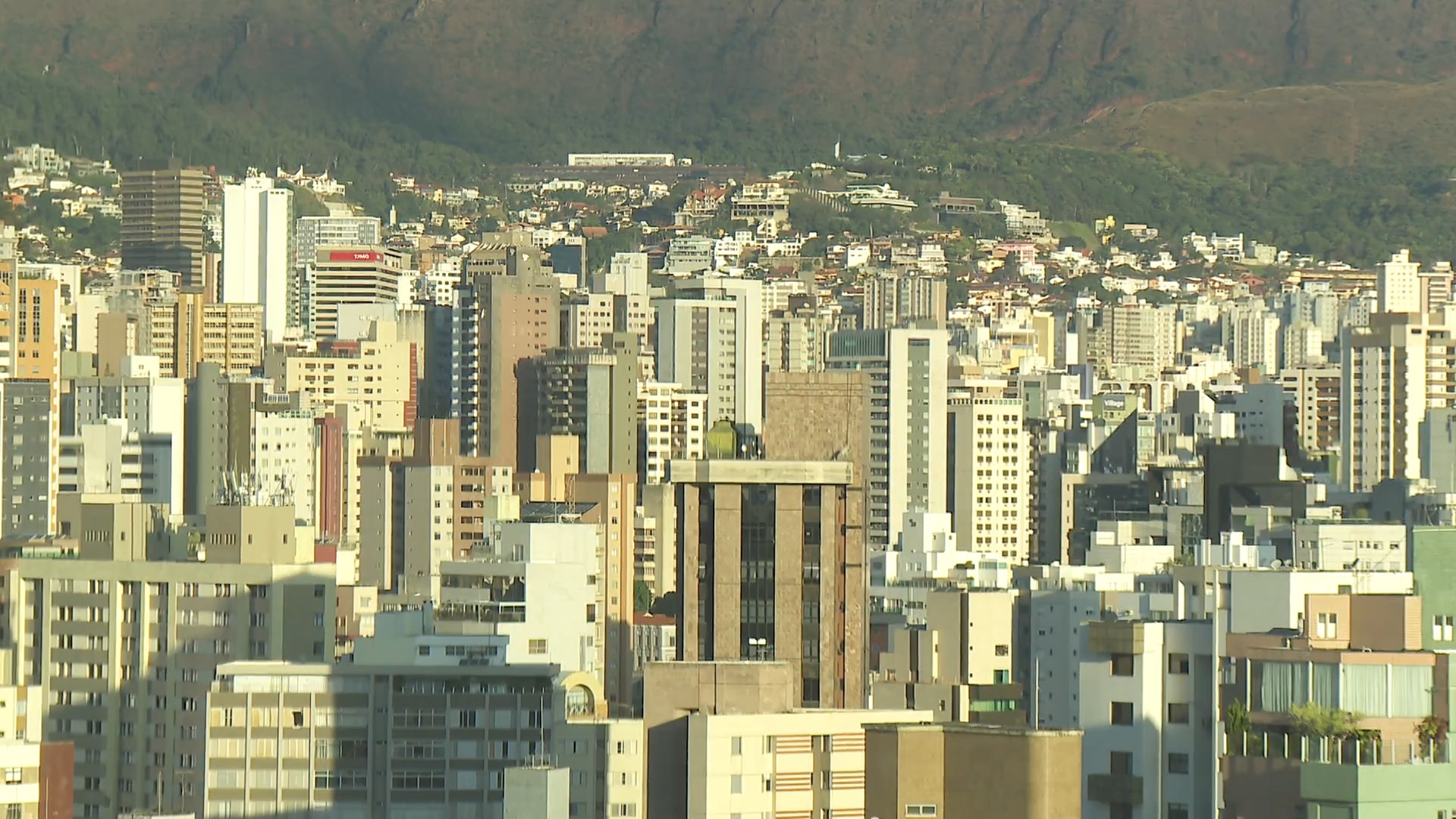
Residential rental prices in the Belo Horizonte Metropolitan Region saw a significant increase of 4.4% during the first half of the year, according to the FipeZAP Index. This growth rate surpassed the period's inflation rate of 3.2%, indicating a real increase in rental costs. The average price for residential rent in Belo Horizonte reached R$ 50.13 per square meter. Among the most expensive neighborhoods for renting in the capital are Santo Agostinho (R$ 73.70/sqm), Savassi (R$ 69.40/sqm), and Belvedere (R$ 67.40/sqm).
Real estate manager Eduardo Luiz attributes the rent hikes to an imbalance between supply and demand, with more people seeking rentals than available properties. He also noted a shift in tenant preferences towards compact apartments and condominiums offering shared services like laundry and gyms, a demand that current supply in Belo Horizonte has not met. This scarcity of desired housing types contributes to the upward pressure on prices.
In response to rising costs, many residents are expanding their search areas, prioritizing rental price over immediate location and considering more distant neighborhoods or even cities within the metropolitan region. Some tenants, like public servant Arthur Nunes Cascardo, are finding it difficult to secure affordable housing, even for small units without parking. The escalating rental expenses are also prompting some individuals, such as chef Uando Ferreira, to accelerate plans to purchase their own homes to avoid continuous rent increases and achieve a return on investment.
The surge in Belo Horizonte's rental market, exceeding inflation, reflects a classic supply-demand dynamic exacerbated by evolving housing preferences. As urban populations grow and lifestyle expectations shift towards convenience and shared amenities, the existing housing stock may not adequately adapt. This creates an incentive for developers to focus on new construction that meets these contemporary demands, potentially addressing the supply-demand gap over the medium term. However, the current affordability crisis, forcing residents to seek housing further from employment centers, highlights potential future challenges in urban sprawl and transportation infrastructure. Policymakers might consider incentives for diverse housing development and explore zoning reforms to facilitate the creation of more varied and accessible rental options, balancing market forces with social equity and sustainable urban planning.
AI-generated to prompt reflection — not editorial opinion, not advice, not a statement of fact. How this works.