Belo Horizonte Residents Report Surge in Daytime Home Invasions
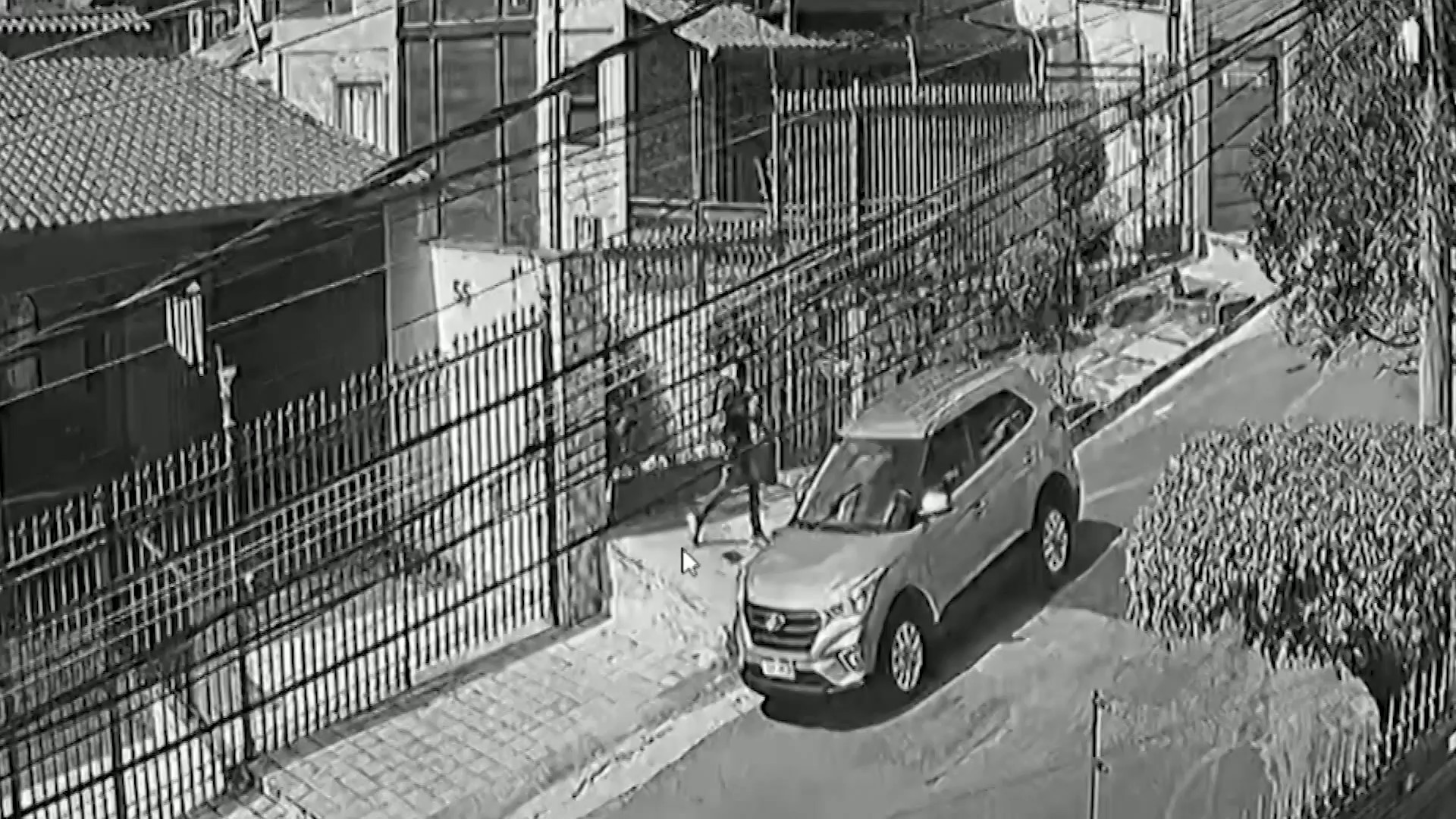
Residents in the Barreiro and Pampulha regions of Belo Horizonte, Brazil, are reporting a significant increase in daytime home invasions over recent months, leading to a heightened sense of insecurity. Criminals are reportedly breaking into houses even when equipped with security systems like surveillance cameras and electric fences. One resident in Morro dos Gatti, Barreiro, described her home being ransacked about 15 days prior, with thieves disabling the monitoring system and stealing jewelry, perfumes, and watches, including items of significant sentimental value. Another resident in the same neighborhood recounted an incident where intruders surprised her son and daughter-in-law, locking them in a room while they stole electronics and other belongings. This victim has reinforced her home security but remains concerned about future incidents. In the Itapoã neighborhood, Pampulha, a similar pattern has emerged, with a couple captured on camera disabling a home's power before returning later to break in and steal clothing, shoes, and cell phones while the family was away. This victim noted the thieves specifically targeted their bedroom. Residents estimate at least eight such cases have occurred in the past two months in these areas. In response, neighbors have formed communication networks to share information about suspicious individuals and vehicles and to alert the police more effectively, as they feel direct contact with law enforcement is not always timely. The Civil Police have stated they are investigating the Itapoã incident, but had not responded regarding the Barreiro case at the time of reporting. The Military Police had also not provided a statement regarding the residents' broader security concerns in both regions.
The reported increase in daytime residential burglaries in Belo Horizonte's Barreiro and Pampulha regions highlights a potential gap between perceived security measures and actual criminal effectiveness. The incidents suggest that criminals are adapting their tactics, potentially by disabling surveillance systems or exploiting vulnerabilities in security protocols, even when homes are otherwise fortified. This situation may reflect broader urban security challenges, where the efficacy of standard security installations is being tested by evolving criminal methodologies. Residents' self-organization into communication networks indicates a community-driven response to perceived shortcomings in official response times or capabilities, underscoring the importance of community vigilance and information sharing in addressing localized crime trends. Future urban planning and security strategies might need to consider more integrated approaches that combine technological solutions with community engagement and adaptive law enforcement responses to counter sophisticated criminal operations.
AI-generated to prompt reflection — not editorial opinion, not advice, not a statement of fact. How this works.