Belo Horizonte's Cristiano Machado Avenue to See Nightly Lane Closures for 15 Days
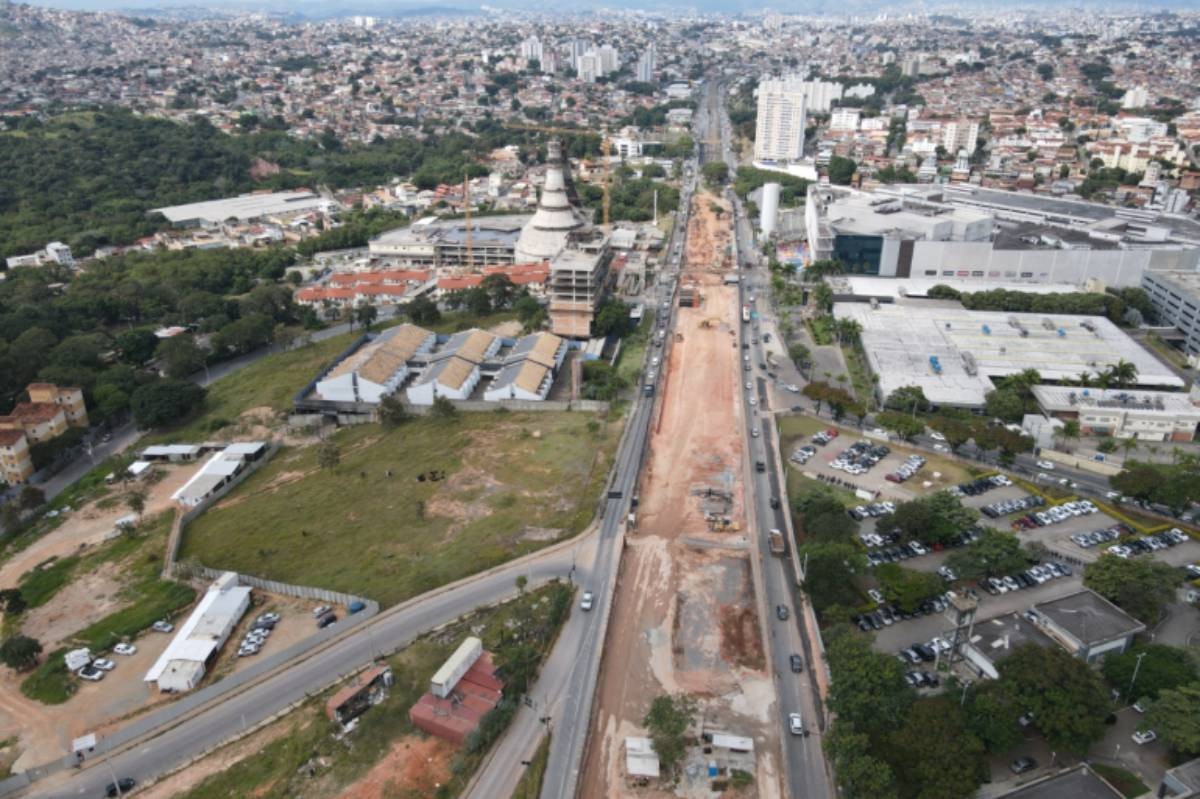
Starting Thursday, November 23rd, a section of Avenida Cristiano Machado, a major artery in Belo Horizonte, Brazil, will experience nightly traffic disruptions for approximately 15 days. The closures will occur from Monday to Friday, between 8 PM and 4 AM, affecting the stretch between Vilarinho Avenue and MG-10, specifically in the direction of the city center. These temporary blockades are essential for the advancement of construction work on a new underpass at the intersection with Avenida Vilarinho. The primary reason for the closures is the necessary adaptation of the gas network in the area, a critical step for the underpass project to proceed. This underpass is part of a larger initiative by the Prefeitura de Belo Horizonte (City Hall) to alleviate traffic congestion in the northern region of the capital. Traffic agents will be present to guide drivers and manage vehicle circulation during these periods. Weekend traffic will remain unaffected by these specific closures. The construction project for the underpass began in September 2025 and is slated for completion in the second half of 2028, with an investment of R$ 161.6 million. The comprehensive plan includes constructing an underpass up to 780 meters long, widening a viaduct, adding an acceleration lane, and improving drainage, lighting, paving, and landscaping. The disruptions will impact access to Estação BH Shopping and Hospital Risoleta Tolentino Neves, as well as public transportation and ride-sharing services. Bus stops near the shopping center will be temporarily deactivated, with affected lines rerouted to a temporary stop on Rua Malibu. Ride-sharing services are advised to use Rua Malibu for pick-ups and drop-offs, while mall patrons can also use an alternative pick-up point on the G2 level of the parking garage.
The implementation of nightly closures on Avenida Cristiano Machado highlights the common urban infrastructure challenge of balancing essential construction timelines with daily commuter needs. While the project aims to reduce long-term congestion, the immediate impact on traffic flow, public transport, and access to key facilities like a hospital and shopping center necessitates robust traffic management and clear communication. This situation underscores the need for integrated urban planning that anticipates and mitigates the ripple effects of major infrastructure projects, particularly in densely populated areas. Future urban development strategies should prioritize phased construction, advanced traffic modeling, and real-time public information systems to minimize disruption and ensure the efficient functioning of city services during extensive works.
AI-generated to prompt reflection — not editorial opinion, not advice, not a statement of fact. How this works.