Belo Horizonte's SAMUVet to Reduce Services for Staff Training
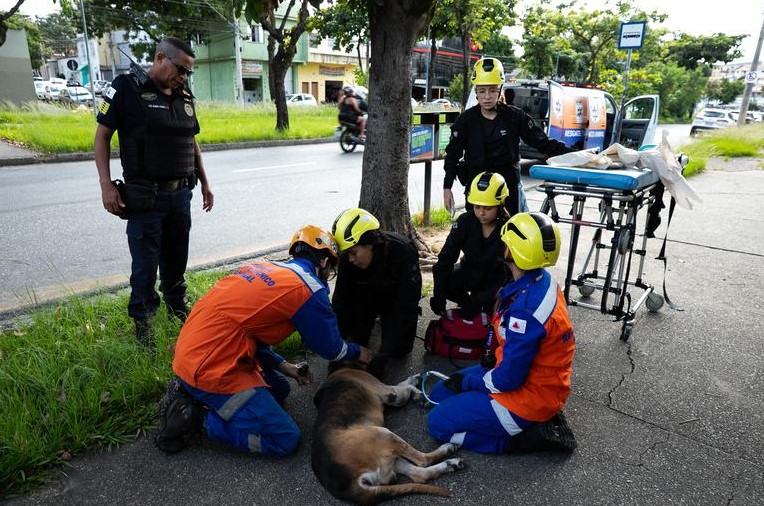
The Mobile Veterinary Emergency Service of Belo Horizonte (SAMUVet BH) will operate with reduced hours from July 30 to August 2. This temporary change is due to a mandatory training session for its staff, focusing on renewing certifications with the Military Fire Department of Minas Gerais. During these four days, emergency veterinary services will only be available between 9 PM and 5 AM, with operations suspended between 6 AM and 8 PM. The service is scheduled to resume its normal 24-hour operation on August 3. According to the Belo Horizonte City Hall, the training aims to update safety techniques and procedures, ensuring SAMUVet BH continues to provide high-quality care for the city's animals. SAMUVet BH specializes in assisting severely ill animals, those involved in accidents, or found in hazardous situations. Their teams are also equipped to handle emergencies in hard-to-reach locations, confined spaces, and situations requiring high-angle rescue techniques. Between April and June of this year, the service handled 374 calls, averaging approximately 125 incidents per month. In addition to emergency response, SAMUVet BH also facilitates the transport of critically ill animals to specialized facilities for ongoing treatment.
The temporary reduction in SAMUVet BH's operational hours highlights a common challenge in public service delivery: balancing immediate demand with the necessity of professional development and regulatory compliance. While essential for maintaining service quality and safety standards, such training can create service gaps. This situation underscores the importance of robust contingency planning for essential services, ensuring that critical functions remain accessible even during periods of staff training or certification renewal. Future planning could involve staggered training schedules or partnerships with external providers to mitigate service disruptions. The data on recent service utilization (374 calls in three months) indicates a consistent need for these specialized veterinary emergency services, reinforcing the impact of any service reduction on the community and animal welfare.
AI-generated to prompt reflection — not editorial opinion, not advice, not a statement of fact. How this works.