Belo Horizonte's 'Times Square' Project Advances with LED Panel Approval
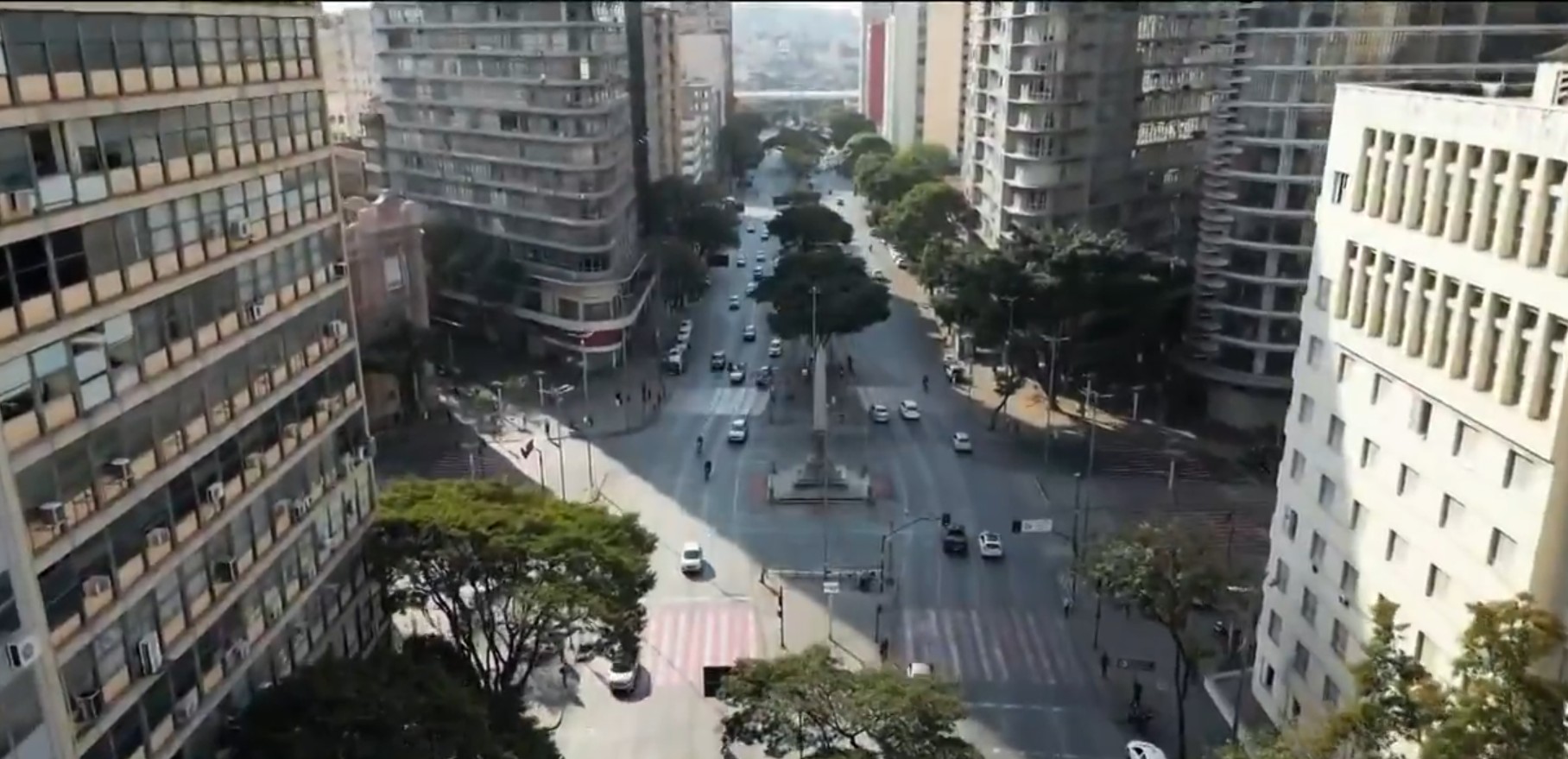
The Belo Horizonte Cultural Heritage Deliberative Council (CDPCM-BH) has approved a key opinion that allows for the installation of LED panels for the project dubbed 'Times Square of BH'. This initiative aims to display advertisements on large screens affixed to buildings surrounding Praça Sete, the central square of the Minas Gerais capital. The recent approval specifically greenlights luminous advertisements on the Helena Passig Building, the former Mineiro de Produção Bank now known as P7 Criativo, and the Brasil Palace Hotel. However, the installation is still contingent on favorable opinions from other bodies, including the Historical and Artistic Heritage Institute of Minas Gerais (Iepha-MG) and the Belo Horizonte Urban Regulation Subsecretariat. The 'Times Square' proposal, which became law in March 2025, has faced significant opposition from critics and professional organizations representing architects and urban planners since its early stages. No panels have been installed to date due to a lack of official documentation, such as the CDPCM's authorization. The CDPCM-BH vote was 8 in favor and 3 against the opinion supporting the panel installations. If further proposals for LED panels in Praça Sete arise, new opinions will need to be drafted and voted upon. While proponents, including business associations like Fecomércio and CDL, believe the project will revitalize the city center by increasing foot traffic and economic activity, opponents express concerns about the impact on the region's protected architectural heritage. The law, Lei 11.828/2025, designates Praça Sete as a 'city promotion area' with more flexible advertising regulations, stipulating panel dimensions, facade coverage limits, and a requirement for one hour of daily free content for the city.
The approval of LED panel installations in Belo Horizonte's Praça Sete signals a potential shift in urban development priorities, balancing commercial interests with heritage preservation. While the initiative, framed as a 'city promotion area,' aims to invigorate the city center through advertising revenue and increased activity, it raises questions about the long-term impact on the cultural and aesthetic integrity of a historically significant area. The regulatory framework attempts to mitigate concerns by setting technical and facade coverage limits, alongside heritage review requirements for protected buildings. However, the inherent tension between commercial advertising and heritage conservation presents an ongoing governance challenge. Future urban planning must consider how to foster economic vitality without compromising the unique character of historic urban landscapes, particularly as digital advertising technologies become more pervasive and visually dominant.
AI-generated to prompt reflection — not editorial opinion, not advice, not a statement of fact. How this works.