Belo Horizonte sees 57% drop in infant hospitalizations for bronchiolitis
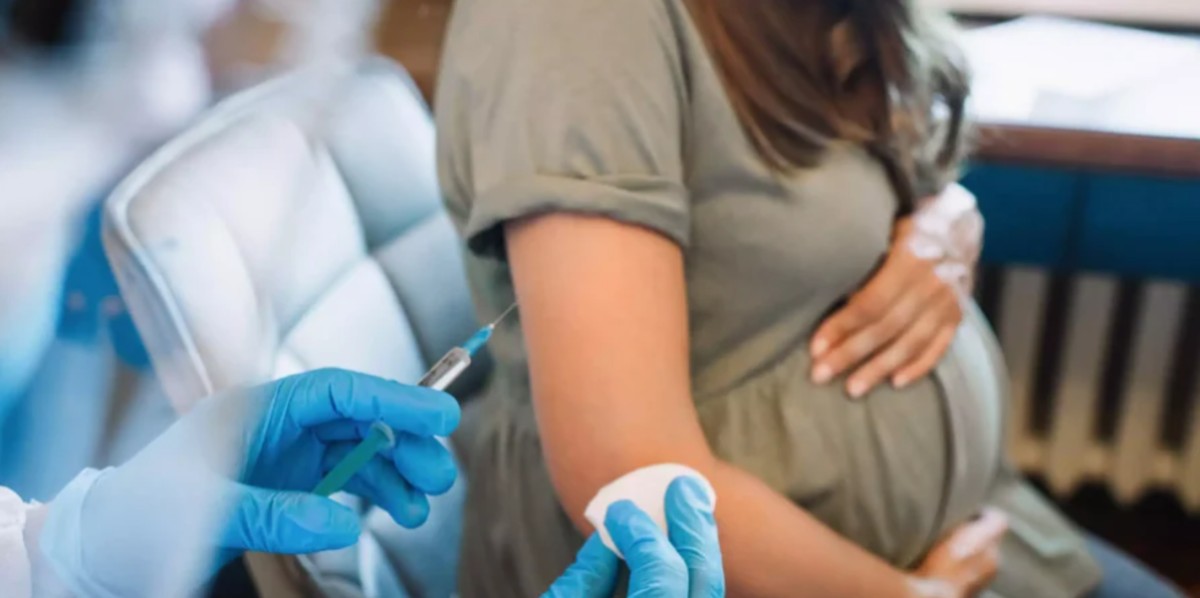
Belo Horizonte, Brazil has experienced a significant 57% decrease in infant hospitalizations due to bronchiolitis. Comparing the first five months of 2025 to the same period in 2026, hospitalizations dropped from 1,428 to 613. The Municipal Health Secretariat attributes this positive trend directly to the city's free vaccination program for pregnant women against the Respiratory Syncytial Virus (RSV), which began in December. This vaccination strategy allows pregnant individuals to develop antibodies that are then transferred to their babies via the placenta, offering crucial protection during the vulnerable early months of life when RSV complications are most common. The vaccine is recommended for pregnant women starting at the 28th week of gestation, regardless of age, and is administered as a single dose, with a recommendation for re-vaccination in subsequent pregnancies. Approximately 15,000 pregnant women have been vaccinated in Belo Horizonte since the campaign's inception. In addition to the maternal vaccination, Belo Horizonte also offers the monoclonal antibody nirsevimab, introduced in January 2026, to specific high-risk infant populations. This includes premature babies up to six months old (born at or before 36 weeks and six days gestation) and children under two years with specific chronic health conditions such as congenital heart disease, chronic lung disease, severe immunodeficiency, cystic fibrosis, neuromuscular disorders, airway anomalies, and Down syndrome. To date, 3,083 doses of nirsevimab have been administered, and no RSV-related infant deaths have been reported in 2026. Eligible newborns in the capital's maternity wards can receive this immunization before hospital discharge.
The significant reduction in infant hospitalizations for bronchiolitis in Belo Horizonte, linked to a targeted maternal vaccination program against RSV, highlights the public health impact of proactive immunization strategies. This approach shifts focus from treating severe illness to preventing it, aligning with principles of efficient healthcare resource allocation. The program's success demonstrates how investing in maternal health can yield direct, measurable benefits for newborns, particularly during their most vulnerable periods. The complementary provision of nirsevimab for specific high-risk infant groups further illustrates a multi-pronged public health defense against respiratory pathogens. Looking ahead, such integrated strategies, leveraging both vaccine-induced maternal immunity and direct infant antibody administration, represent a forward-thinking model for mitigating the burden of infectious diseases in pediatric populations, potentially setting a precedent for broader adoption in managing seasonal respiratory illnesses.
AI-generated to prompt reflection — not editorial opinion, not advice, not a statement of fact. How this works.