Belo Horizonte Street Renamed in Honor of Henry Borel
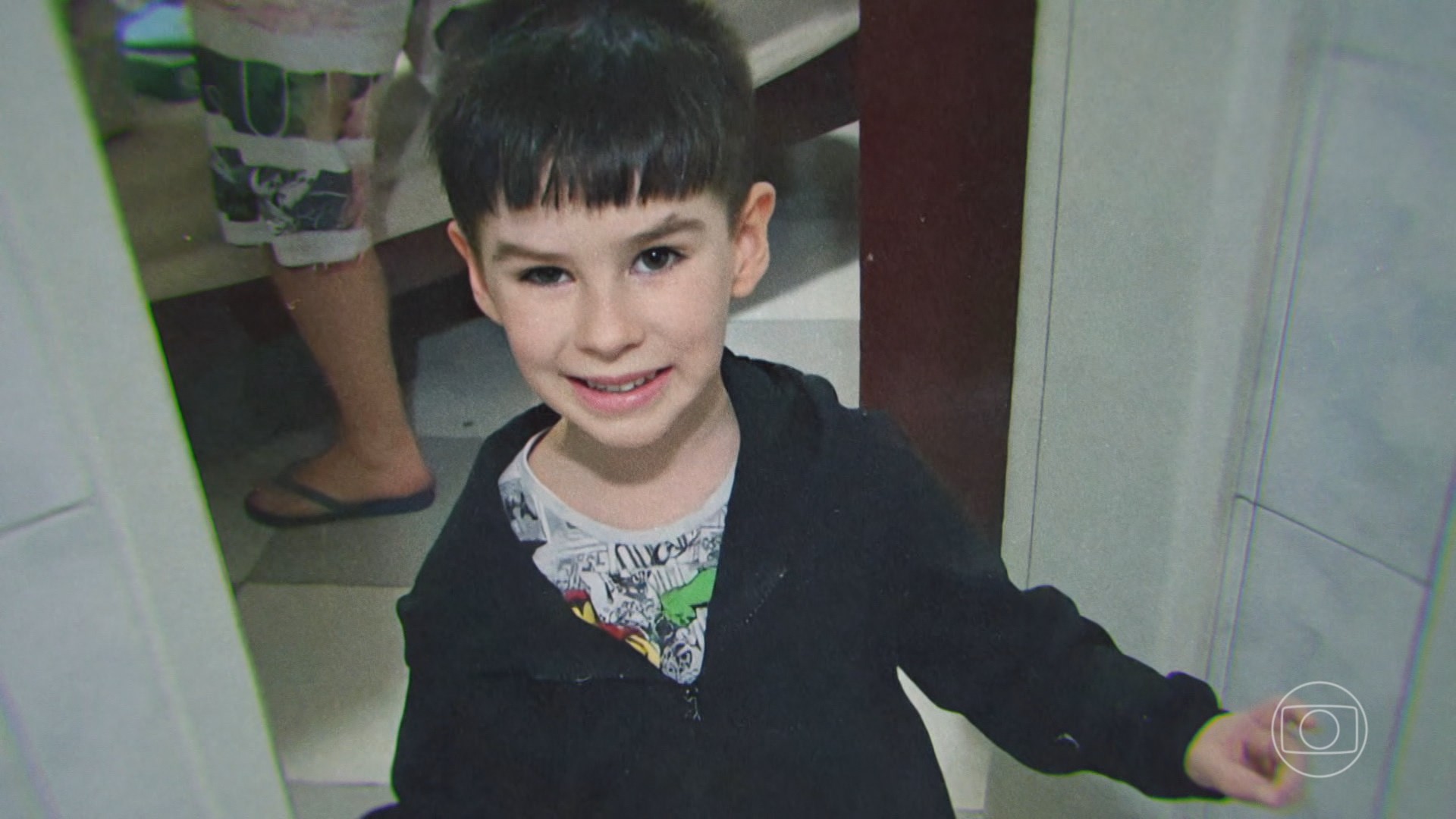
A street in the Rio Branco neighborhood of Belo Horizonte, Brazil, has been officially renamed Henry Borel Street. This posthumous honor is for Henry Borel, a four-year-old boy who tragically died in 2021. His death occurred after he was allegedly assaulted by his stepfather, former councilman Jairinho, in Rio de Janeiro. The renaming was sanctioned by Mayor Álvaro Damião and published in the Municipal Official Gazette, with the change taking effect immediately. The initiative was proposed by councilman Neném da Farmácia, who described it as a "symbolic tribute" aimed at reaffirming societal values like human dignity, care, and collective responsibility. He further stated that the renaming would help keep the memory of Henry's case alive and promote ongoing public awareness regarding the defense of children's rights, in line with Brazil's Statute of the Child and Adolescent. Henry Borel died on March 8, 2021, after being left with his mother and stepfather. His parents brought him to the hospital hours later, claiming he had fallen. However, a post-mortem examination revealed internal bleeding and liver laceration caused by blunt force trauma, indicating violent action. Police investigations concluded that Henry died from his stepfather's assaults, with his mother also implicated for omission. Jairinho was subsequently sentenced to over 43 years in prison for torture and murder, while Monique Medeiros received a judicial pardon for the lesser charge of manslaughter. Jairinho has been in prison since his arrest in April 2021, while Monique's legal situation has involved periods of release and re-incarceration.
The renaming of a street in Belo Horizonte to honor Henry Borel serves as a symbolic act intended to foster public awareness and reinforce the importance of child protection. This civic gesture highlights the enduring societal impact of child abuse cases and the collective responsibility to safeguard vulnerable youth. From a governance perspective, such initiatives can be seen as mechanisms for community remembrance and education, aiming to prevent future tragedies by keeping critical issues in public discourse. The long-term effectiveness of these symbolic actions in driving systemic change depends on their integration with robust legal frameworks, educational programs, and responsive social services designed to protect children. The case itself underscores the complexities of the justice system, including sentencing disparities and the application of judicial pardons, prompting reflection on how legal outcomes align with societal expectations for accountability and deterrence in cases of severe child maltreatment.
AI-generated to prompt reflection — not editorial opinion, not advice, not a statement of fact. How this works.