Belo Horizonte to Equip 100 Bus Stops with 24/7 Video Support for Passenger Safety
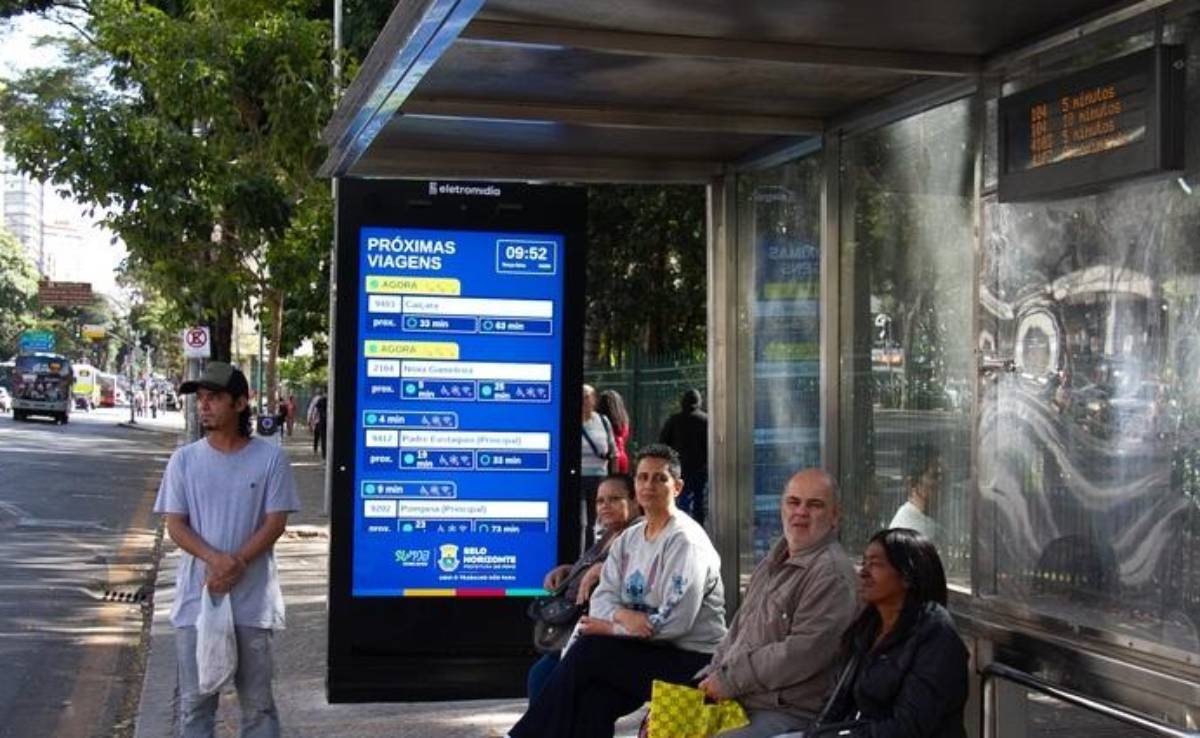
Belo Horizonte will install 100 bus stops equipped with video support and emergency buttons, operational nightly from 8 PM to 5 AM. This initiative, named Abrigo Amigo Claro, aims to enhance passenger safety during nighttime waits for public transport, with a particular focus on supporting women. The project is a collaboration between Claro, Eletromidia, and the Belo Horizonte City Hall. The service will connect passengers via video call to female operators who can provide assistance and stay on the line during waiting periods, especially in vulnerable situations. These equipped shelters will be gradually rolled out throughout August across various city regions, including major avenues like Afonso Pena, Amazonas, and Augusto de Lima. The selection of locations will consider technical criteria and existing conditions, with a full list of addresses to be released later. Accessibility features are integrated, including Braille identification on the call button, placement at 1.20 meters for wheelchair users, and planned Libras (Brazilian Sign Language) communication support. The system also includes a "Próxima Parada" feature to track real-time bus arrival information. Belo Horizonte becomes the tenth Brazilian city to implement this project, with deployment contingent on weather and site preparation.
The implementation of video support at public bus stops addresses a critical public safety concern, particularly for vulnerable populations during nighttime hours. By leveraging technology, the initiative seeks to mitigate risks associated with waiting for public transport. This approach shifts the paradigm from passive waiting to an actively monitored and supported experience. The project's success will likely hinge on the reliability of the technology, the responsiveness of the remote operators, and the integration with broader municipal safety strategies. Future considerations could involve analyzing the long-term impact on crime statistics in these areas and exploring the scalability of such solutions to other public transit infrastructure, potentially incorporating AI-driven threat detection to further augment human oversight.
AI-generated to prompt reflection — not editorial opinion, not advice, not a statement of fact. How this works.
